Alta Langa Itinerary: Discover the Hidden Villages Beyond Barolo
This route connects you to Piedmont's rural past.

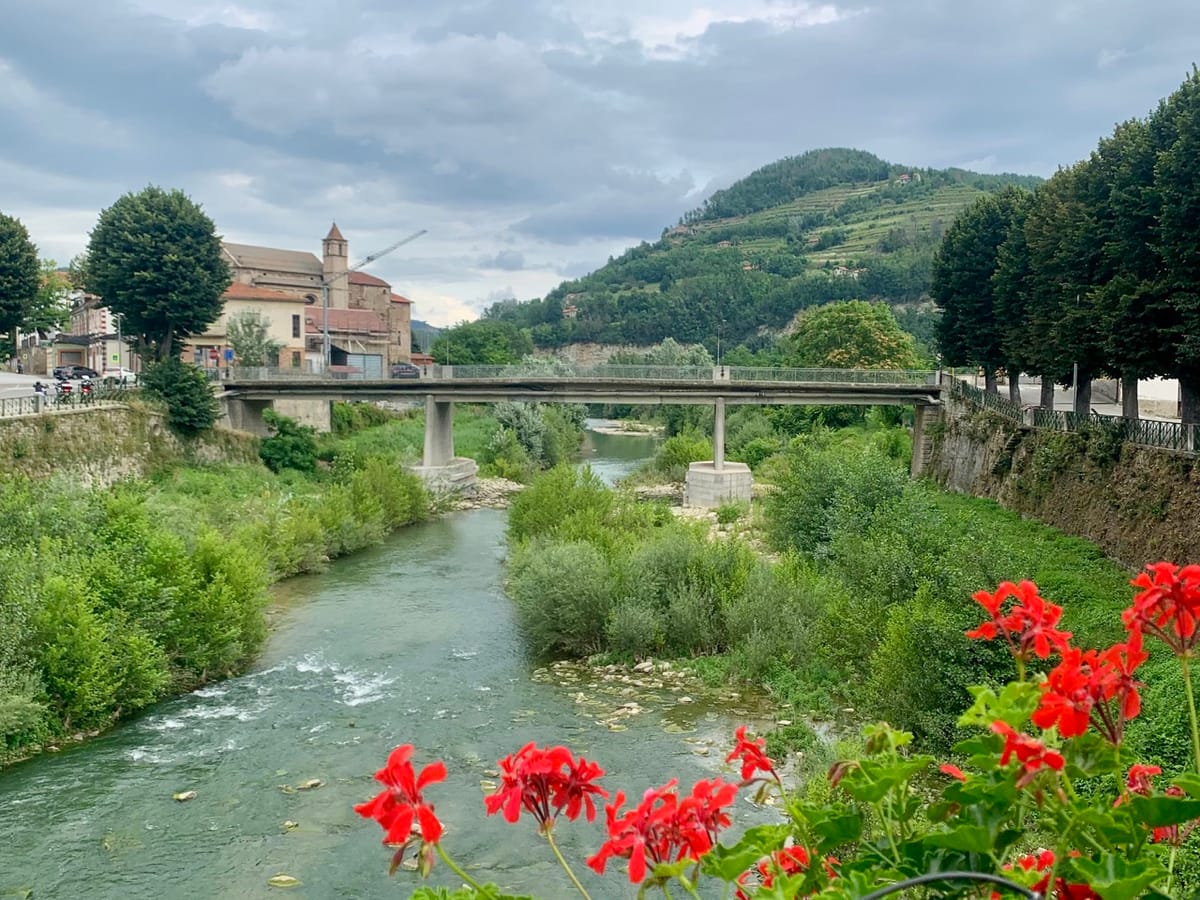
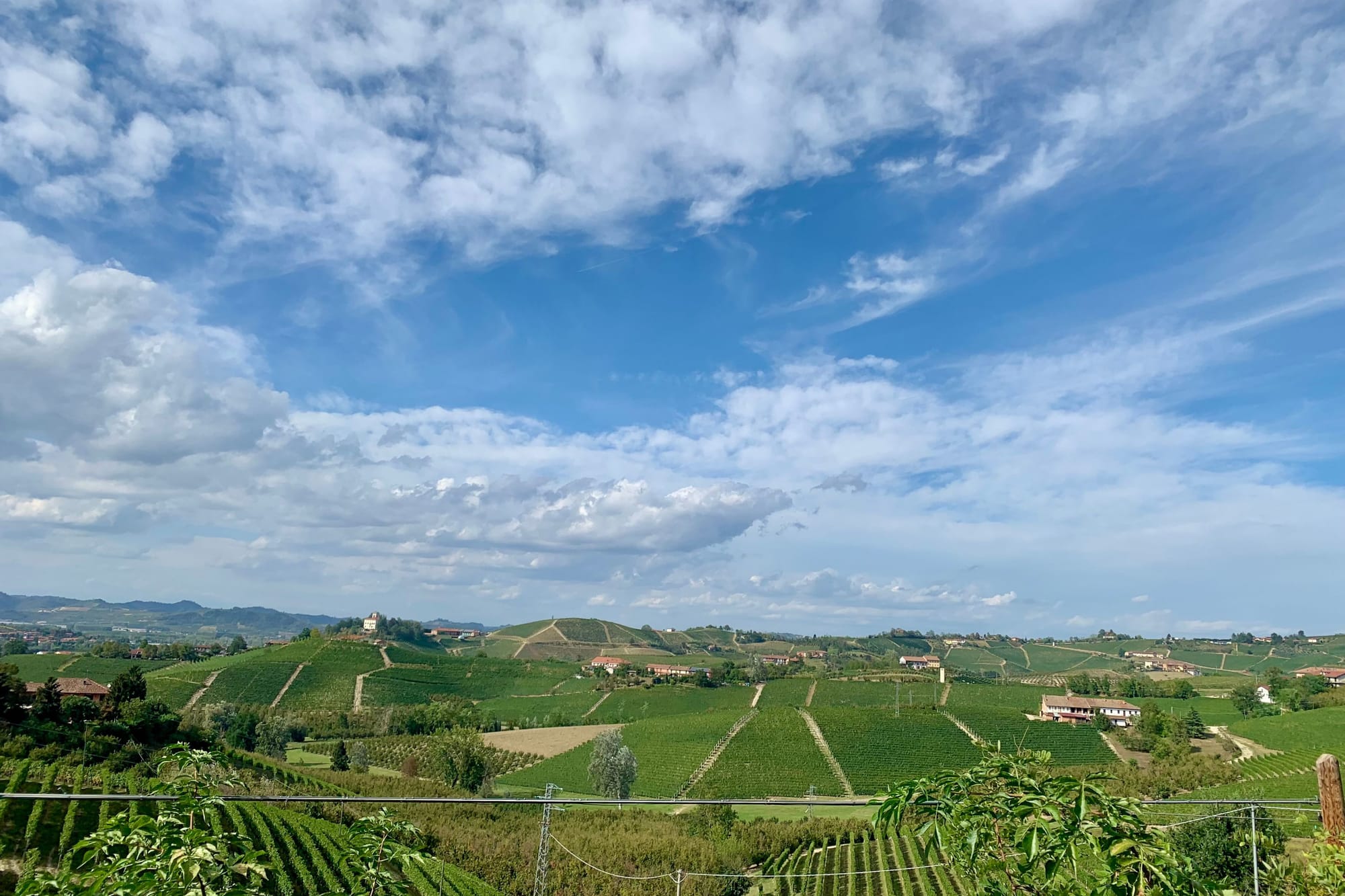
The Bormida Valley in Alta Langa—with its wooded hills, farmland, and charming stone villages—feels a world away from the busy Barolo hills.
Home of Piedmont’s prized Tonda Gentile hazelnuts and Roccaverano cheese, life in these villages hints at rural Piemonte’s recent past, providing a glimpse beyond the glitz of Alba and the Langhe.
The following itinerary takes you through some of my favourite Alta Langa villages. You can drive or e-bike this itinerary in a day, or spread it over a few days to explore each village at a leisurely pace.
The route works in all seasons (although it can be affected by snow and ice in winter) and can also be done in reverse.
How many days do you need in Piedmont? Whether you have two days or two weeks, get itineraries that fit every schedule.
 Victoria Peel-Yates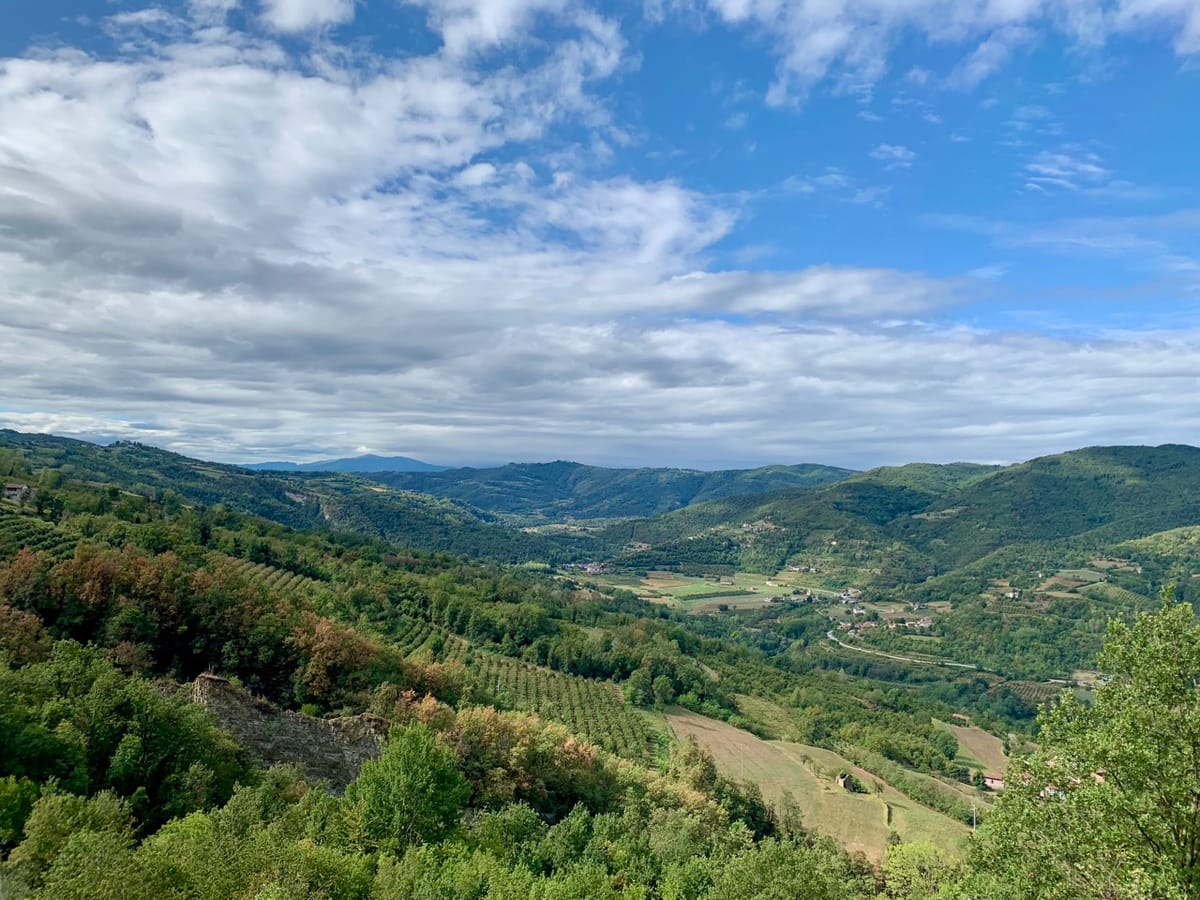
Cortemilia
Start your day in Cortemilia, a sleepy-but-lived-in town in the Bormida Valley. While it’s famous for Nocciola Piemonte IGP, Cortemilia offers much more than hazelnuts—its weekly market, small artisan shops, and friendly cafés draw locals from all over the hills and give it a lively, everyday charm.
As Piedmont’s hazelnut capital, the town is also known for torta di nocciole, served as an everyday treat rather than a special dessert. If you’re here in August, the Fiera Nazionale della Nocciola celebrates the harvest with tastings, craft stalls, and live music, offering a peek into local life.
Once you’ve explored the town and loaded up on hazelnut goodies, take the SP114 road heading south from the main piazza towards Bergolo.
Don’t miss: A torta di nocciole from La Corte di Canobbio, a historic family pasticceria run by three sisters, and a wander along the town's riverside paths.
Visiting during hazelnut season? Here’s how to plan around Piedmont’s most popular food festivals.
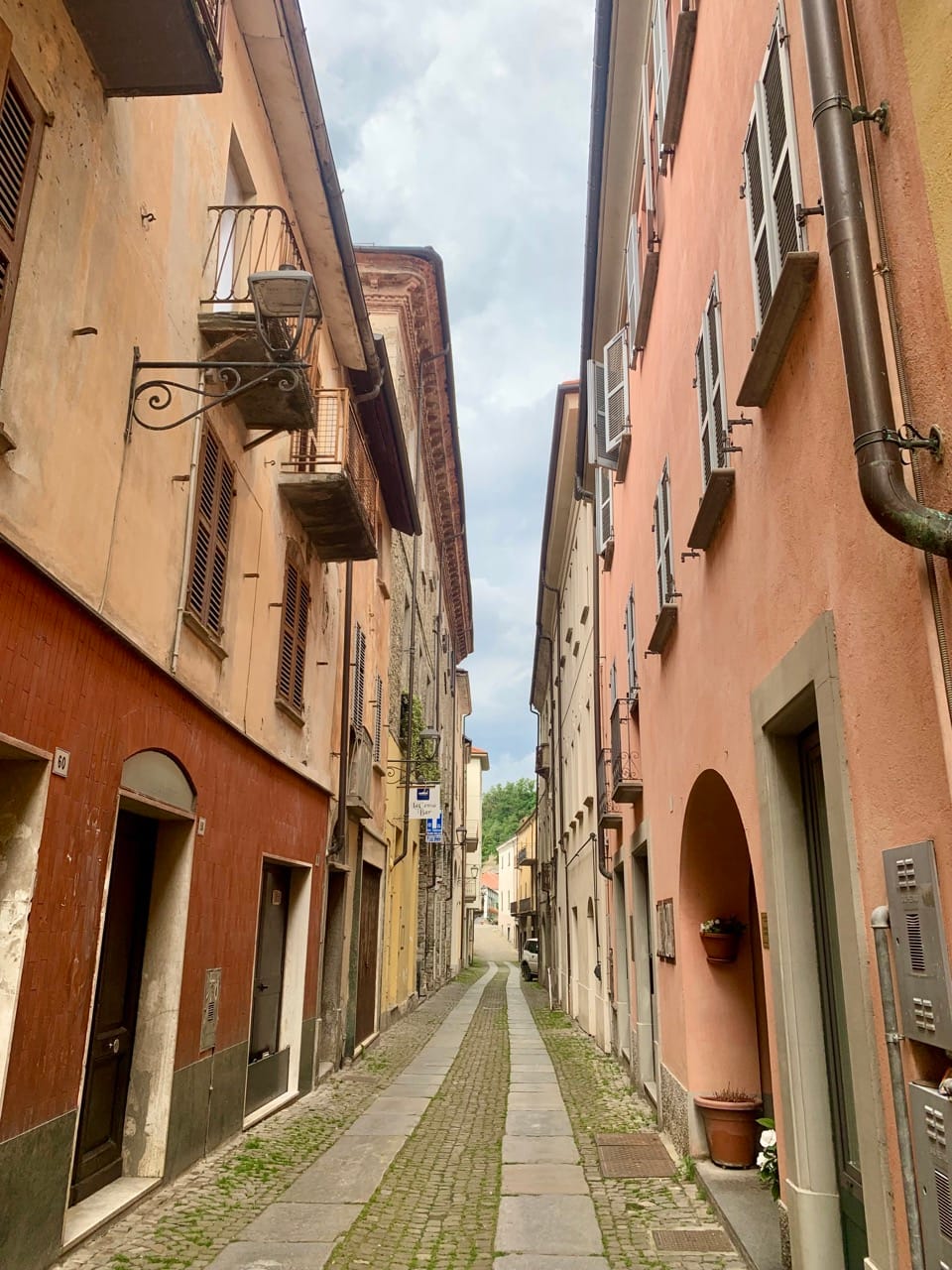
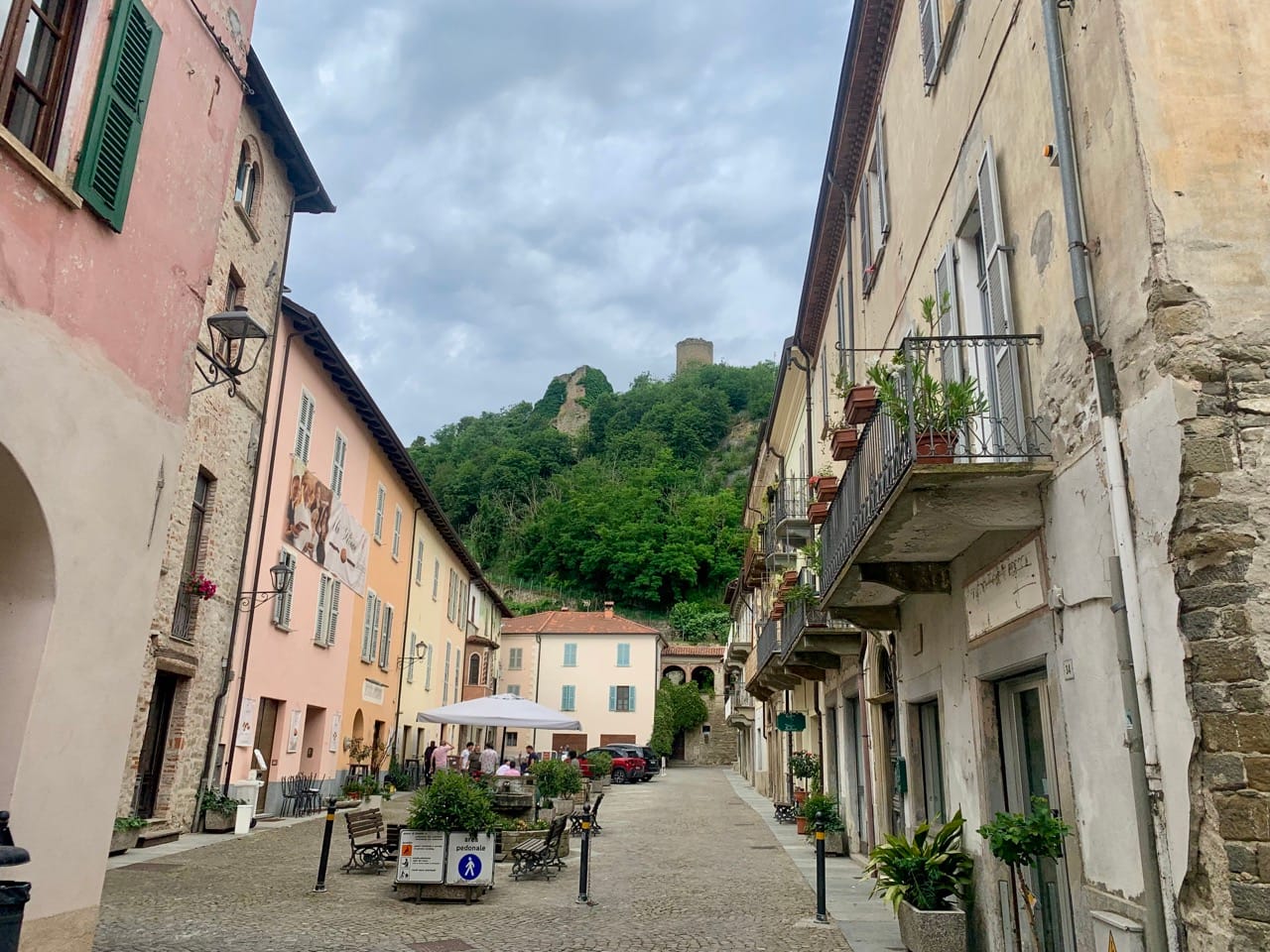
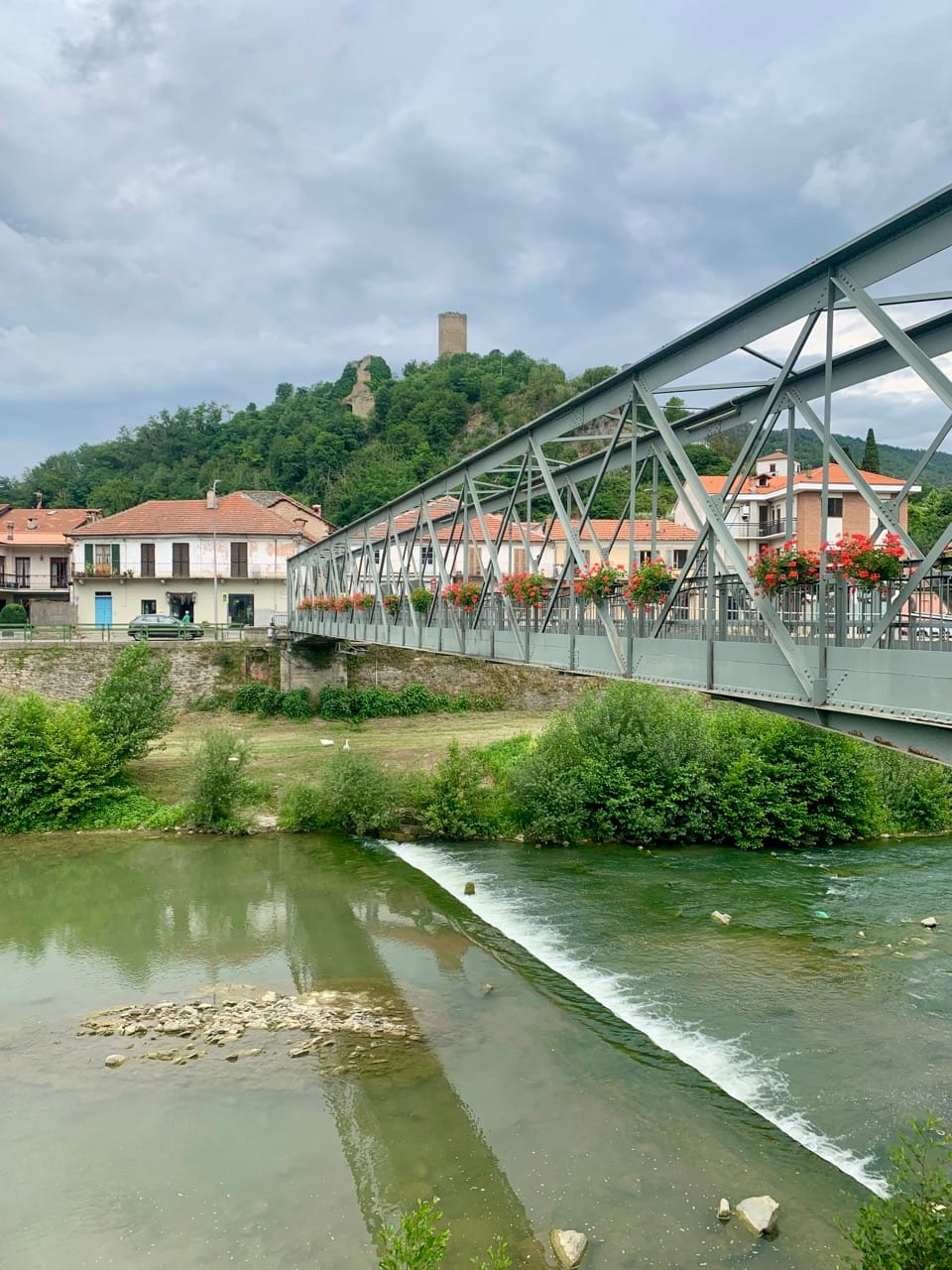
Cortemilia. Photos by Secret Piemonte
Bergolo
Perched atop a hill, Bergolo is often called the “village of stone” (paese di pietra), and wandering its cobbled streets, it’s easy to see why. The lovingly restored buildings, walls, and arches honour centuries of local craftsmanship, and the meticulously-kept houses and community of village cats give Bergolo a lived-in feel.
The town’s stone amphitheatre still hosts concerts and cultural events in the summer, and a small Romanesque chapel reminds visitors of Bergolo’s importance to pilgrims on medieval religious routes.
Thanks to former mayor and local poet Romano Vola, Bergolo has positioned itself as a hub for culture, using contemporary art installations to breathe new life into the village and attract visitors. Sculptures, murals, and bas-reliefs appear along the streets and piazza, with displays changing over time.
After a wander and a coffee or a leisurely lunch, it’s time to hit the road and continue south to Levice along the SP212.
Don’t miss: The restored stone piazza and its open-air gallery, coffee at Parole Perdute, or lunch at Langhet.
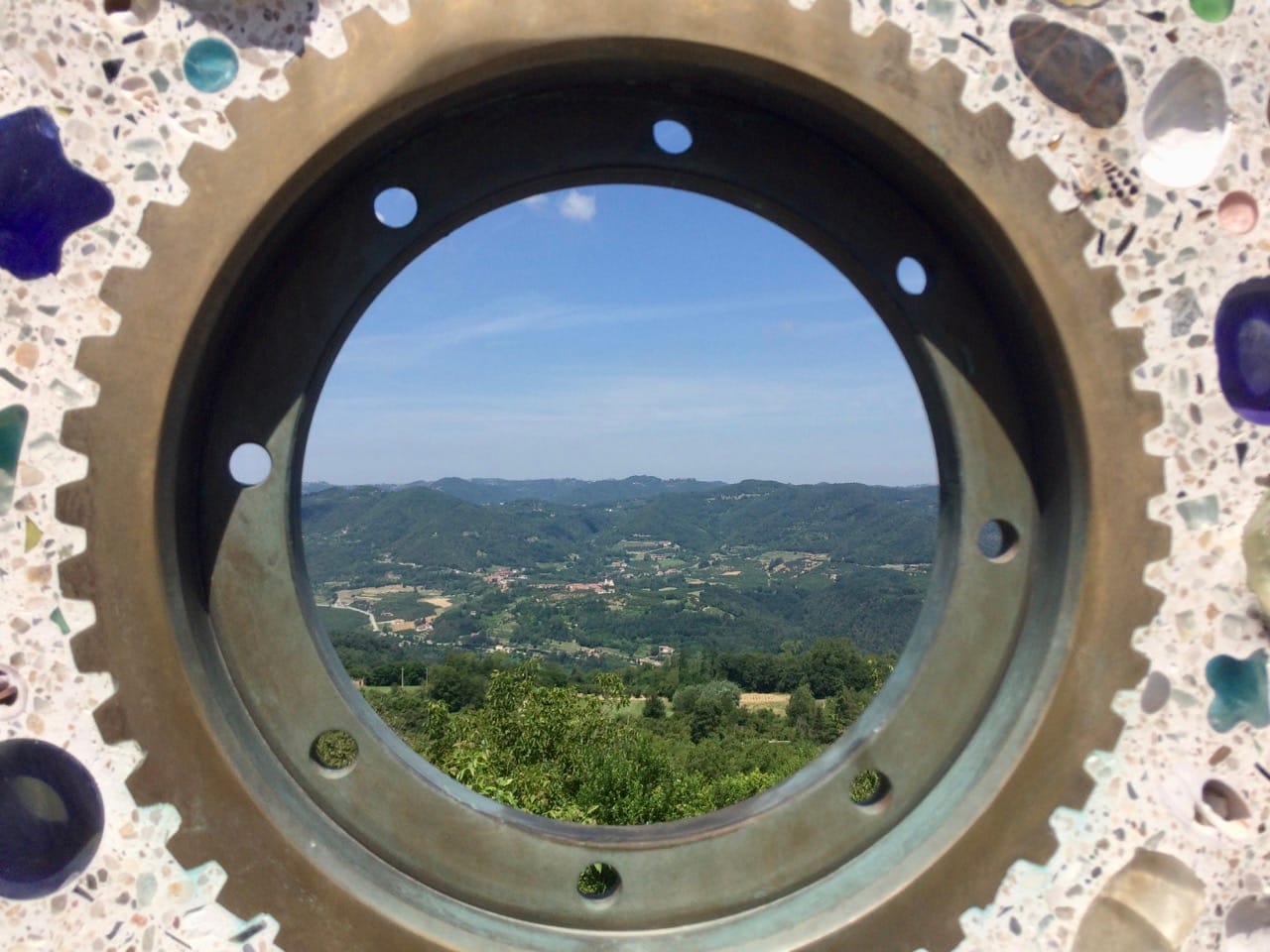
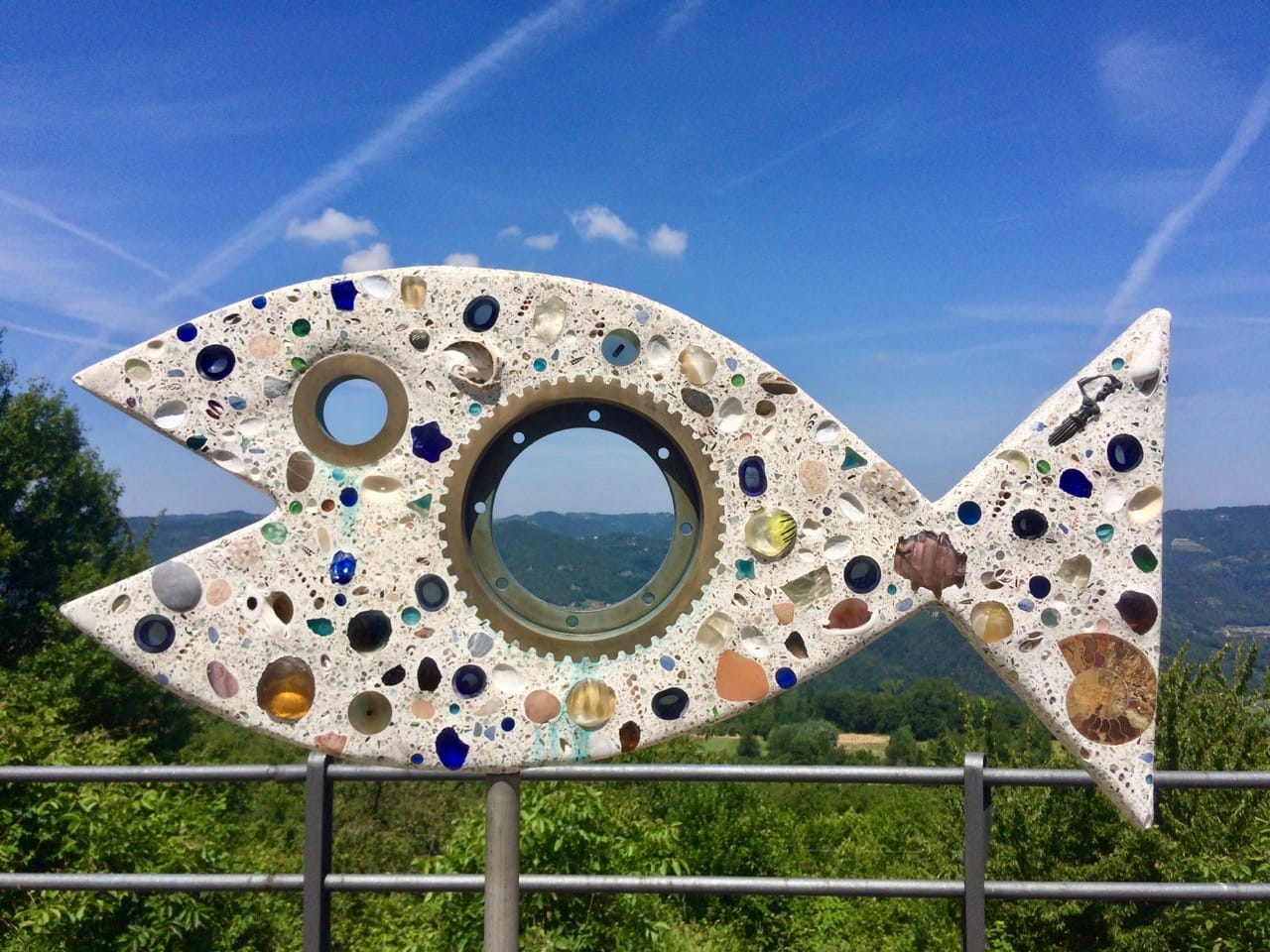
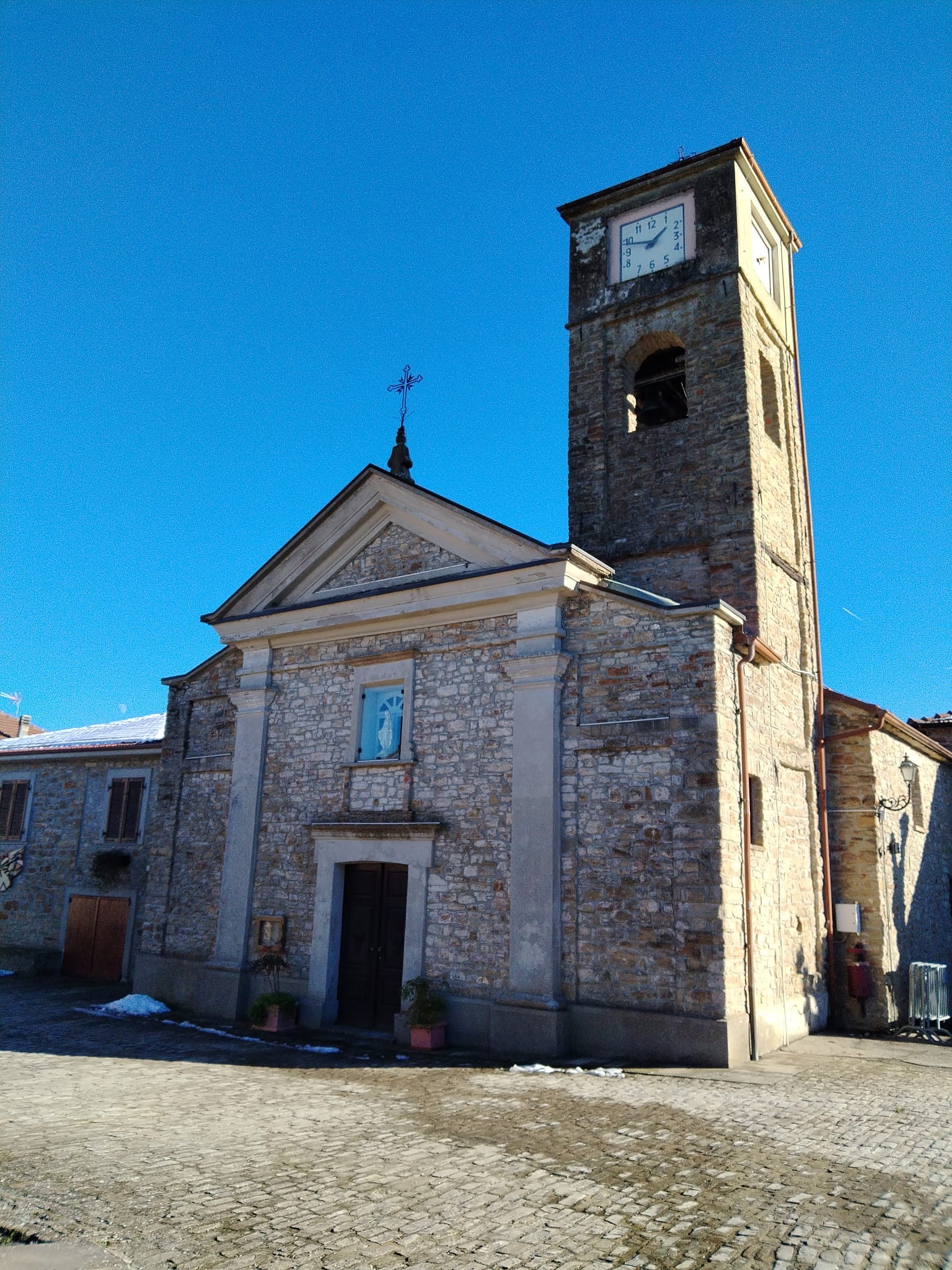
A sculpture showcasing Bergolo's views of Alta Langa and referencing the old Salt Roads that passed through here; Bergolo church. Photos by Secret Piemonte
Levice
Clinging to a steep hillside, Levice could also be called the “hanging village of Alta Langa”, although its vertical layout reflects medieval defensive planning rather than aesthetics.
Leis, as it’s called in Piedmontese, was a favourite hang-out of post-war Piedmontese writer Beppe Fenoglio, who drew inspiration from the stark landscape. The village still feels suited to that kind of retreat: contemplative, and a little austere.
In one corner of the piazza, opposite the church, stands Palazzo Scarampi, a medieval house that reminds visitors of the area’s feudal past. From the hills above the village, views stretch across the high Alta Langa, and beyond that, the French Alps.
After your visit, take the SP53 down into the valley, then turn left onto the SP439 and continue until you reach Gorzegno.
Don’t miss: An aperitivo at Trinch e Branca, housed inside the medieval Palazzo Scarampi, where you can sit on the piazza and mingle with locals.
Deciding when to visit? Here’s a seasonal overview of Piedmont—including festivals, food highlights, and weather to plan around.
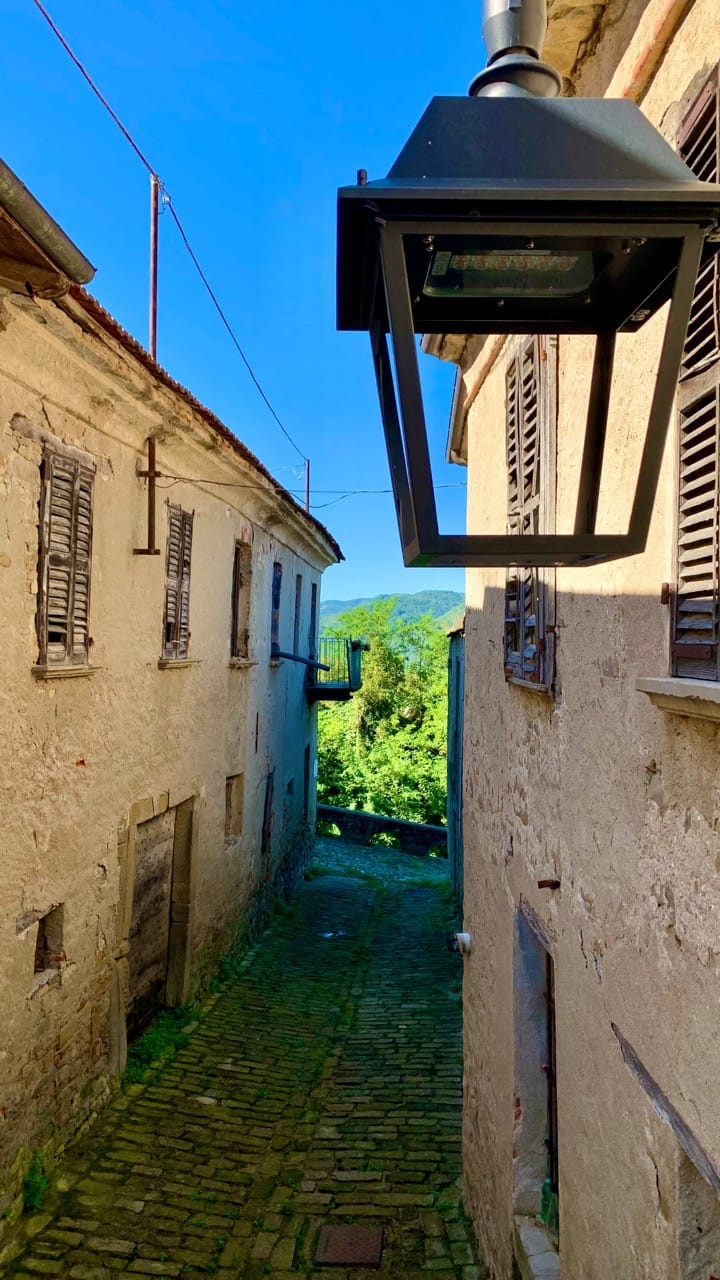
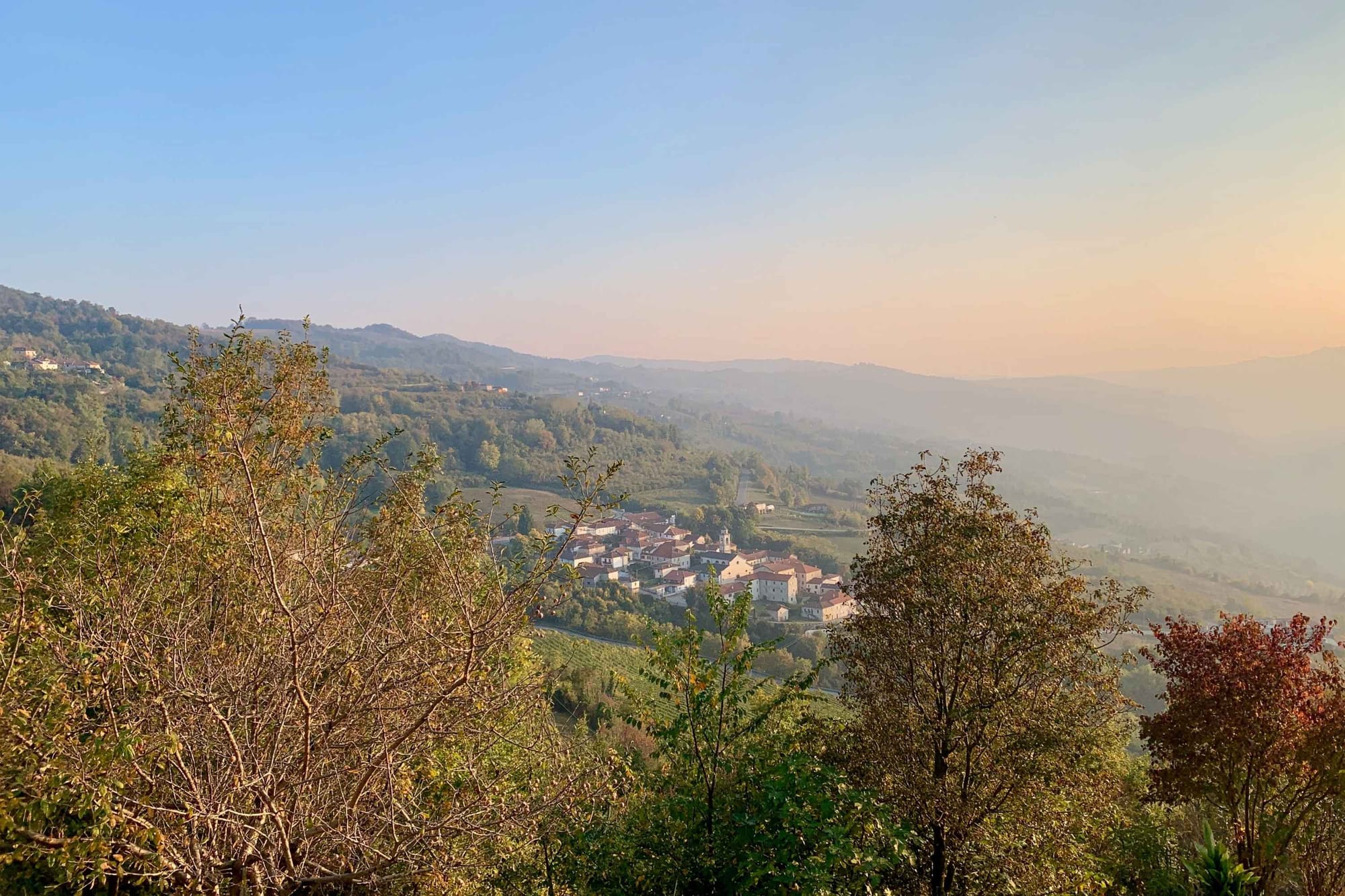
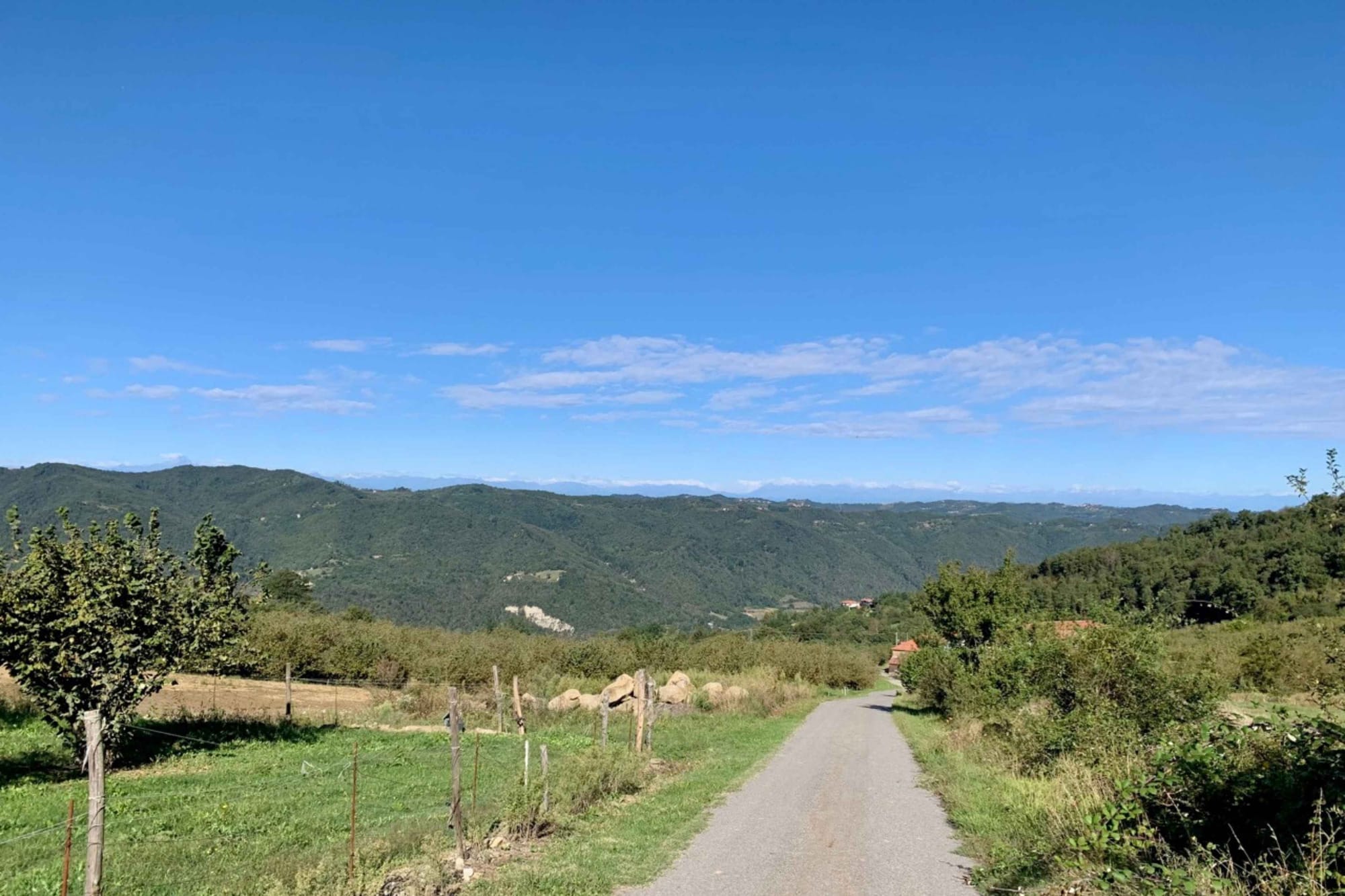
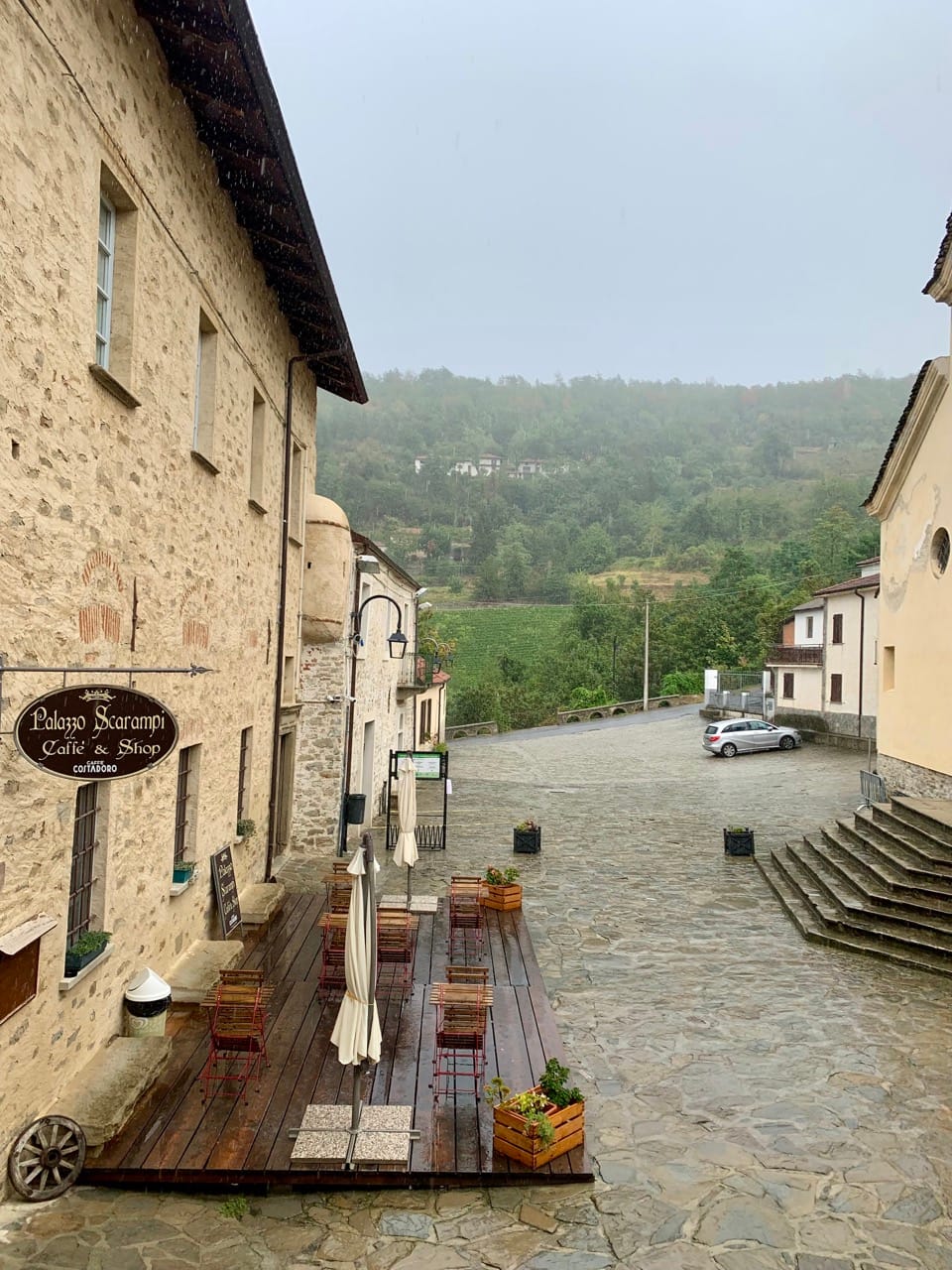
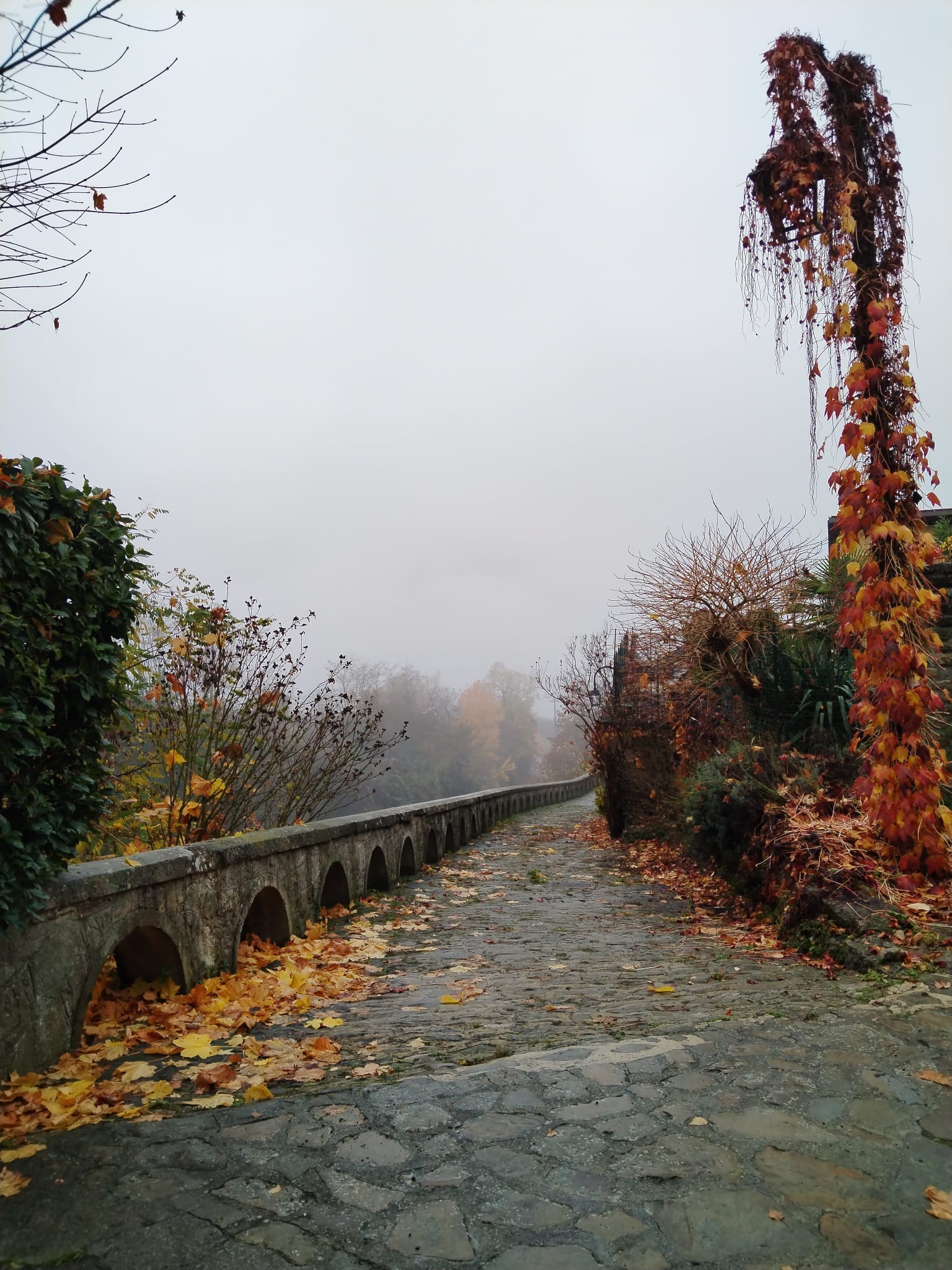
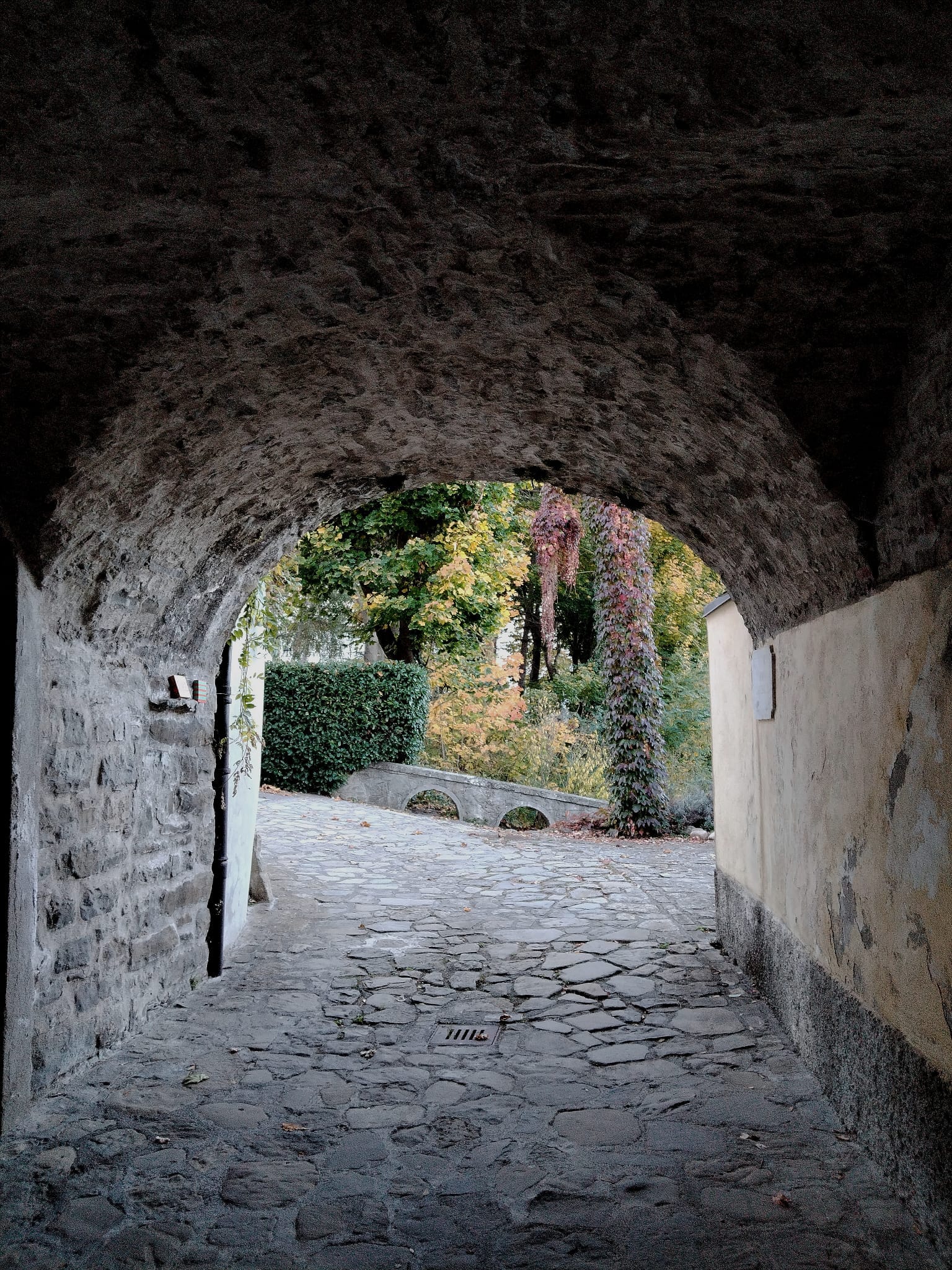
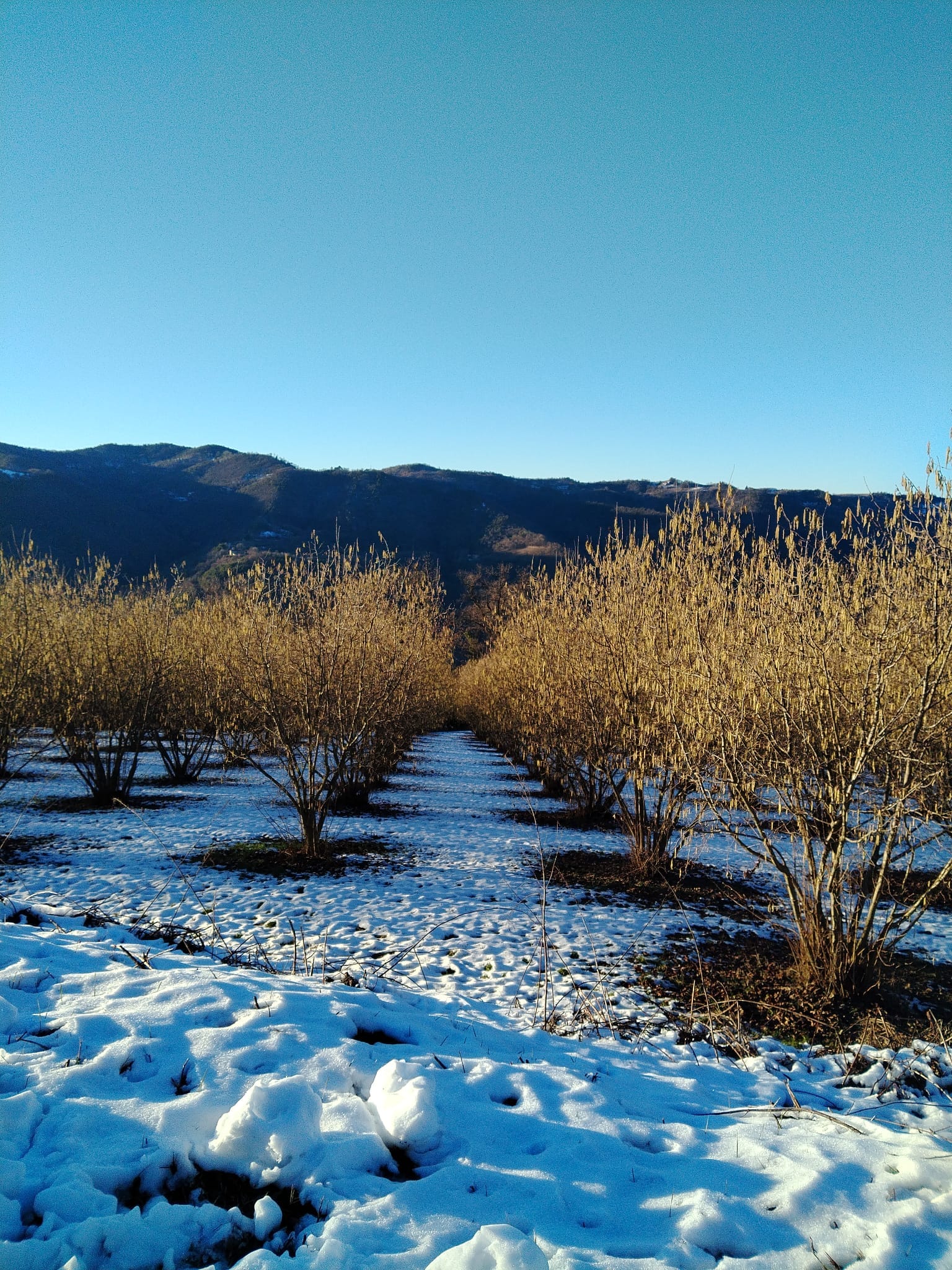
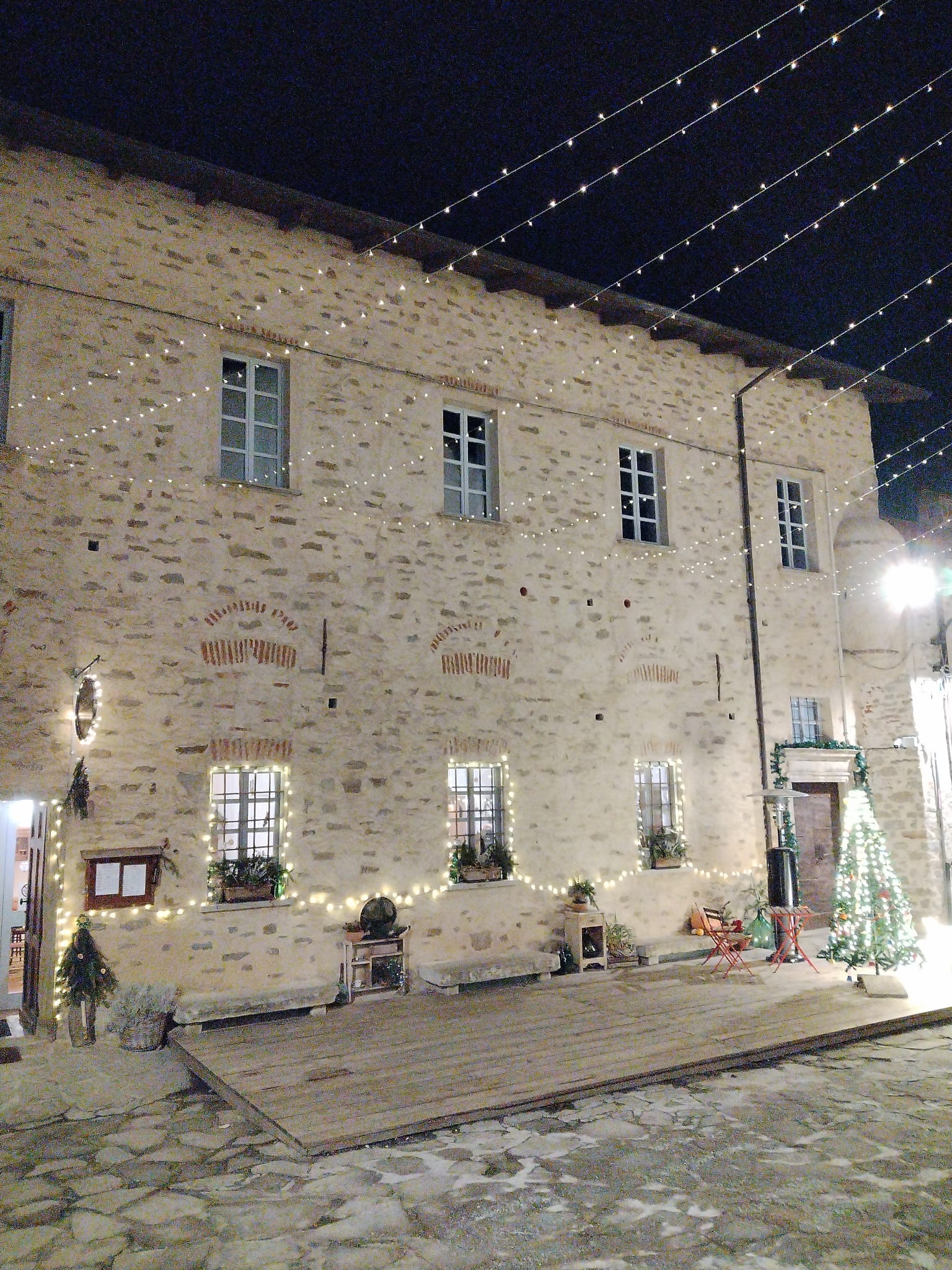
Levice, with its hidden corners, hazelnuts, and Alta Langa views. Photos by Secret Piemonte
Gorzegno
Down in the valley between Levice and Prunetto, Gorzegno was historically a point of passage rather than a defensive stronghold, and the village developed along the valley floor, with roads and routes shaping daily life.
The ruins of Gorzegno’s medieval castle continue to loom over the village, and the surrounding landscape is characterised by woods, agricultural land, and rugged hills rising on all sides.
Gorzegno’s everyday rhythm feels refreshingly local, and it’s the kind of place where Piedmontese life continues largely unchanged by tourism.
From here, retrace your steps to Levice and continue along the SP212 towards Prunetto for one of the best views in Alta Langa.
Don’t miss: Stone-baked pizzas at Bin Parei, just outside the village—popular with locals and well worth the detour.
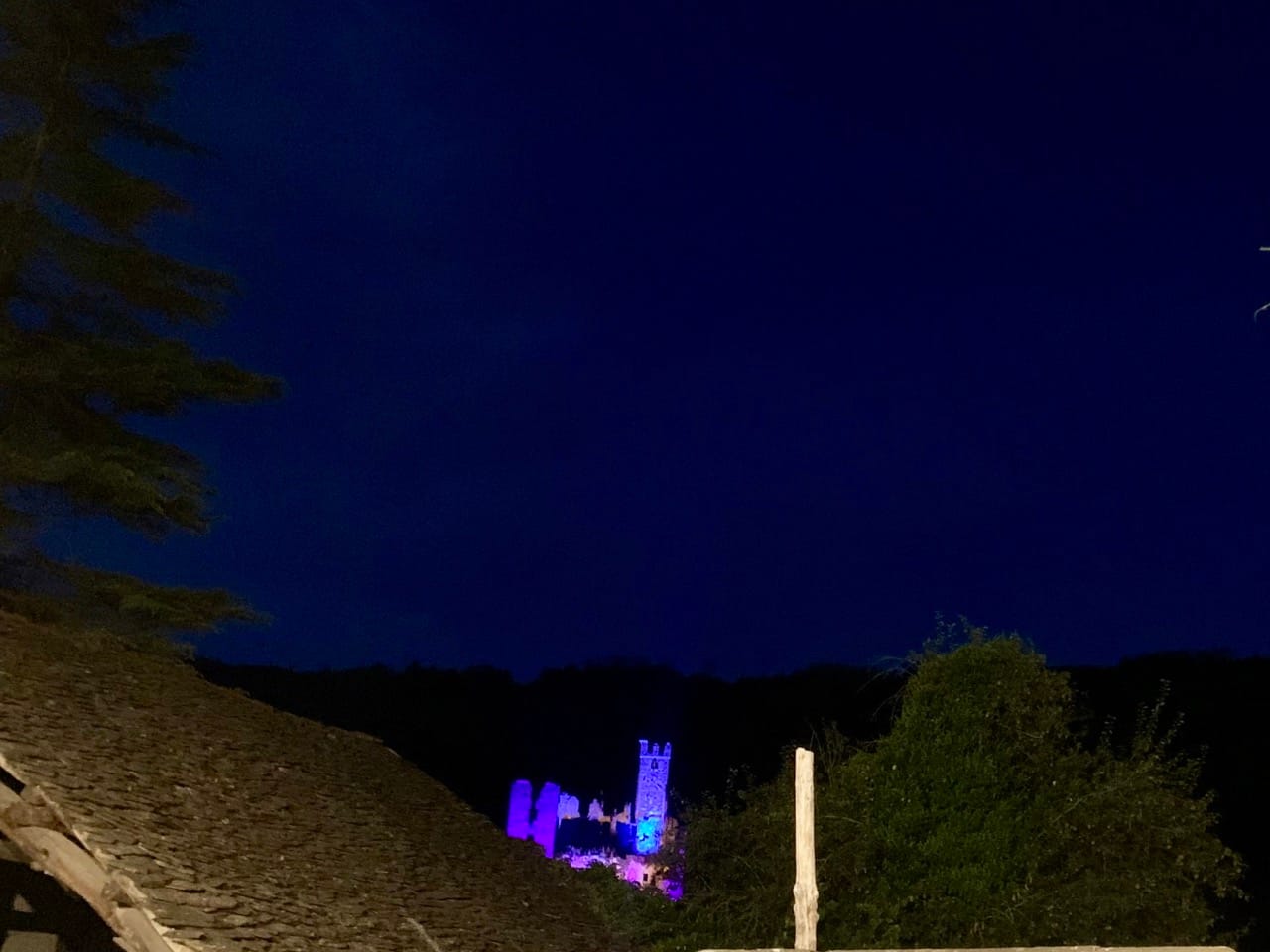
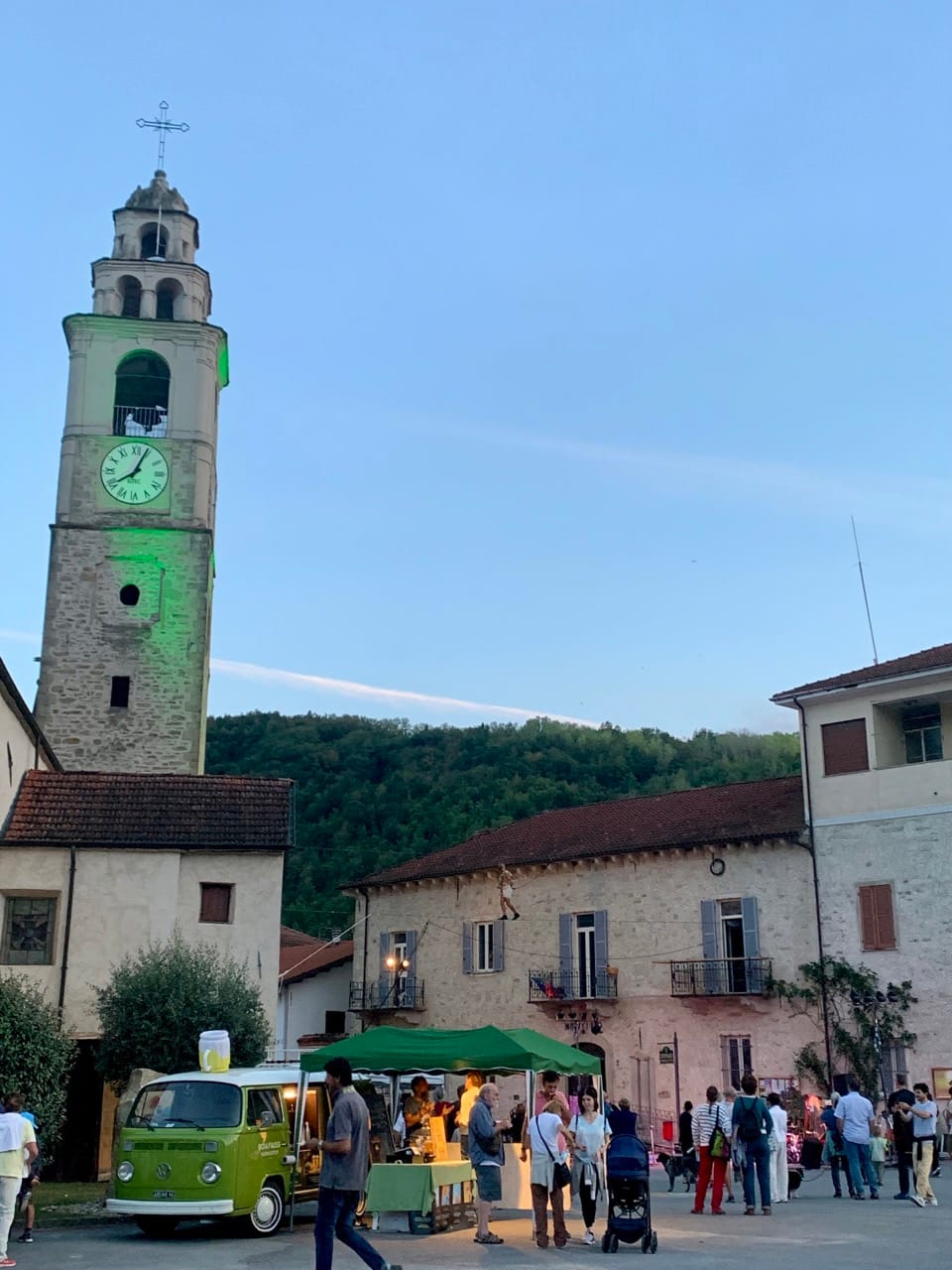
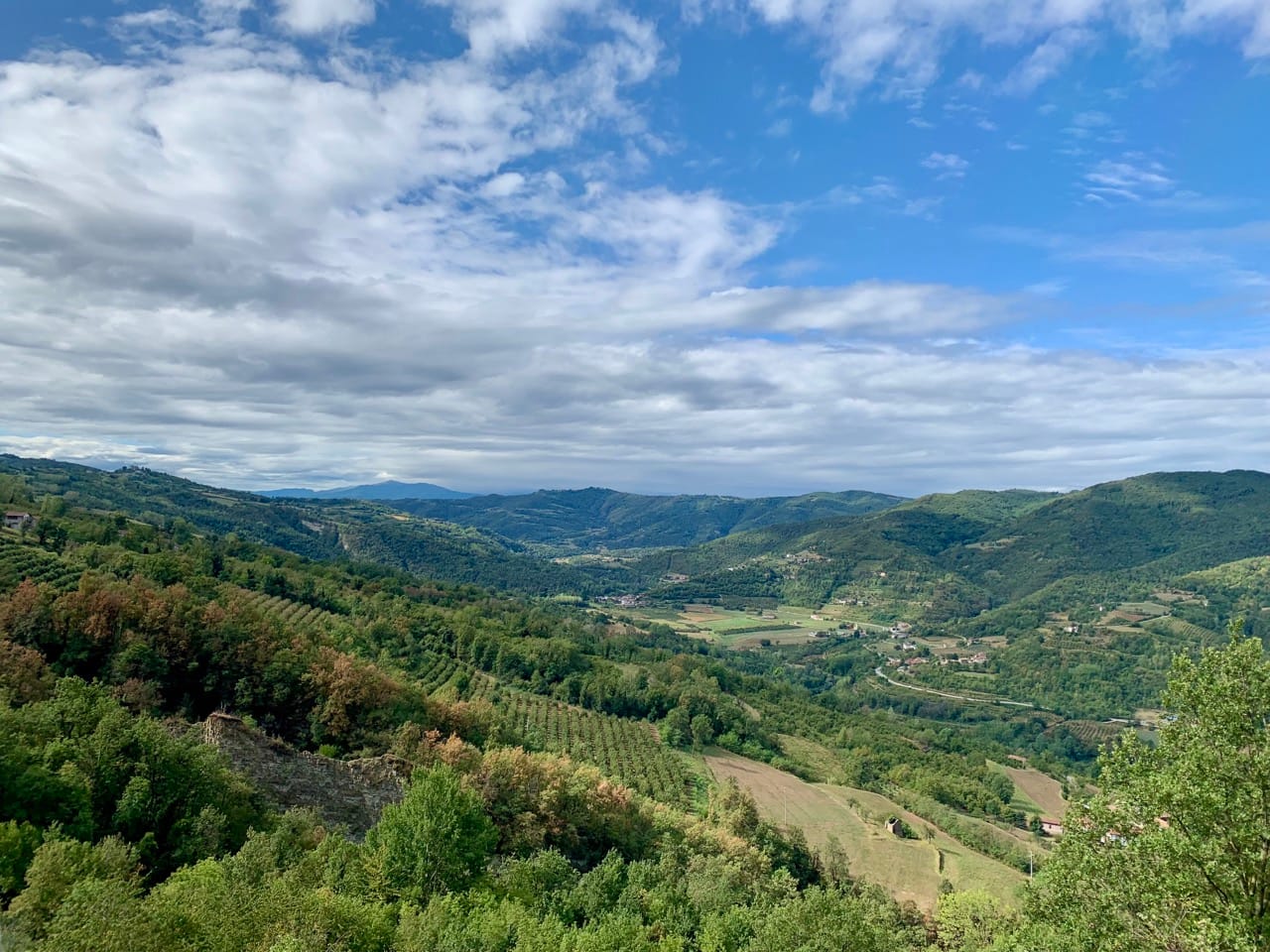
Gorzegno during a summer festival and as seen from the hills above Levice. Photos by Secret Piemonte
Prunetto
Prunetto’s medieval castle—one of the best preserved in the area—dominates the skyline, with the mountains clearly visible in the background as you approach from Levice.
The village itself is compact and almost theatrical in shape, with stone houses clustered tightly together, and it makes a convenient base for exploring Alta Langa and neighbouring Liguria at any time of year.
The castle is well worth a visit for both the panoramic views and a look inside—the main room is a double-height hall that was restored in the 19th century.
From Prunetto, drive down the hill along the SP53 and turn left onto the SP439 until you reach Monesiglio.
Don’t miss: A traditional Piedmontese lunch or dinner at Il Ristorante della Piazza.
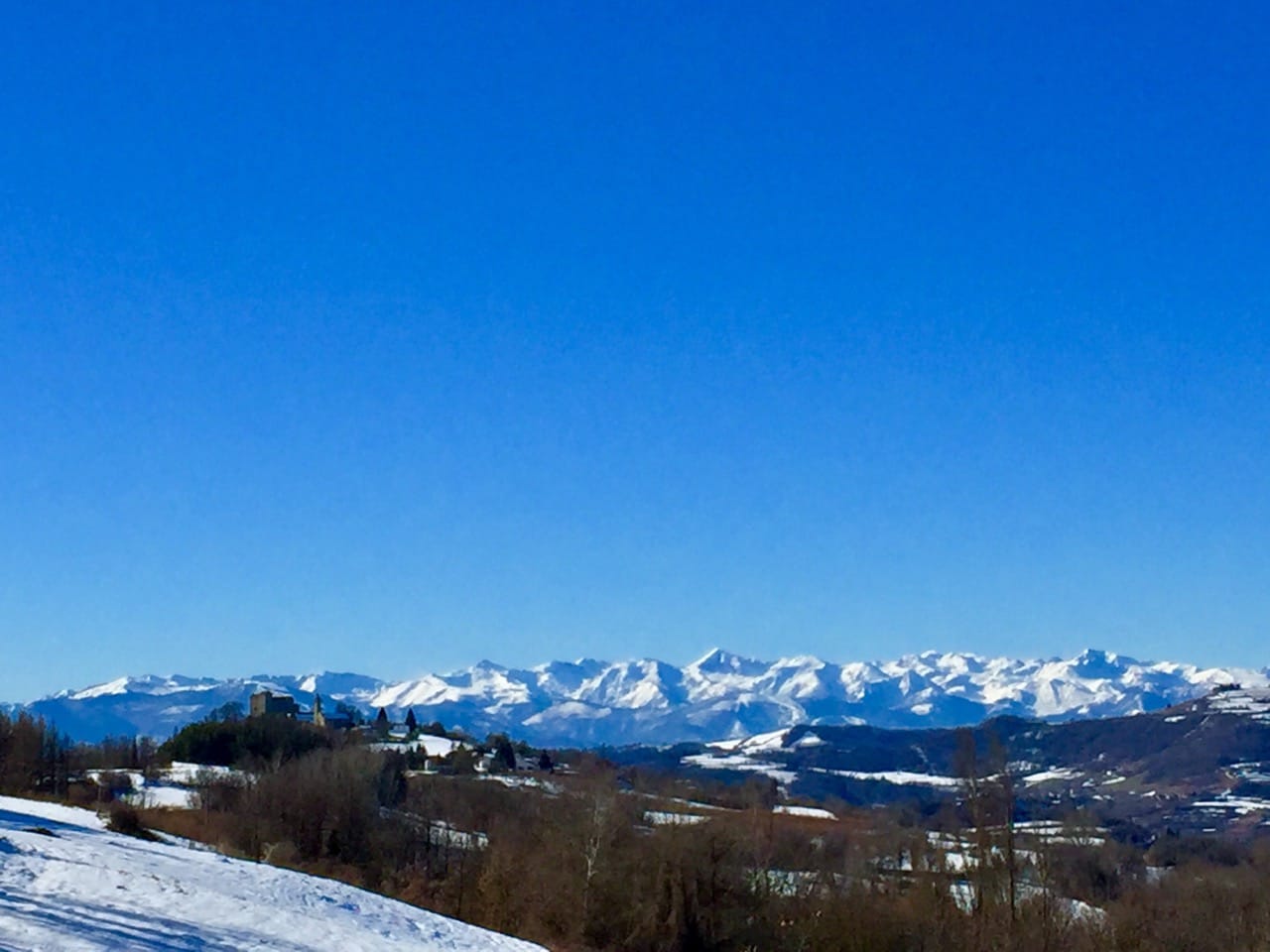
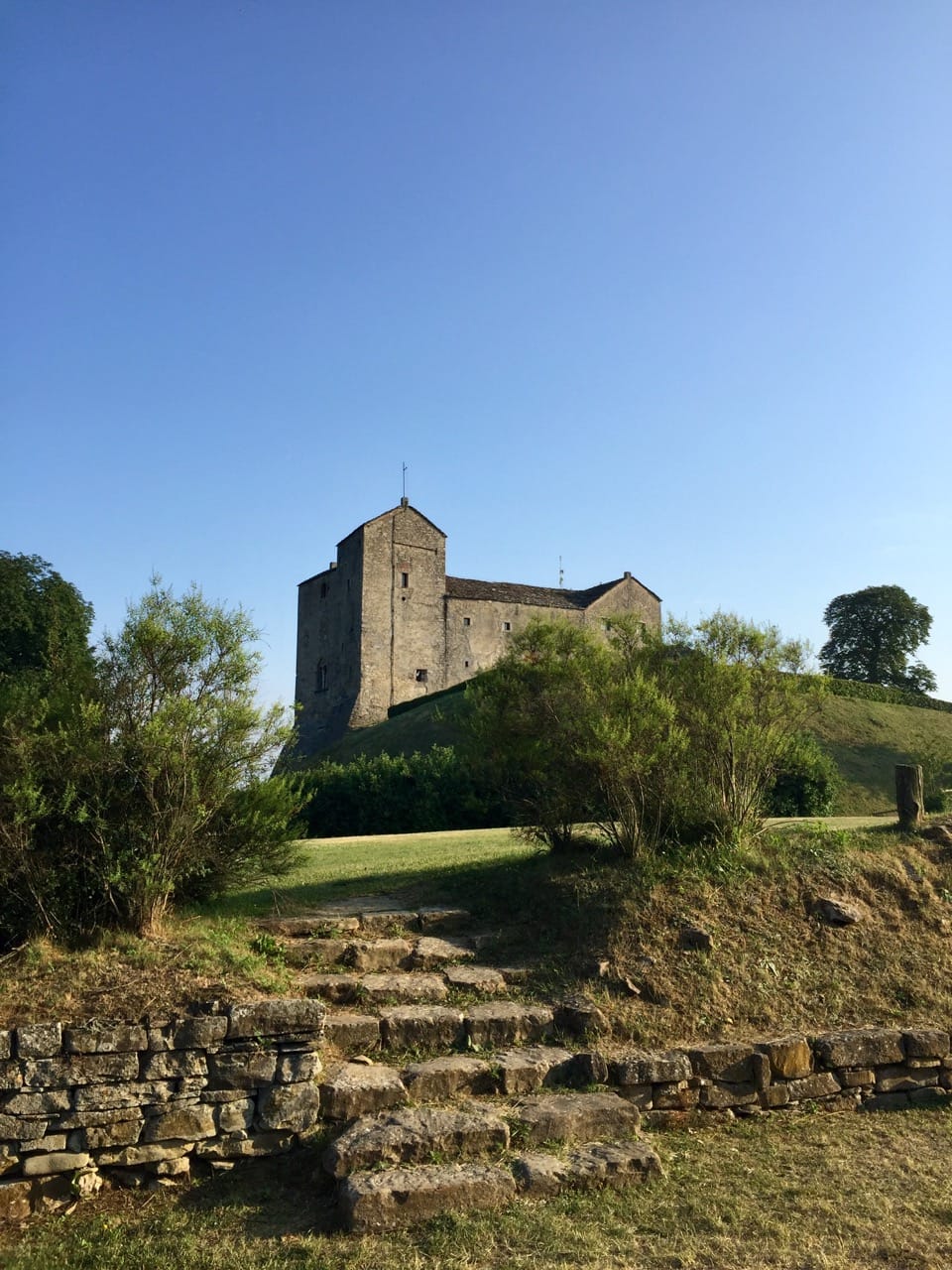
Prunetto castle viewed from the road to Levice during winter (left) and in the summer (right). Photos by Secret Piemonte
Monesiglio
Monesiglio—a small village with a large literary legacy—brings the itinerary to a reflective close.
As the birthplace of Maria Tarditi, a Piedmontese writer whose work explored rural life and women’s experiences in the 20th century, it’s the perfect place to get your head down and finally finish that novel.
The castle now houses cultural spaces, including the Maria Tarditi museum, which offers insight into everyday life in Alta Langa across the last century.
Every September, this quiet corner of Alta Langa comes alive for l’Antica Fiera di San Biagio, a festival celebrating bollito—a typical Piedmontese dish of boiled ox meat.
Don’t miss: The Maria Tarditi museum, and a stroll around the castle and village streets.
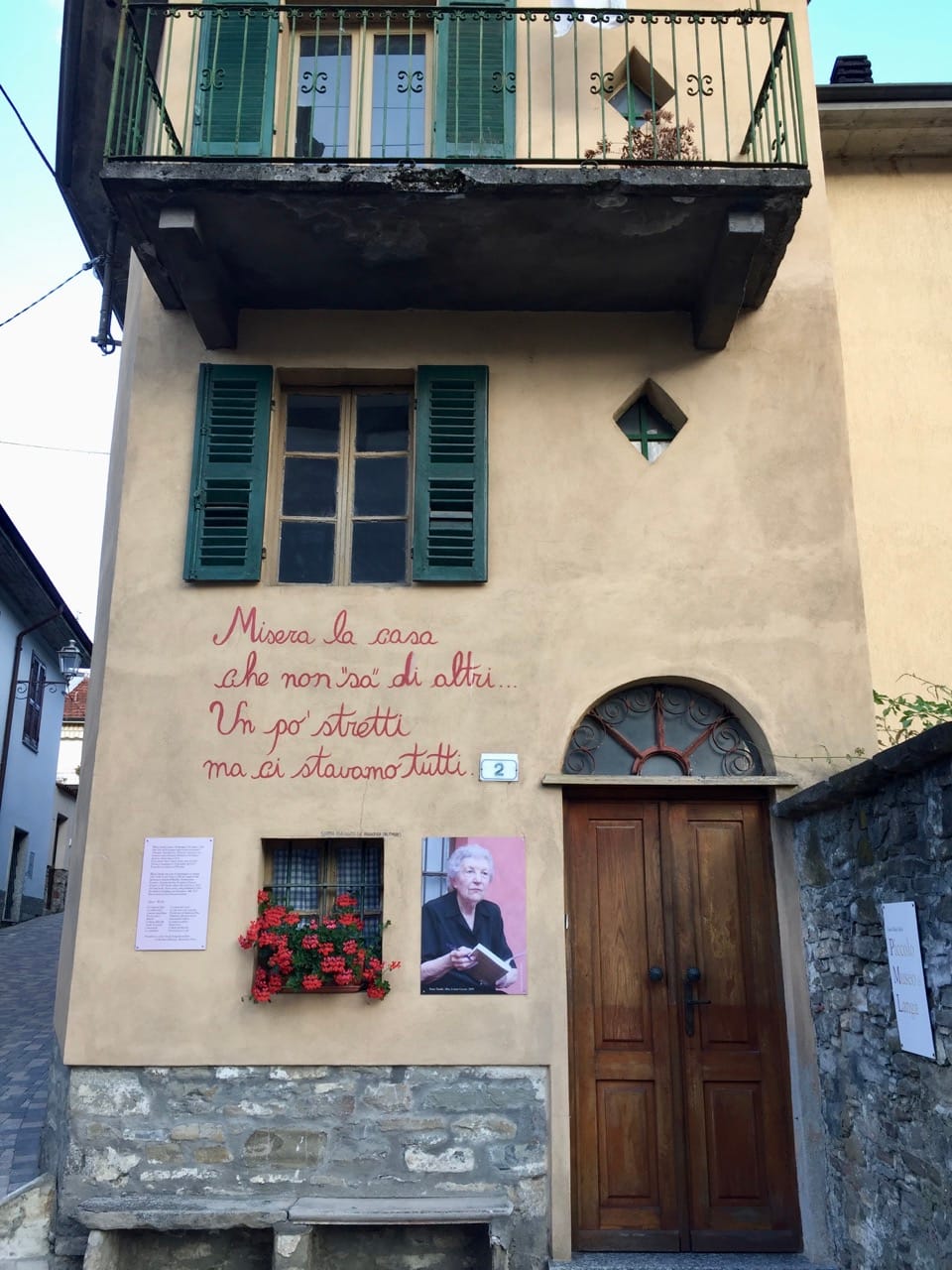
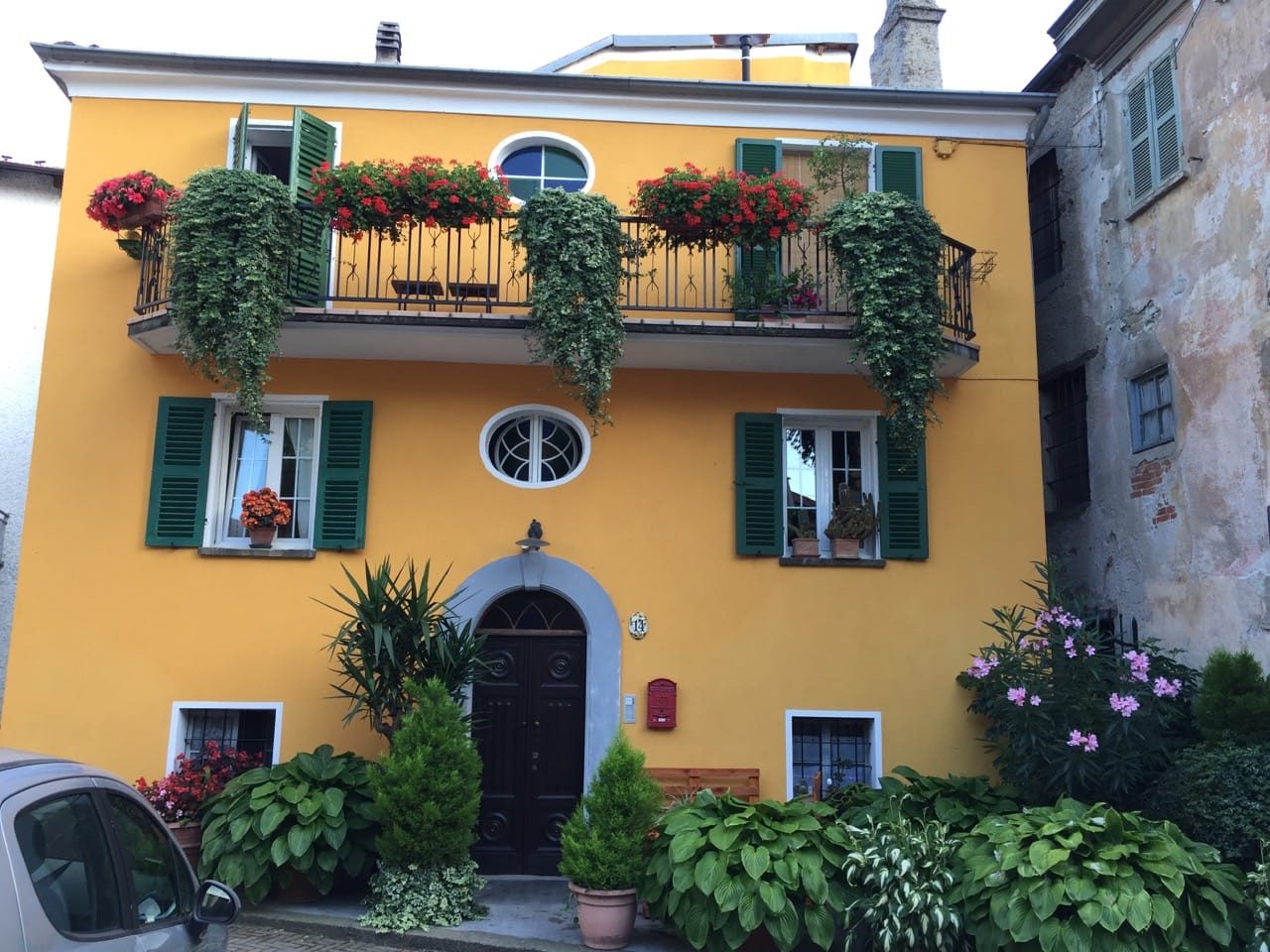
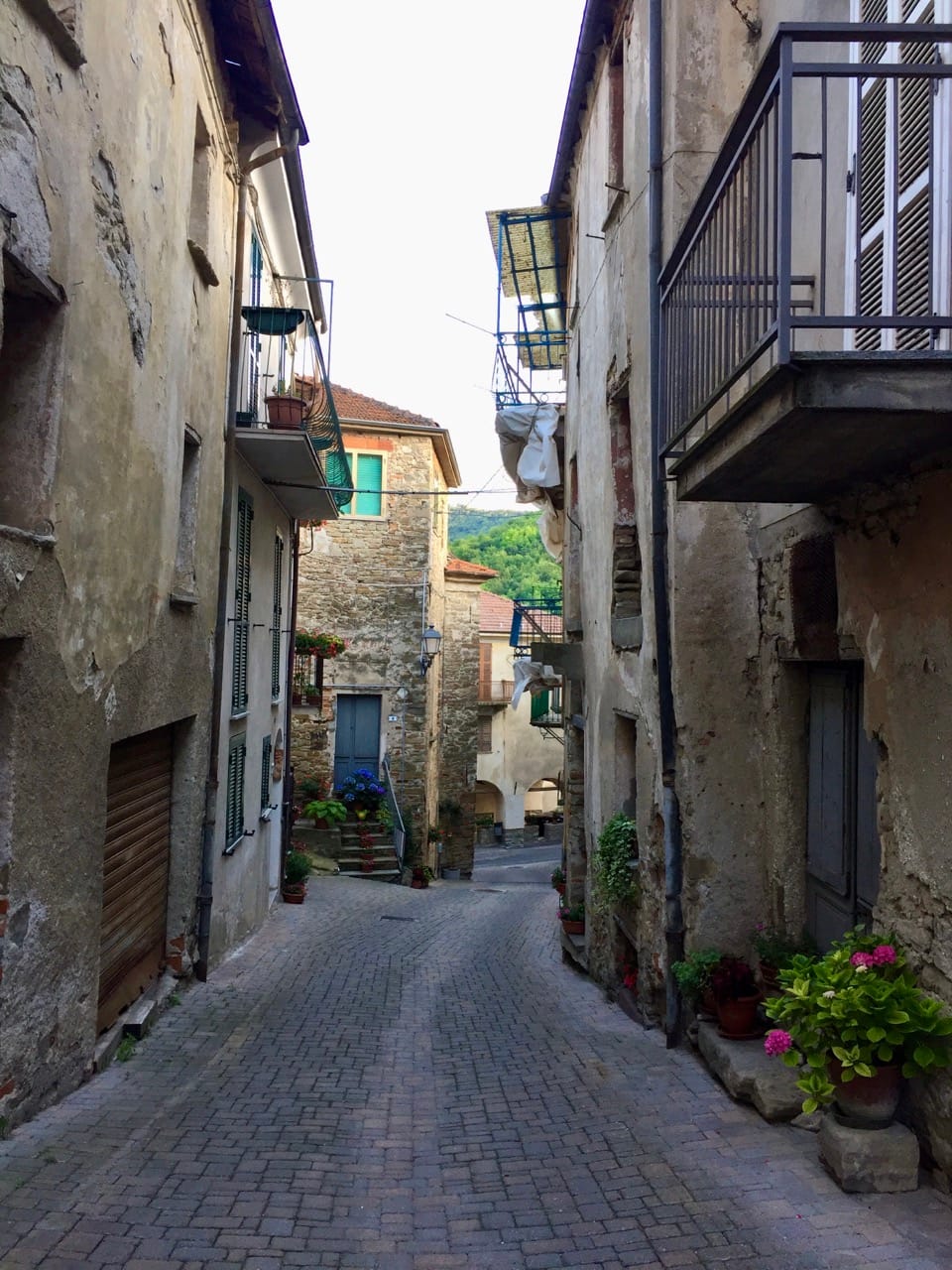
Monesiglio. Photos by Secret Piemonte
Practical Tips for Driving Alta Langa
Timing & Pace
This slow travel itinerary works as a day trip by car, but spreading it over two or three days gives you time for walks, long lunches, and soaking in the atmosphere of each village. Distances are short, but roads are winding and narrow.
Getting Around
A car is the most practical way to explore Alta Langa, although it also works by bicycle, e-bike, or e-Vespa. Public transport is limited and infrequent, particularly between villages, so it’s best suited to travellers who are comfortable driving.
Alta Langa Weather
Due to its higher altitude and proximity to the mountains, the weather in Alta Langa tends to be cooler and more changeable than in the lower hills and valleys.
Even in summer, it’s a good idea to bring a light sweater and waterproof jacket, and winter requires warm layers and boots.
The Langhe-Monferrato-Roero tourist board has a weather and webcam page you can check before setting out.
When to Visit
Alta Langa works year-round, although snow and ice can affect accessibility in winter.
- Spring brings fresh produce, wildflowers, and mild but changeable weather.
- Summer is lively in the evenings, especially when village festivals and outdoor concerts take over piazzas.
- Autumn is ideal for food lovers, with hazelnut season and the Alba truffle fair starting.
- Winter is atmospheric but cold—you’ll need snow chains or tyres if driving, and you may need to allow extra time due to weather constraints.
Where to Stay
The hills are dotted with farm stays and B&Bs, and the area is a stone’s throw away from some of the Langhe’s top luxury hotels.
Alta Langa: The Real "Secret Piemonte"
The hills and villages in this itinerary are “my” Piedmont—the places I return to often and that inspired me to create Secret Piemonte.
I hope this itinerary encourages you to discover a side of the region that’s more authentic—and often overlooked. If you follow the route, I’d love to hear what you think.
Planning your route into Piedmont? Here’s how to get here by train, car, or plane.