Inside Piedmont’s Oldest Food Festival: The Fat Ox Fair in Carrù
It happens every second Thursday of December.

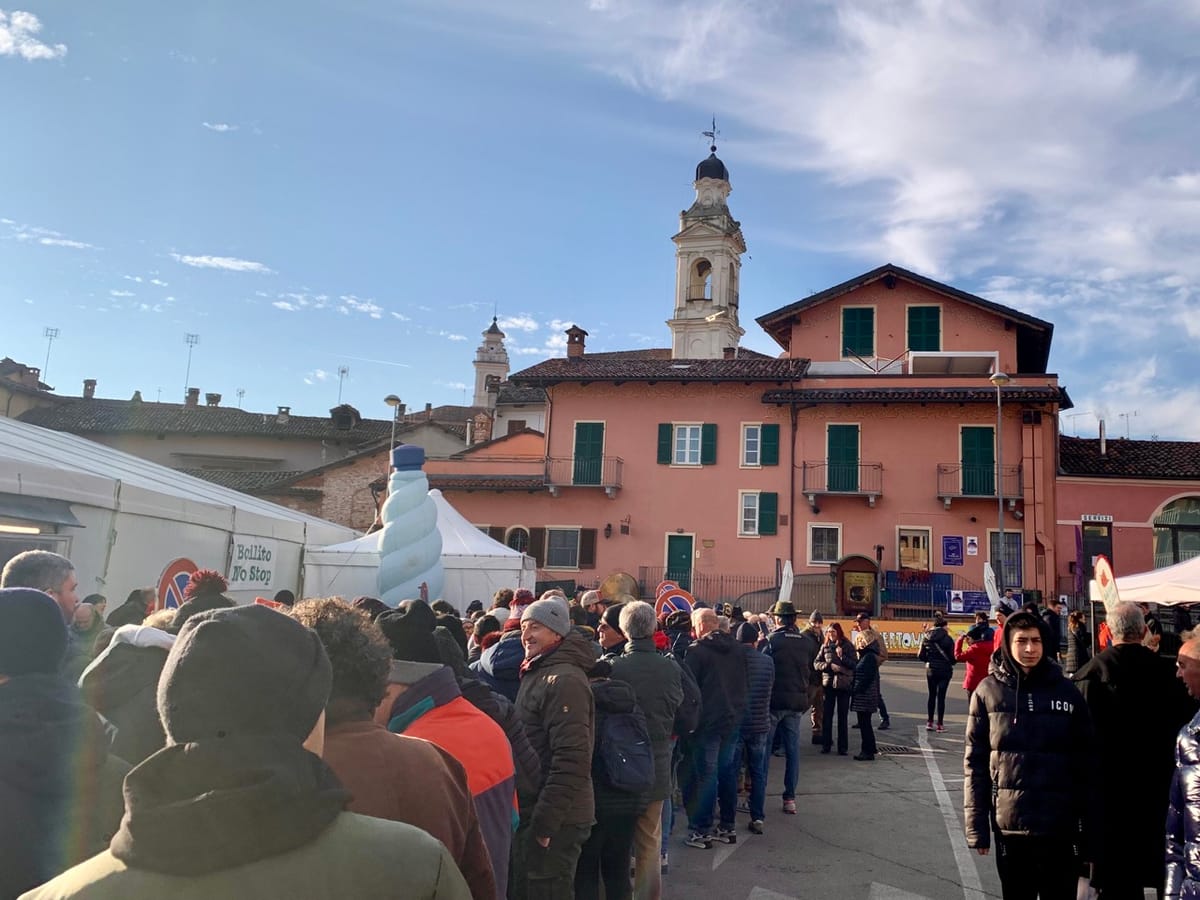
On the second Thursday of December, the village of Carrù wakes at 5 am to welcome visitors from all over Piedmont—and Italy—to celebrate the Fiera del Bue Grasso.
Before the sun touches the snow-capped mountains, the street market opens, restaurants start serving bollito (slow-boiled ox meat), traditional music plays, and vin brûlé flows for the rest of the day.
This curious event is an unmissable opportunity to get up-close-and-personal with one of Piedmont’s longest-running rural traditions, so I set out early one cold December morning to find out what it’s like.
Here’s what I learned.
Looking for an Italian winter escape? Here’s a guide to visiting Piemonte in December.
 Victoria Peel-Yates
What Is the Fat Ox Fair (Fiera del Bue Grasso) in Carrù?
For centuries, Piedmontese life depended on oxen, and these gentle giants were used to work the steep terrain. When they got old and needed to be replaced, farmers would travel to oxen markets like the one in Carrù.
Records dating back to the Middle Ages refer to an ox fair at Carrù, and the fair in its present form began in 1910 as a way to address meat scarcity and rapidly rising prices.
These days, the oxen are bred for eating rather than working—their prized meat attracts people from far and wide—and the all-day party has become a firm fixture on Piemonte’s festive calendar.
What to Expect at the Fiera del Bue Grasso in Carrù
Although the fair runs all day, it’s worth getting up early and braving the cold to immerse yourself in tradition. We arrived at 8.30 am, which was ideal because it wasn’t too crowded yet, and the rising sun took the edge off the cold.
At that time, people were already waiting outside restaurants for bollito and drinking wine, while others ordered coffee and croissants. Reservations are recommended if you want to eat in a restaurant, and a full menu (with antipasti, primo, bollito, dessert, coffee, and wine) costs around €45.
Alternatively, you can head to the “Bollito No Stop” tent, which is arguably more fun. Even at 9 am, we waited about an hour to get in (so make sure you wrap up warm), but the nearby stands serving vin brûlé helped the crowds stay warm.
Once inside, €22 gets you a generous helping of bollito served with sausage, mash, cheese, bread, bagnet verd (a parsley and anchovy sauce), a slice of cake, and unlimited wine. Bollito is made using Piedmontese fassona ox meat, which is tender and flavourful, and slow cooked for hours until it practically falls apart.
In the tent, people sit together at trestle tables while the traditional band serenades them and the wine flows, making it the perfect opportunity to chat to locals who are in a festive mood. After a breakfast of champions, people wander off to explore the market—and visit the oxen.
Heading to Piedmont this winter? Save time with this one-week packing list.
 Victoria Peel-Yates
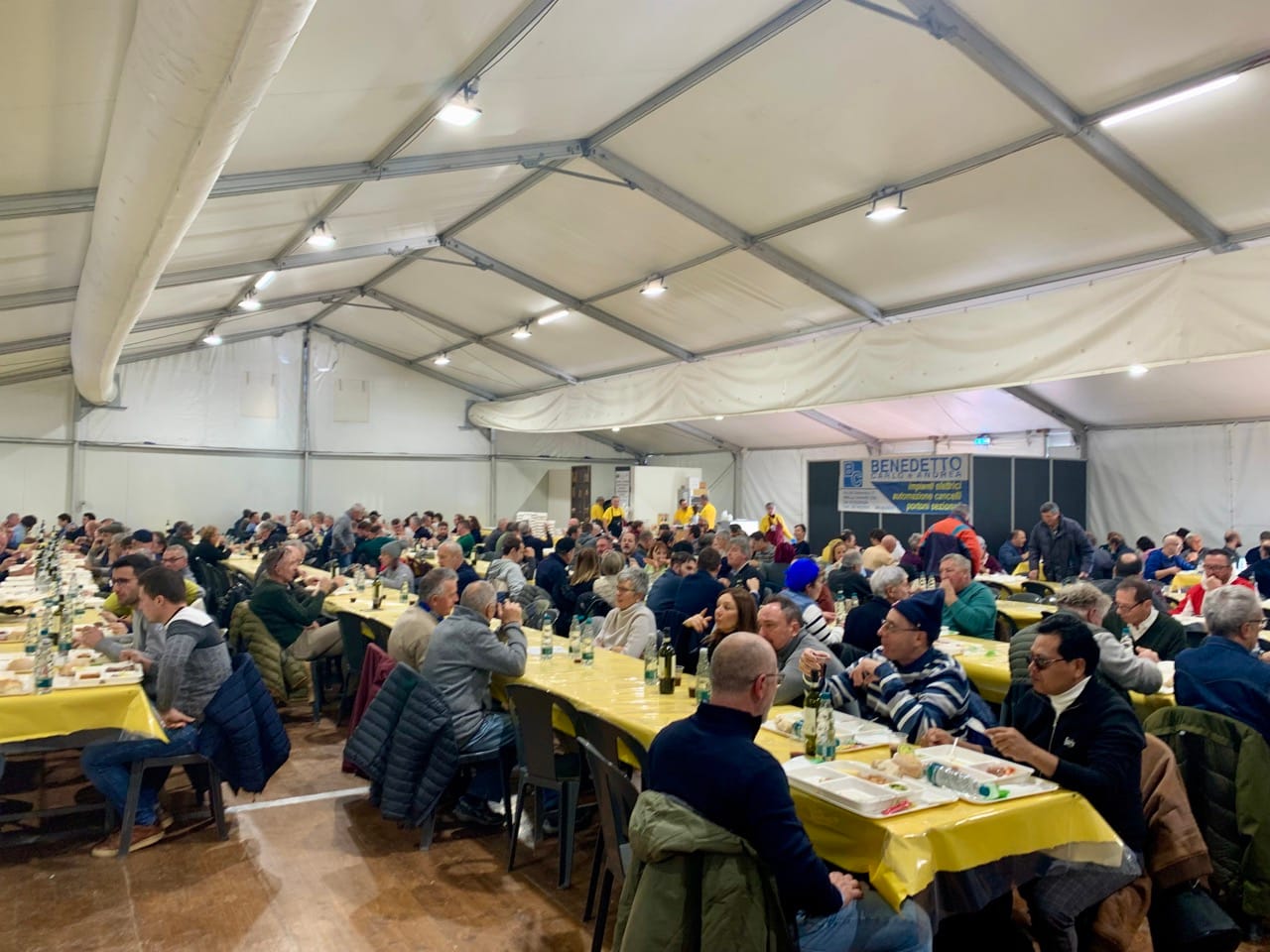
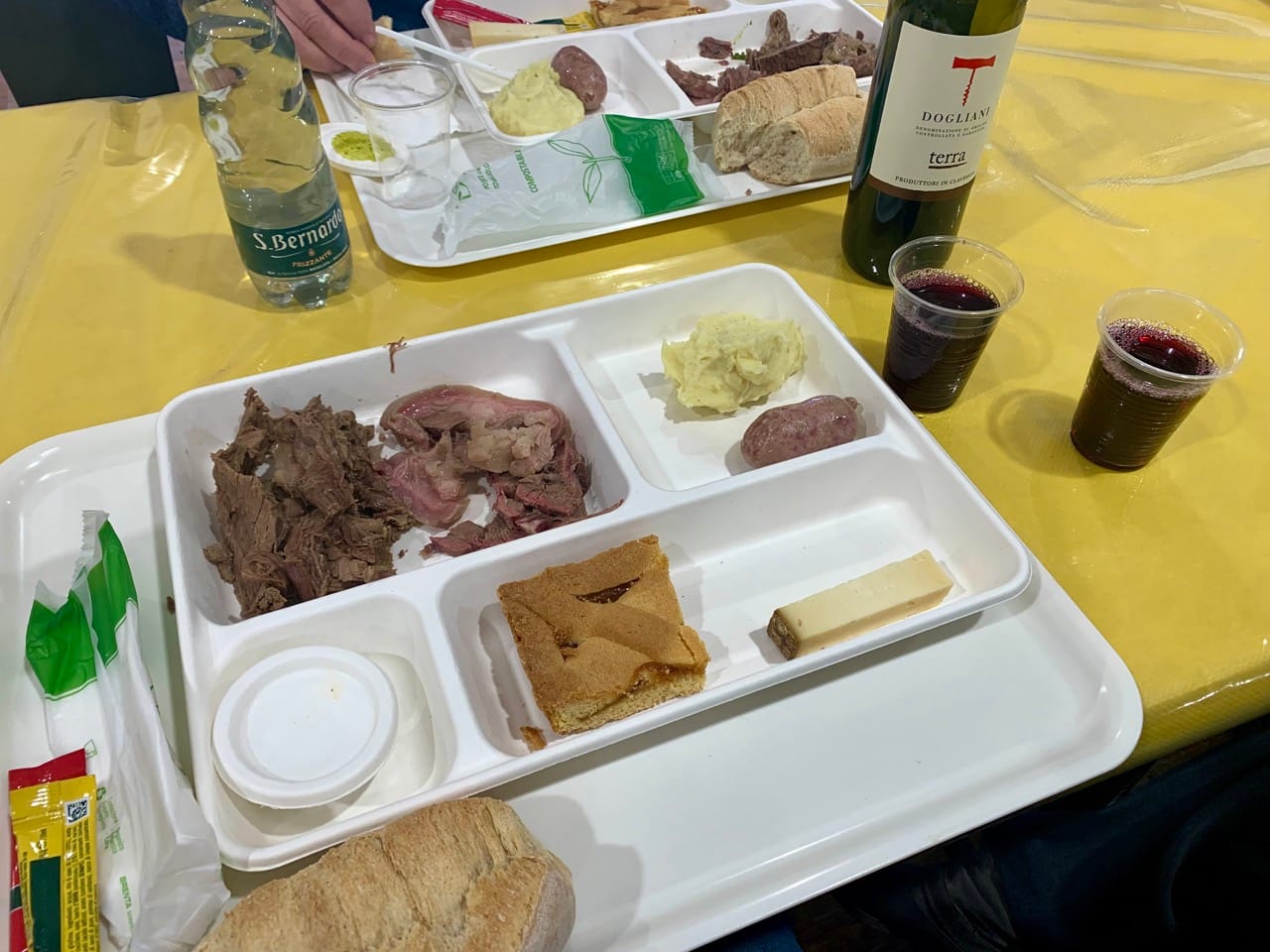
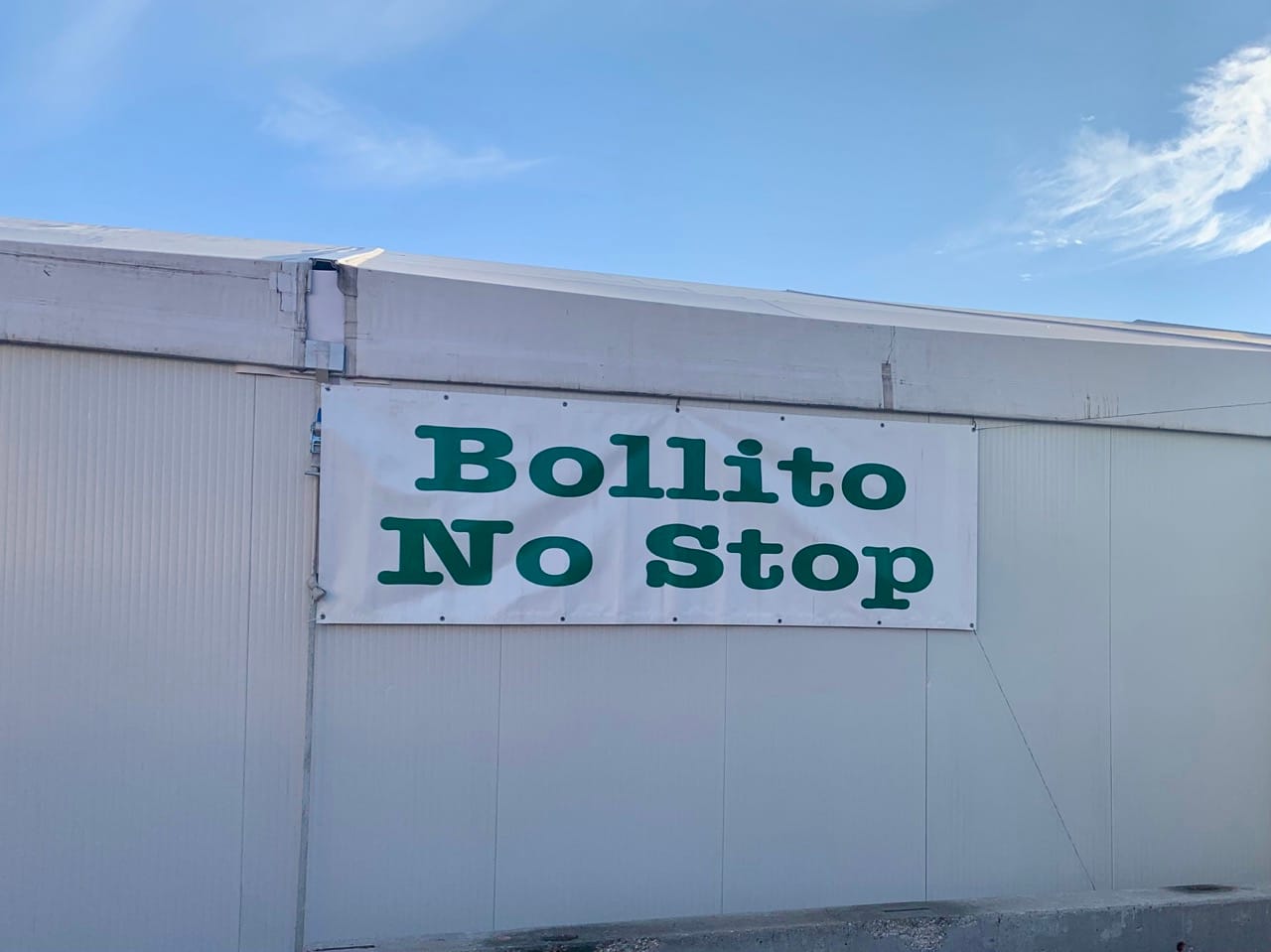
The "Bollito No Stop" tent had all the vibes. Photos by Secret Piemonte
The Street Market and Ox Market
During the Fiera del Bue Grasso, the streets of Carrù are full of vendors selling fresh fruit and vegetables, local cheeses, cured meats, rice, olives, hazelnuts, and anchovies, as well as household goods and handy winter items like blankets and socks.
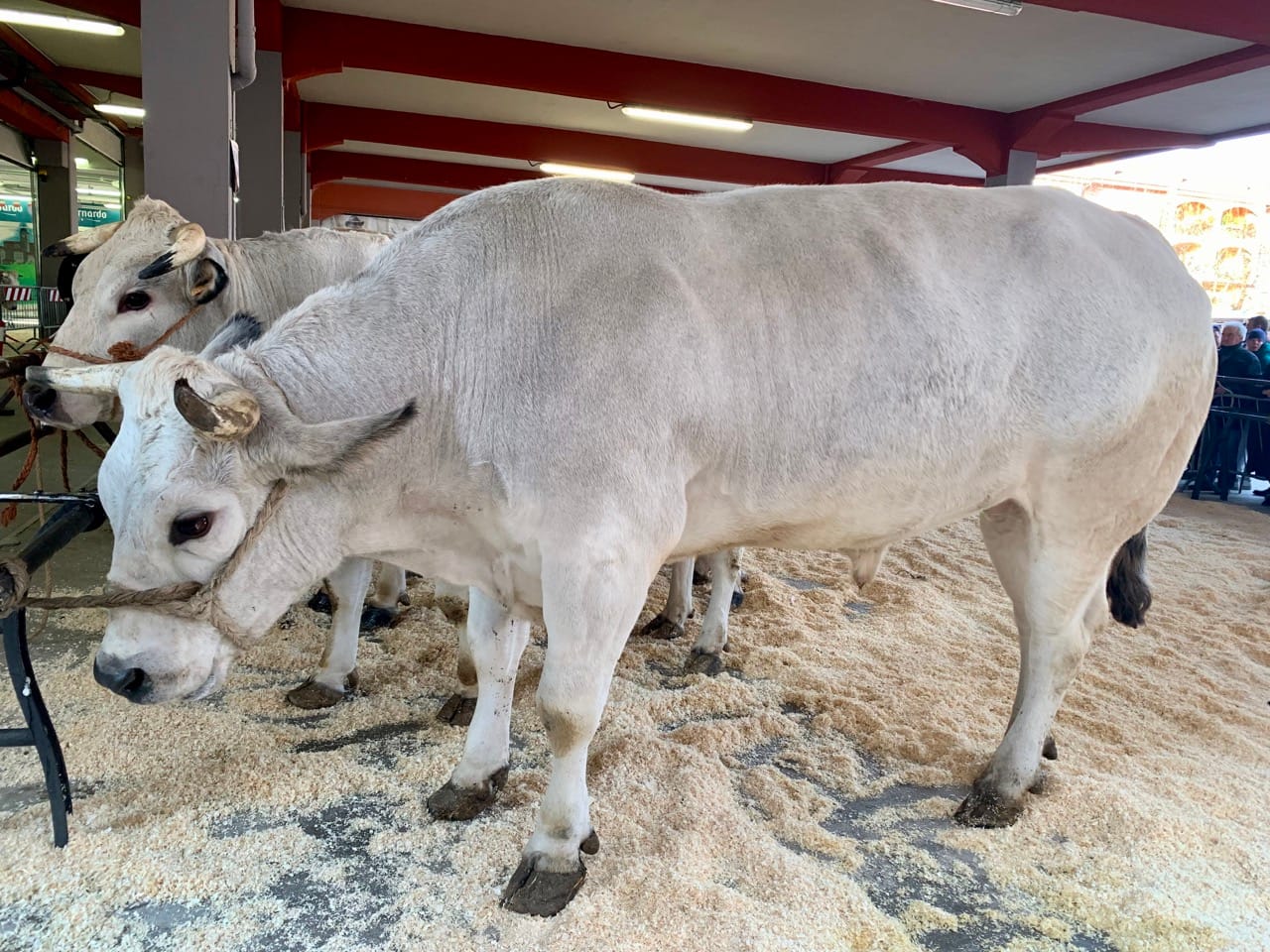
As you wander through the market, you’ll eventually come to the main square, where the ox auction takes place. Whereas the piazza was once full of oxen, most of them have been replaced by monstrously large tractors for sale. Only a dozen or so oxen now huddle together under the covered awning that occupies one side of the square.
I’ll be honest—seeing the animals was my least favourite part of the event, as they were clearly afraid and distressed, and although the auction was rumoured to be about to start, I decided not to hang around for it. It’s a long-established rural tradition, but one that can feel uncomfortable to witness, especially the first time.
Can’t make it to Piedmont this Christmas? Here’s how to give Piedmont-inspired gifts without leaving home.
 Victoria Peel-Yates
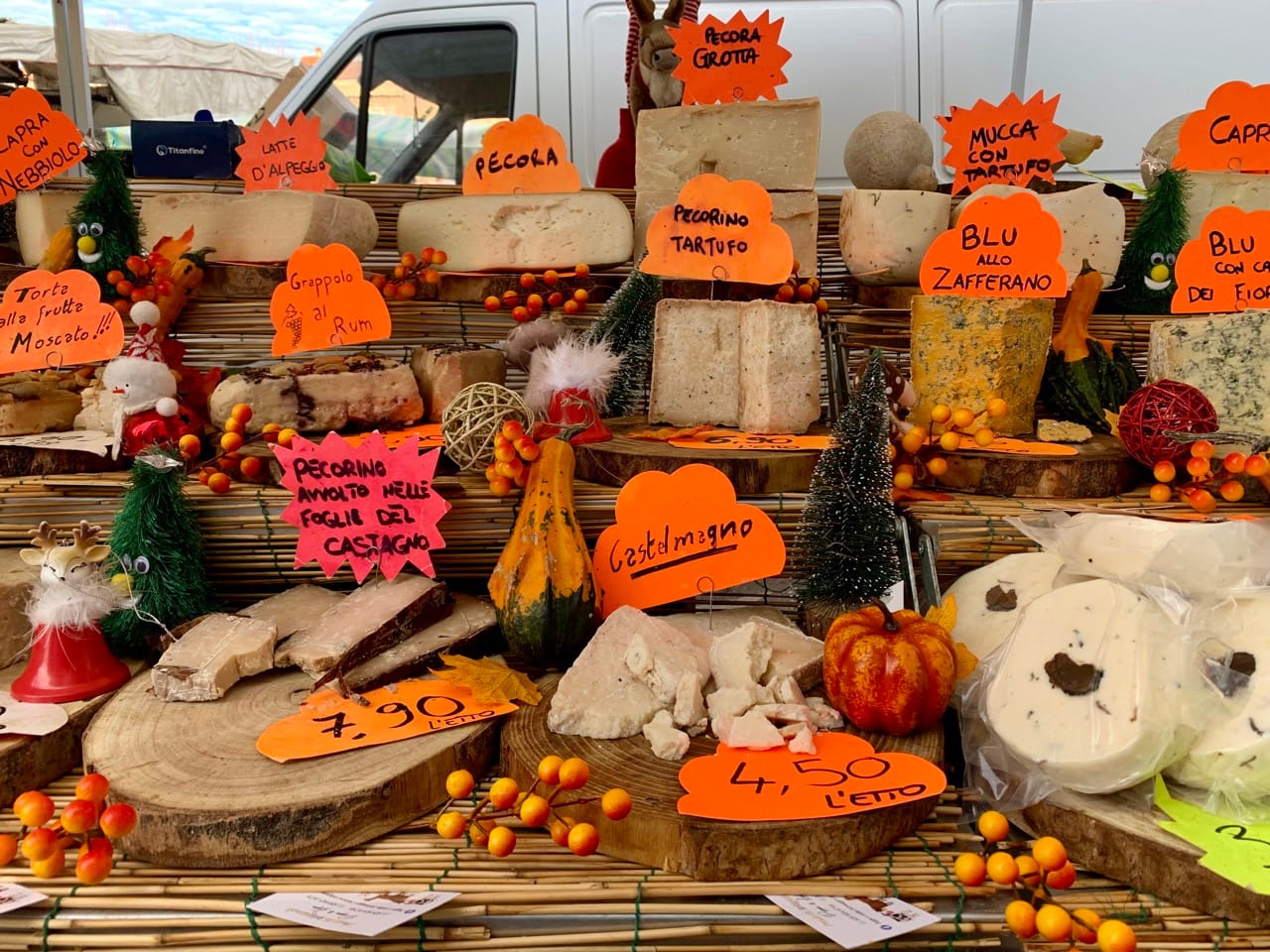
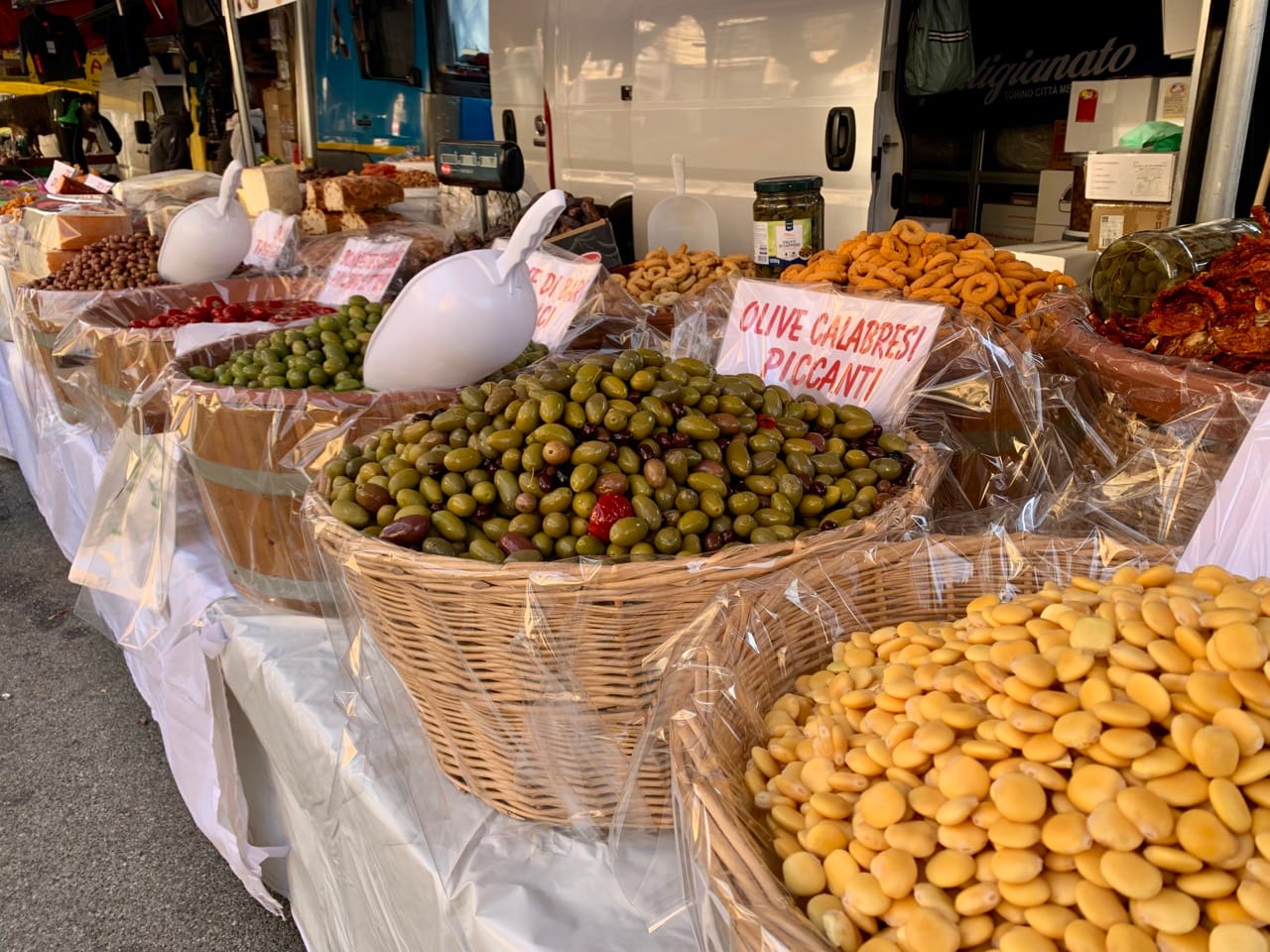
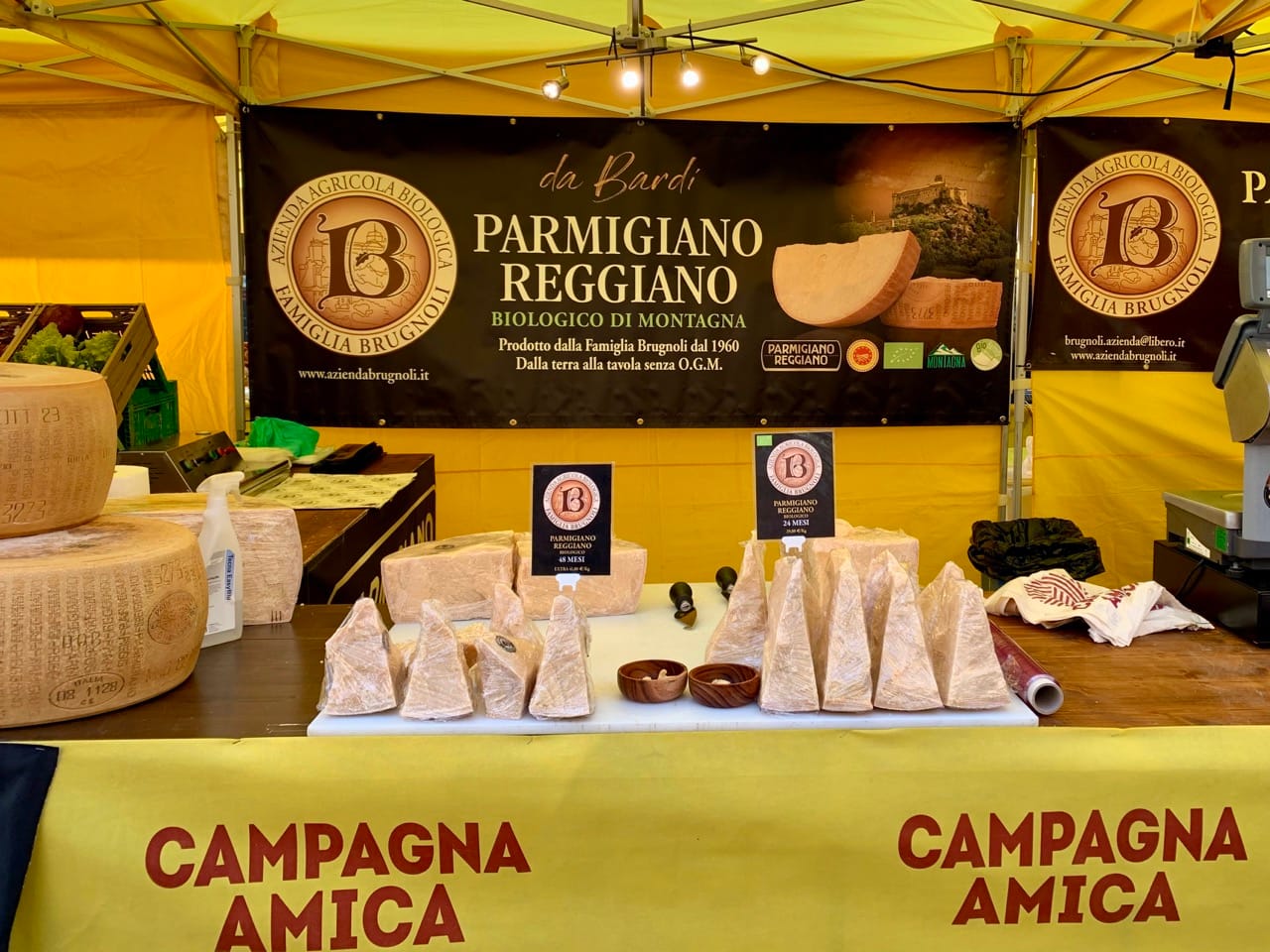
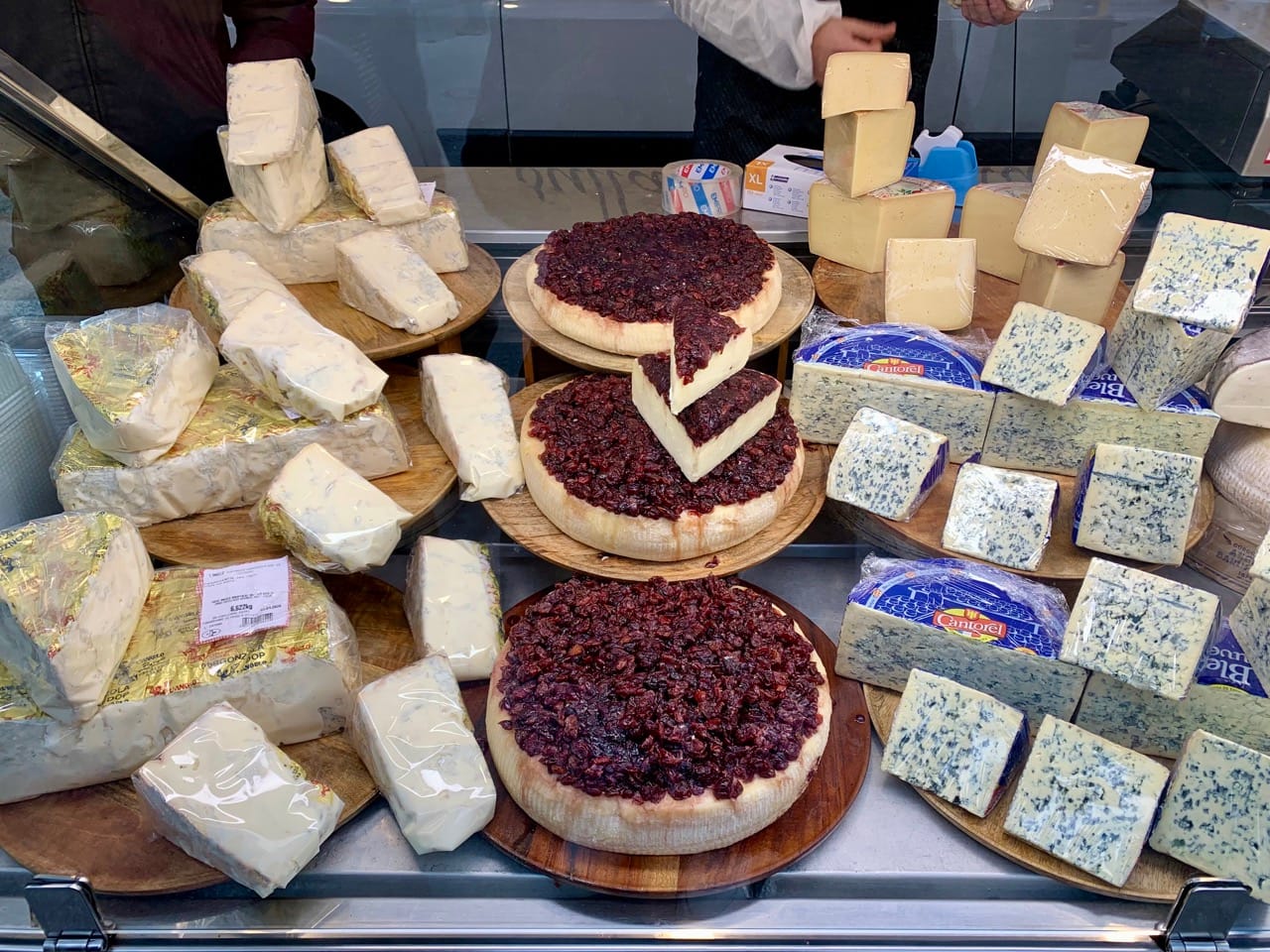
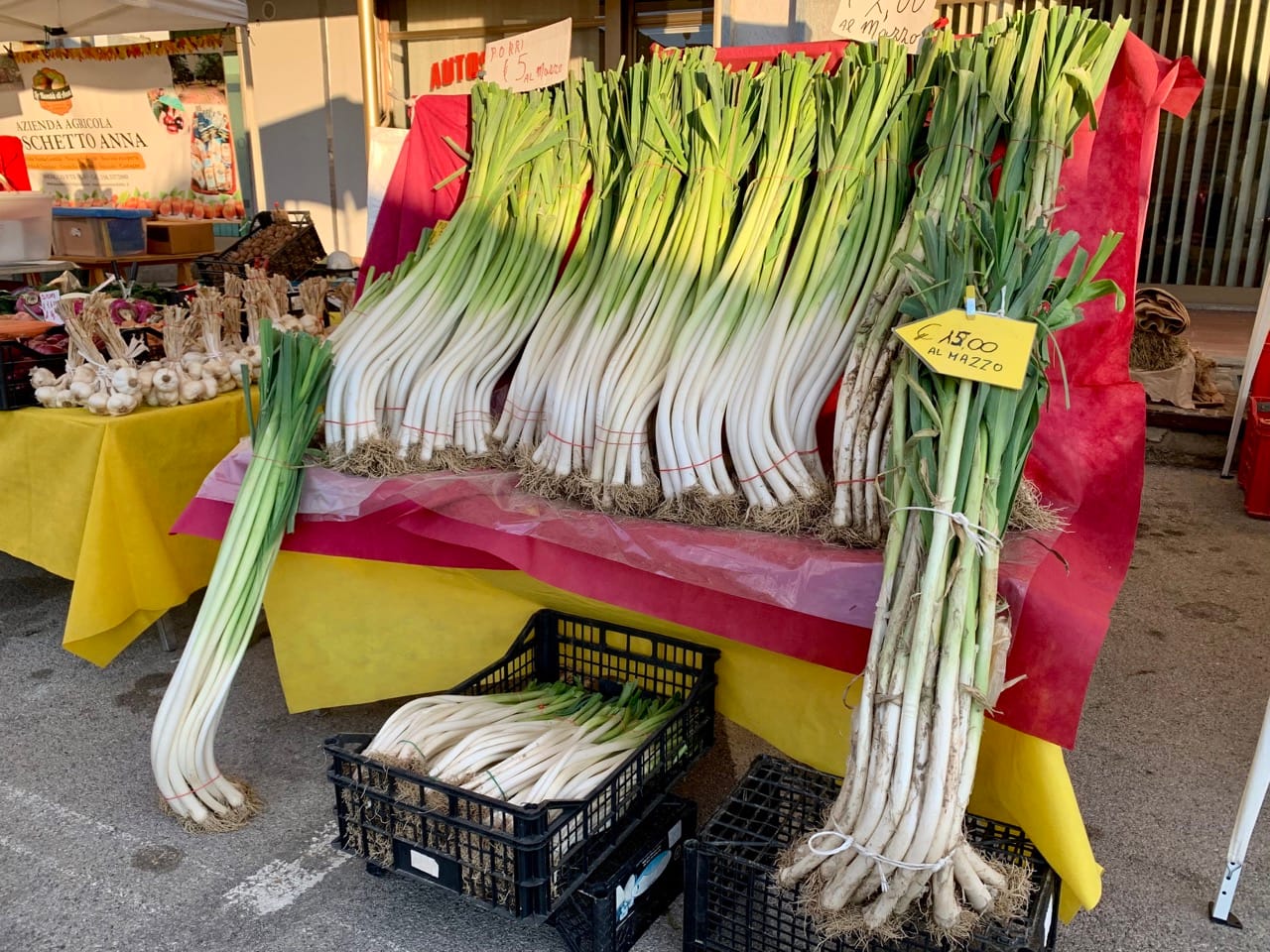
Stalls at the street market in Carrù. Photos by Secret Piemonte
What to Eat and Drink at the Fat Ox Fair
Traditionally, people eat bollito and drink wine and vin brûlé, but if you can’t stomach all that meat and alcohol early in the morning, don’t worry—you’ll still find plenty to eat and drink in Carrù.
Many of the local bars serve typical Italian breakfast options like panini and brioche (which is what the Piedmontese call croissants) alongside coffee. Alternatively, street food vendors serve burgers, sandwiches, and local dishes like agnolotti and tajarin pasta.
Wondering how many days you need in Piedmont? Whether you have two days or two weeks, these 10 itineraries make trip planning hassle-free.
 Victoria Peel-Yates
Is the Fiera del Bue Grasso Worth Visiting?
Visiting the Fat Ox Fair is a fascinating way to go deeper into Piedmontese culture—I enjoyed myself and will probably go again next year.
However, if you’re vegetarian or sensitive to animal welfare, you might be better off at one of Piedmont’s many other food festivals. I visited with a very open-minded vegetarian who’s up for anything, but it’s not for everyone.
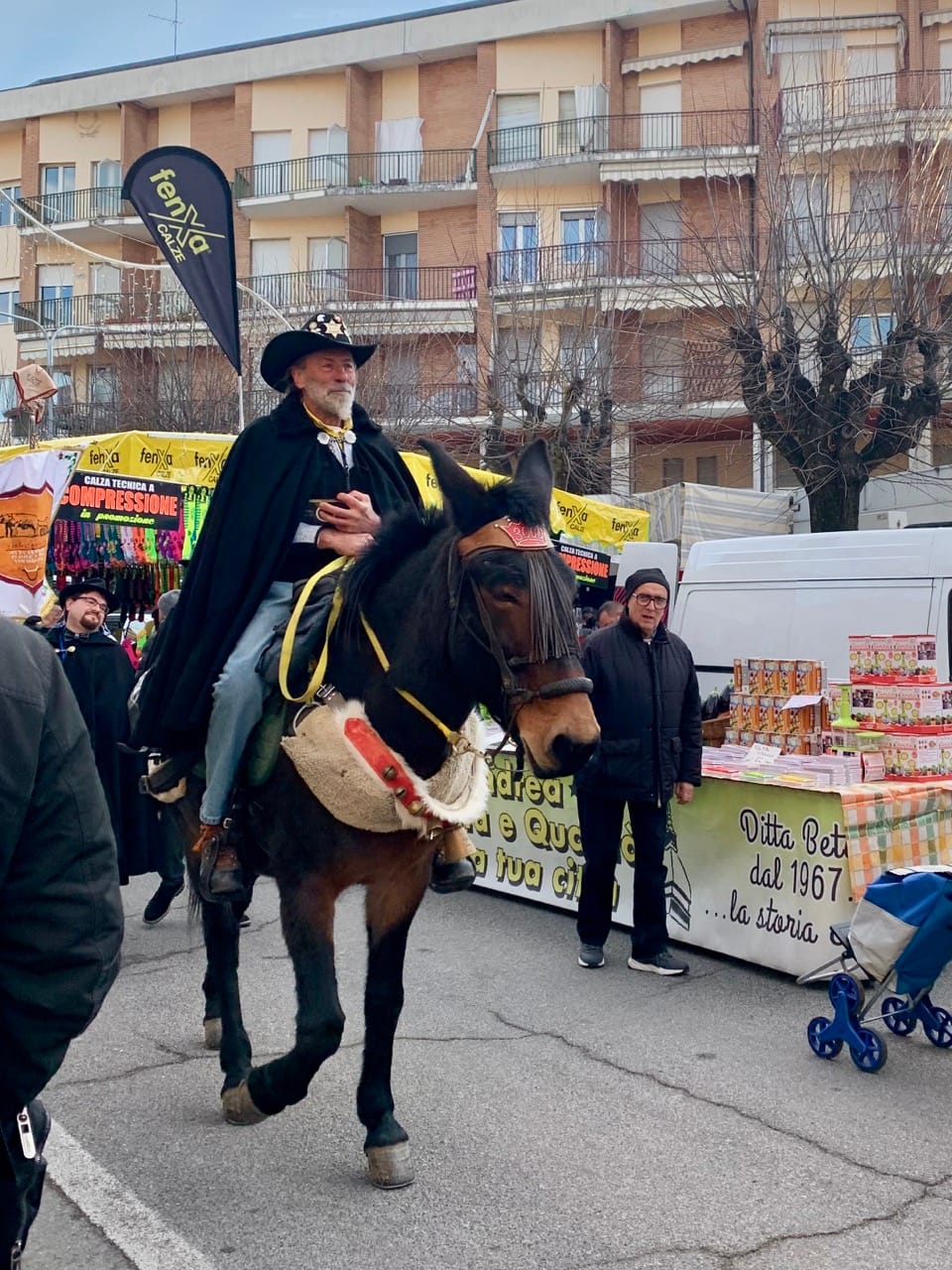
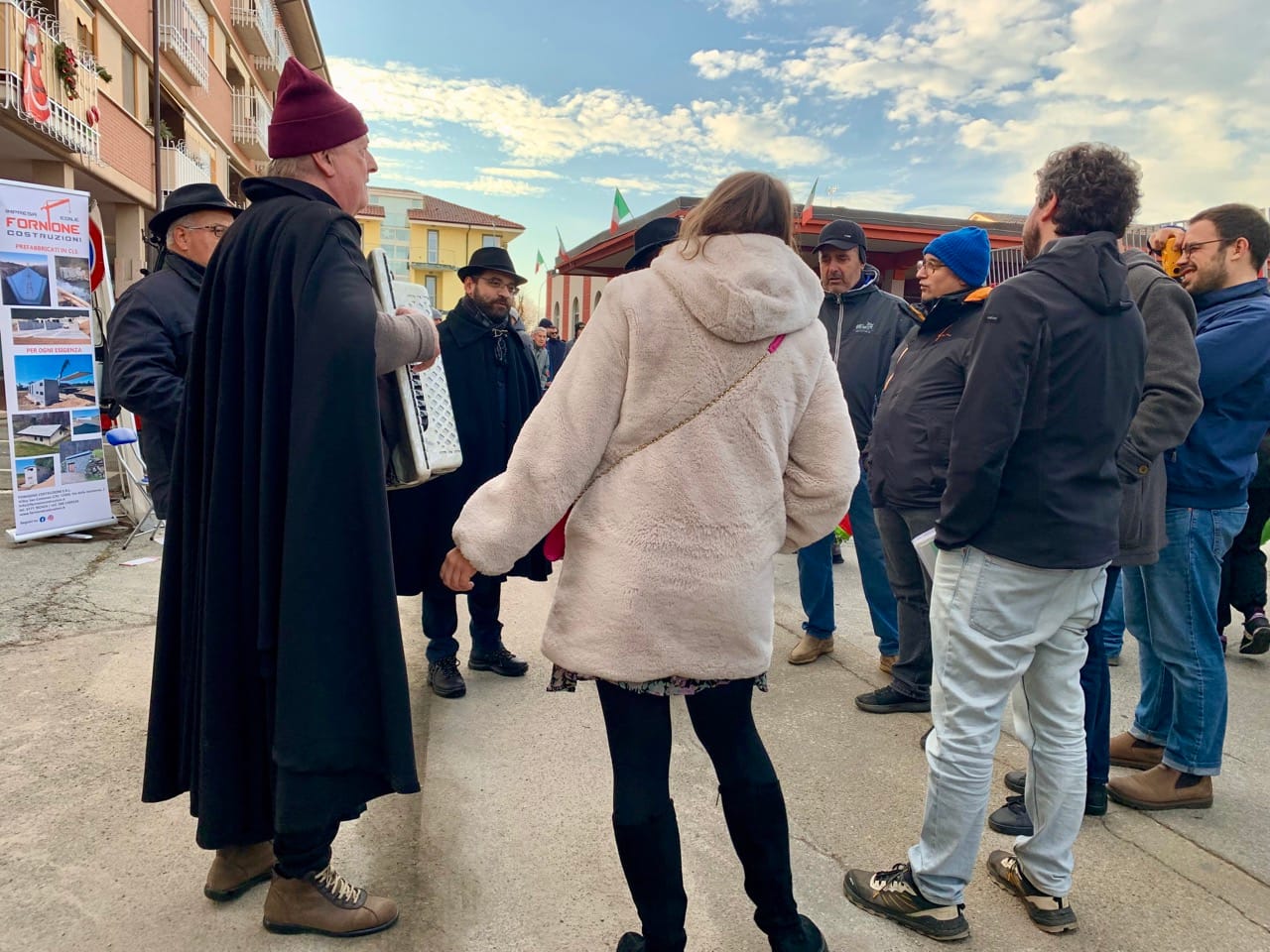
People in traditional Piedmontese dress at the Fiera del Bue Grasso in Carrù. Photos by Secret Piemonte
Practical Tips for Visiting the Fiera del Bue Grasso
- When to go: The fair starts at 5 am, but between 7.30 am and 9 am is a good time to arrive. If you come later, aim to arrive around 12-1 pm, when the first wave of people leaves.
- Parking: Stewards will direct you to temporary car parks on the outskirts of the village. From there, it’s about a 500-metre walk up a slight hill to reach the market.
- Weather + what to wear: December in Piedmont is cold and snow is possible (although I was lucky and it was sunny this year) so wear plenty of layers and waterproofs if necessary. Feet can get particularly cold while standing in queues.
- Cash + cards: Most vendors and the “Bollito No Stop” tent accept cards, but having some cash handy is a good idea just in case.
La Fiera del Bue Grasso: An Encounter with Rural Piedmont
The Fat Ox Fair makes a rewarding day out for visitors curious about Piedmont’s rural traditions beyond the Alba truffle fair.
If you’re visiting Piedmont in December, it offers a glimpse of everyday local life—festive, community-based, and largely untouched by tourism (for now).
Looking for more winter events in Piedmont? Here’s how to include the Magic Christmas Village in your itinerary.
 Victoria Peel-Yates