Wine Tasting in Roero: An Alternative to Langhe
In-the-know wine lovers are heading across the river.

Some of the links in this post are affiliate links. I may earn a small commission if you make a booking or purchase through these links, at no extra cost to you.
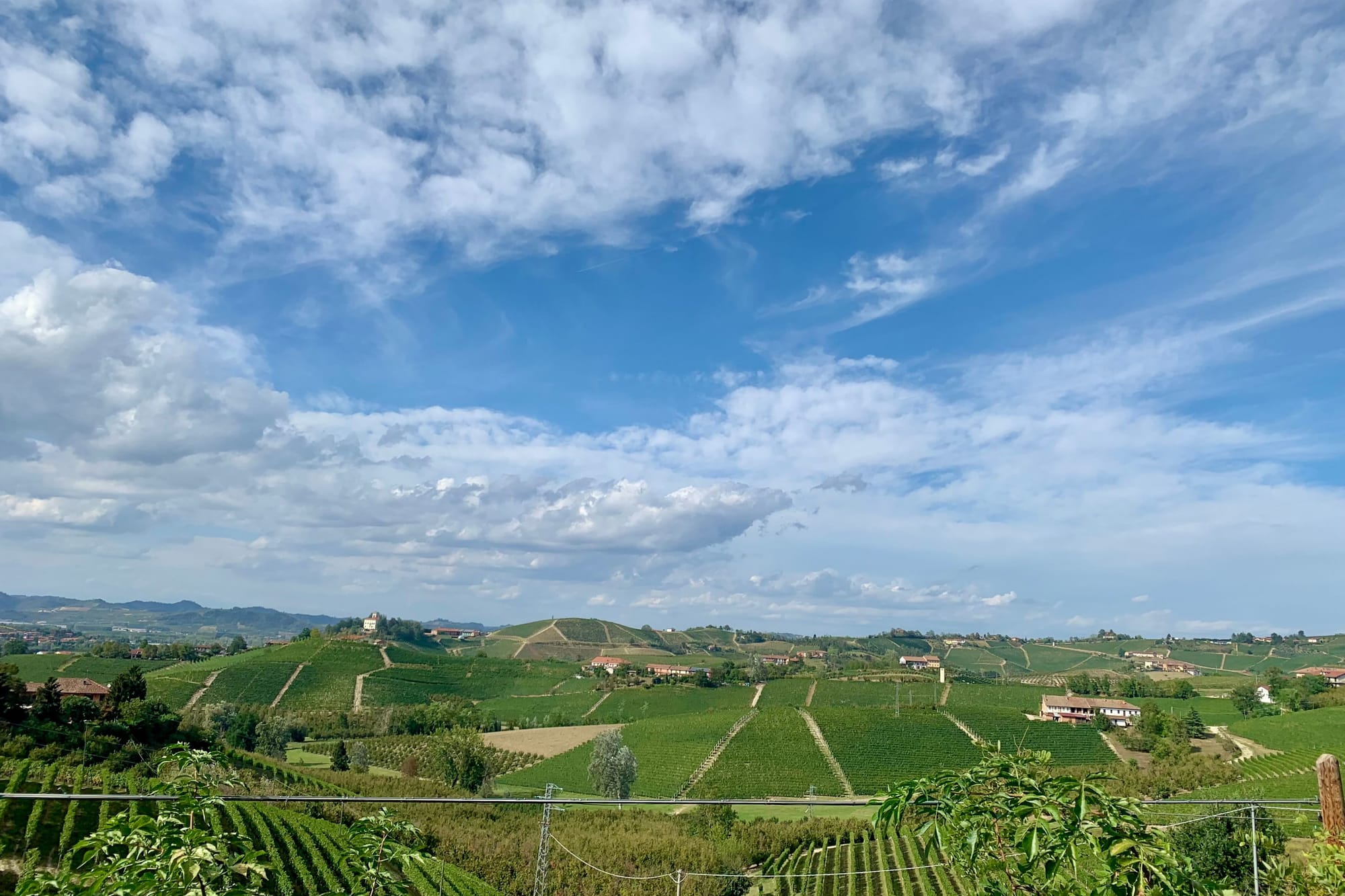
When you think of wine tasting in Piedmont, you probably imagine sipping on Barolo or Barbaresco overlooking the Langhe hills.
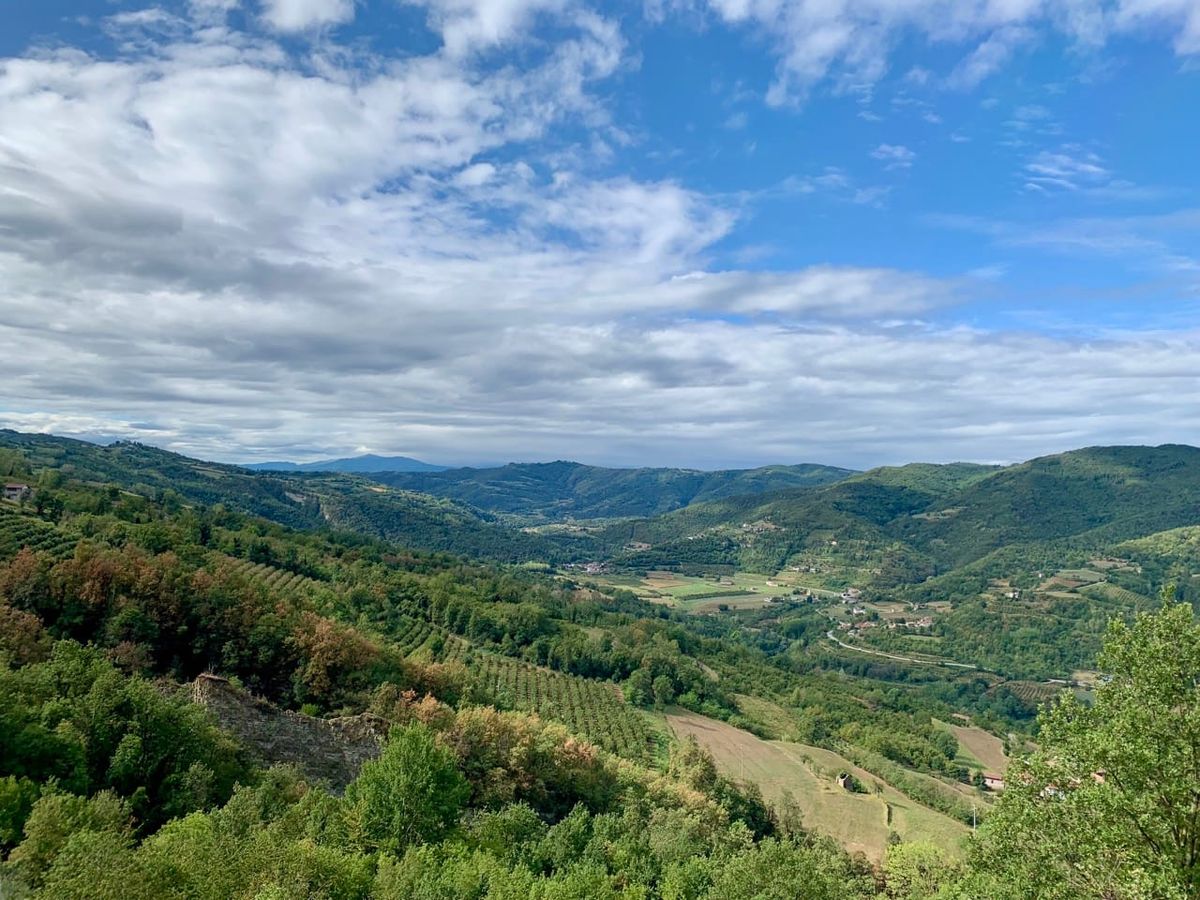
But just across the Tanaro river lies Langhe’s little sister—Roero. Like Langhe, this ancient wine-producing territory is dotted with medieval villages perched on hilltops.
While the Langhe has become increasingly crowded in recent years—with price tags to match—the Roero remains more local and undiscovered.
To celebrate my 40th birthday in spring 2026, I took my family wine tasting in Roero at PQlin winery near Castagnito. Here's what the experience was like, what wines we tasted, and what you should know before booking your own Roero wine tasting trip.
Heading to Piedmont this autumn? Check out my guide to visiting the Alba Truffle Fair.
 Victoria Peel-Yates
Roero: The Less Touristy Alba Wine Region
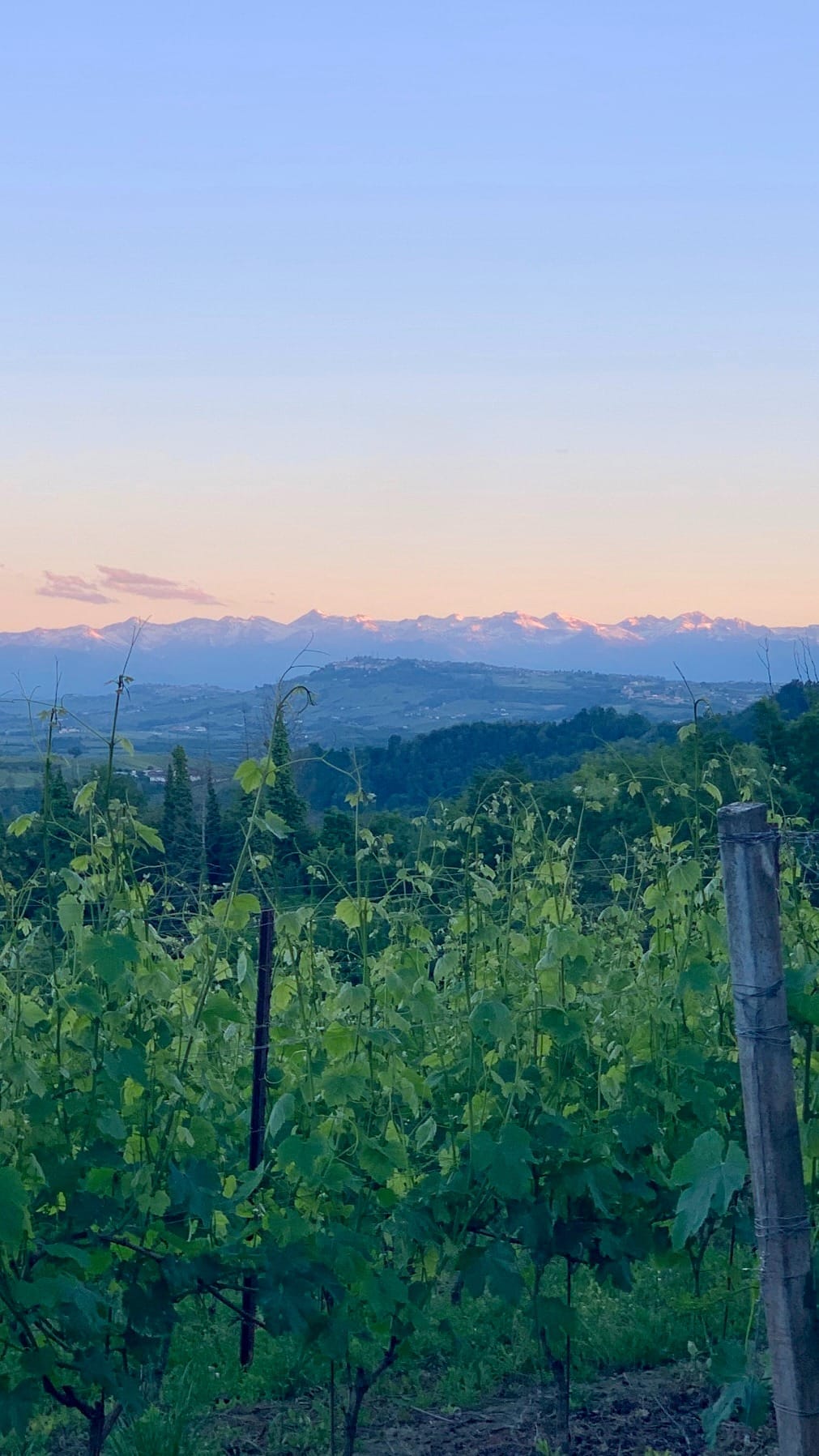
Roero’s sandy soils and steep hillsides provide excellent growing conditions for Nebbiolo, the grape that goes into Barolo and Barbaresco. But because the growing conditions are different from the Langhe, the wines it produces are often younger, fruitier, and less tannic.
Roero is also famous for Barbera—an acidic red wine that’s a more everyday drink than Barolo and Barbaresco, which tend to be saved for special occasions.
As for whites, Roero is known for the fruity, aromatic Arneis grape, as well as the crisp, refreshing Favorita, made from Vermentino grapes.
Wine Tasting in Roero: Why I Chose PQlin Winery
As my family were visiting, I wanted to find a small, family-run winery close to their AirBnb just outside Piobesi d’Alba.
I was looking for a reasonably-priced wine tasting that included food pairings as part of the experience, was easy to access, and child-friendly, since we were with my one-year-old nephew.
I came across PQlin on Winalist, and the “100% Roero” tasting experience stood out to me for its value: five wines paired with local salamis, cheeses, hazelnuts, and hazelnut cake—all for €15 per person.
The winery is open every day from 10 am to 4.30 pm, but booking ahead is a must.
Compare Roero and Langhe wine tasting experiences on Winalist.

The Winery Visit
A fourth-generation winery, PQlin is run by husband-and-wife team Margherita and Diego, and is named after Margherita’s grandfather, Angelo. As the youngest of his family, he was nicknamed “Piculin”, meaning “Little One”—quite ironic, as he was a giant of a man, Diego explains with a laugh.
When he founded the winery in the 1940s, he used his nickname rather than his surname, Battaglino, as it’s a common name in the area. To this day, Margherita’s father is known as Piculin, despite being as tall as his father.
Getting to PQlin was straightforward, and the winery has ample parking. Upon arrival, Diego greeted us and welcomed us into the winery. The vibe felt like visiting a family friend who happens to make wine.
The Cellar Tour
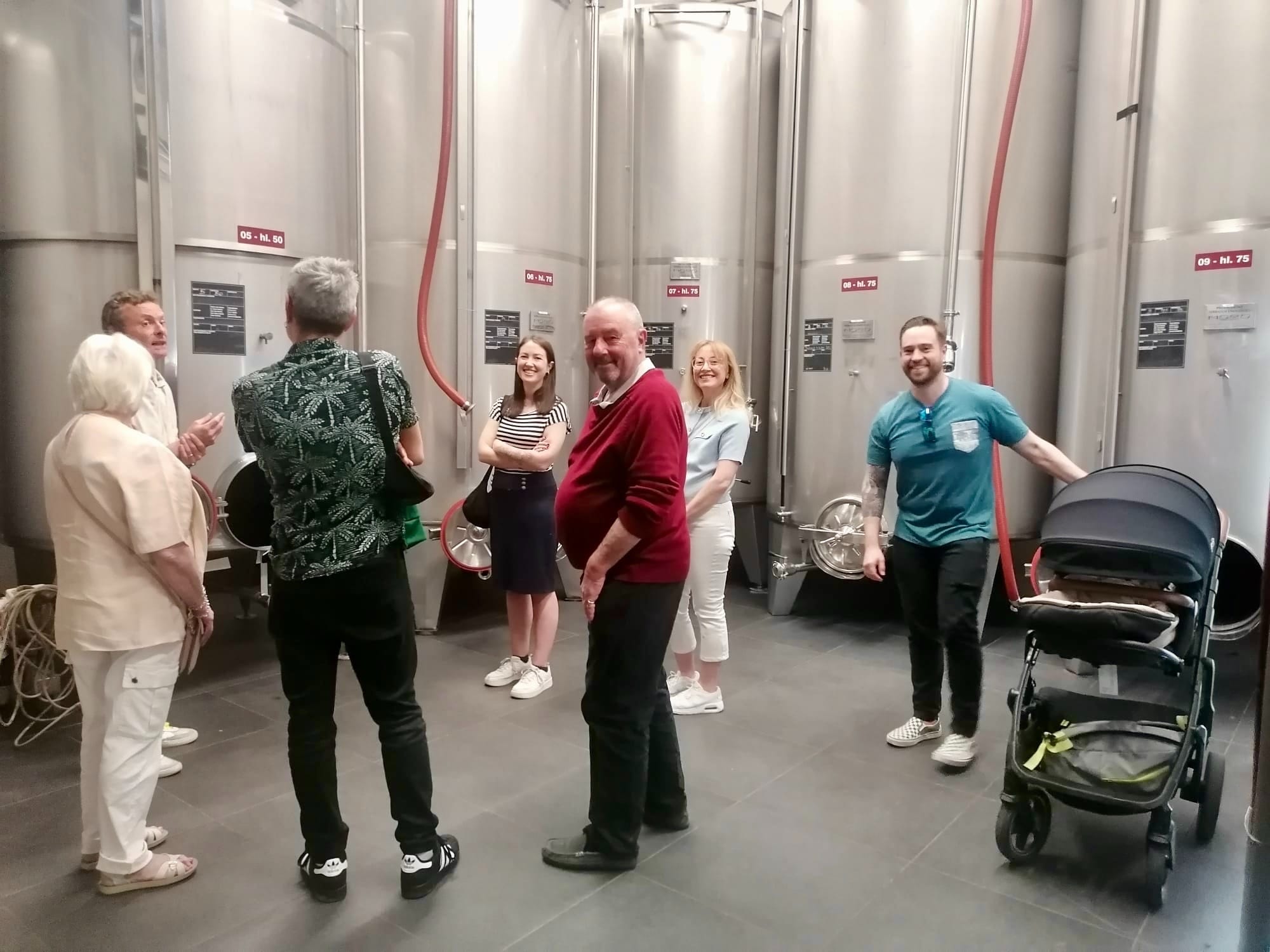
Diego led us into the cool cellar, where all of PQlin’s wines begin life in stainless steel containers. Some of them—like Roero Arneis, Langhe Nebbiolo, Langhe Dolcetto, and Barbera d’Alba—are bottled directly from there once fermentation ends.
From there, we moved onto the next room, where some of the wines—including the Barbera d’Alba Superiore, Nebbiolo d’Alba, Roero DOCG, and Roero Arneis Cortine, spend time aging in oak barrels before being bottled. Meanwhile, the sweet Passì, made from overripe grapes, goes straight into a barrel.
Diego explained the different kinds of barrels they use—French oak barriques and Slovenian oak tonneaux—and how they affect the flavour and final result of each wine.
We were the only visitors that day, so Diego had time to let my dad quiz him about barrel aging techniques—something that would be hard to find in Langhe in October.
Planning a trip to Langhe? Here are 10 of the best luxury hotels near Alba.
Victoria Peel-Yates
The Wine Tasting
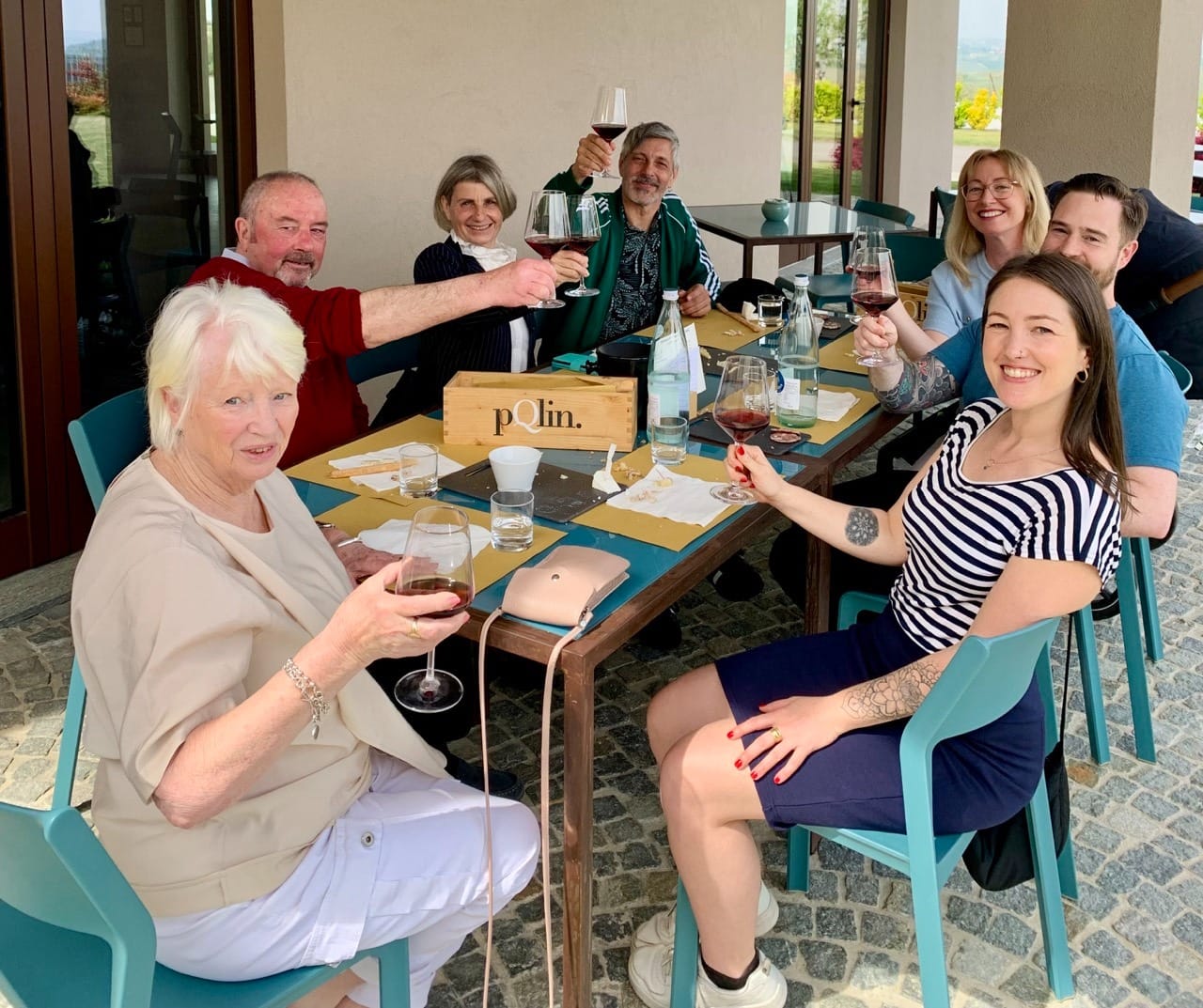
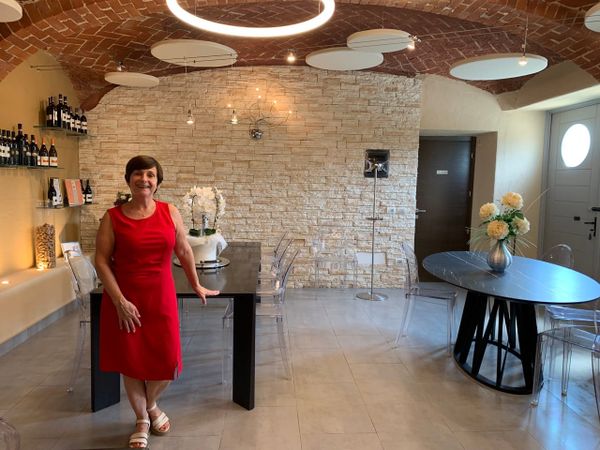
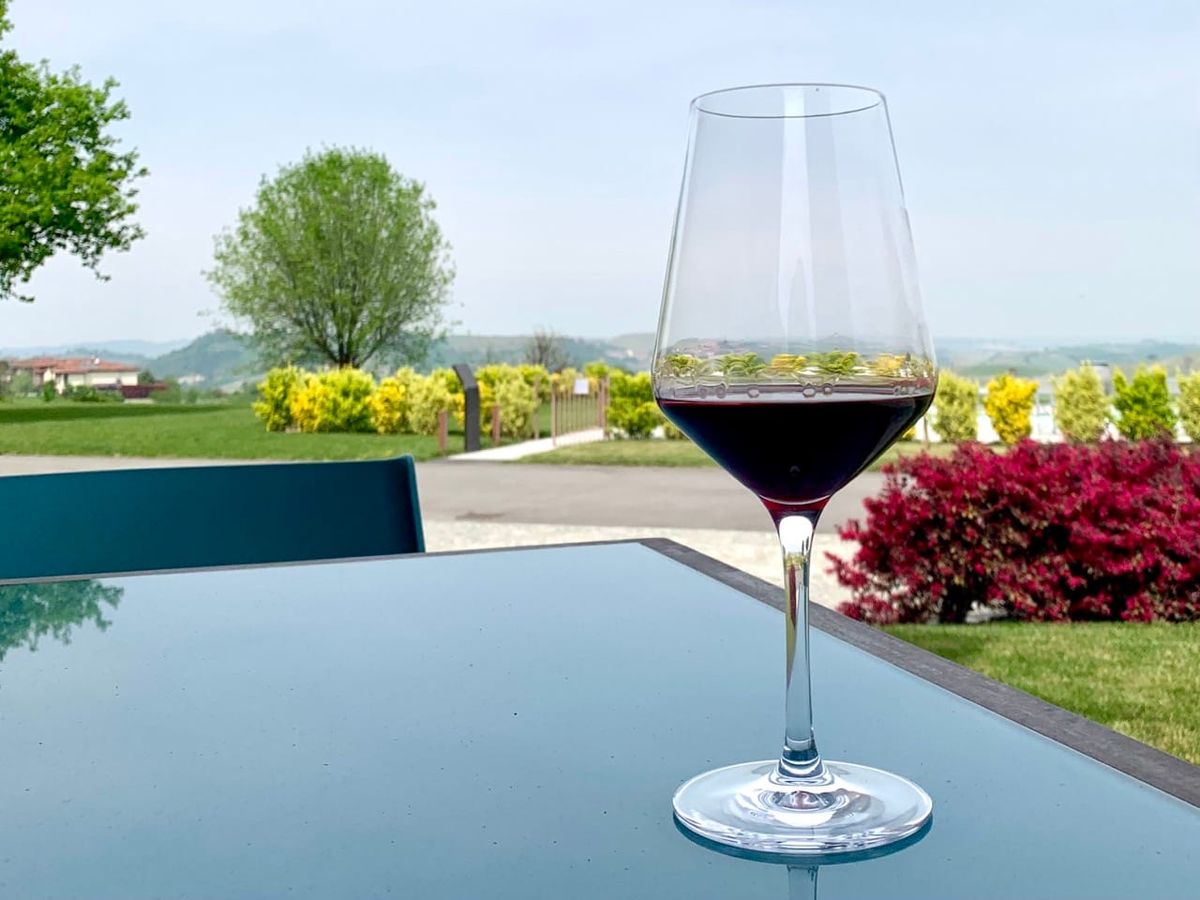
After the cellar tour, Diego led us to the tasting room, where we sat outside on the terrace as it was one of the first warm days of spring.
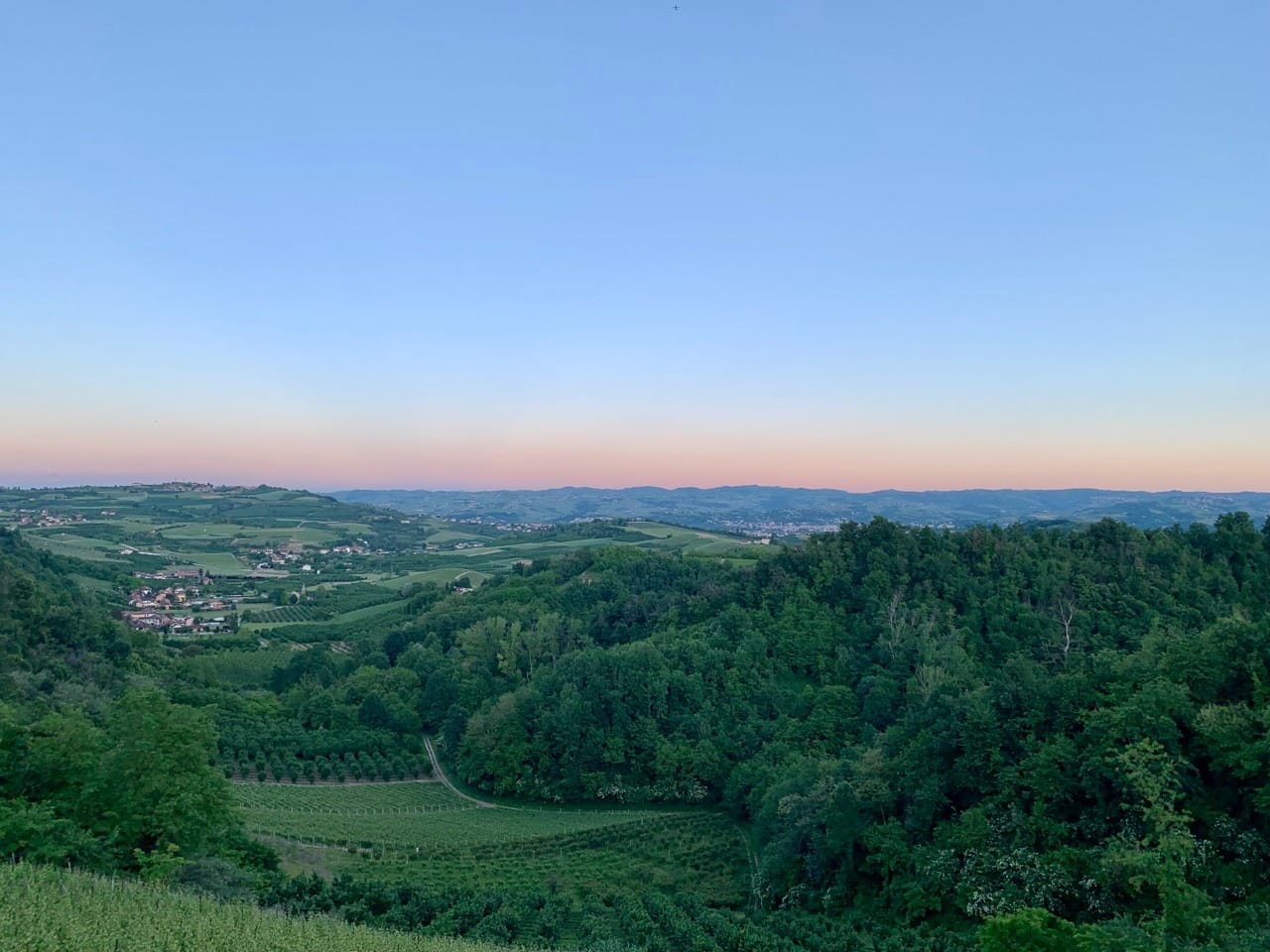
Perched on top of a hill, PQlin enjoys uninterrupted views across the hills of Langhe and Roero, stretching all the way to the Alps in the distance (although it was too hazy to see them that day).
Although the tasting was scheduled for 1.5 hours, the winery was quiet and Diego was happy to let us take our time—the tasting ended up lasting more than three hours, which is one of the advantages of wine tasting in Piedmont in spring, when winemakers can provide a more personalised experience.
We sat enjoying the sunshine and the view—my dad cracking jokes, my partner Max trying to show off his wine knowledge and being humorously corrected by Diego, my nephew giggling and trying to talk. Italian wineries are generally child-friendly, and everyone was charmed by our blond-haired, blue-eyed little one.
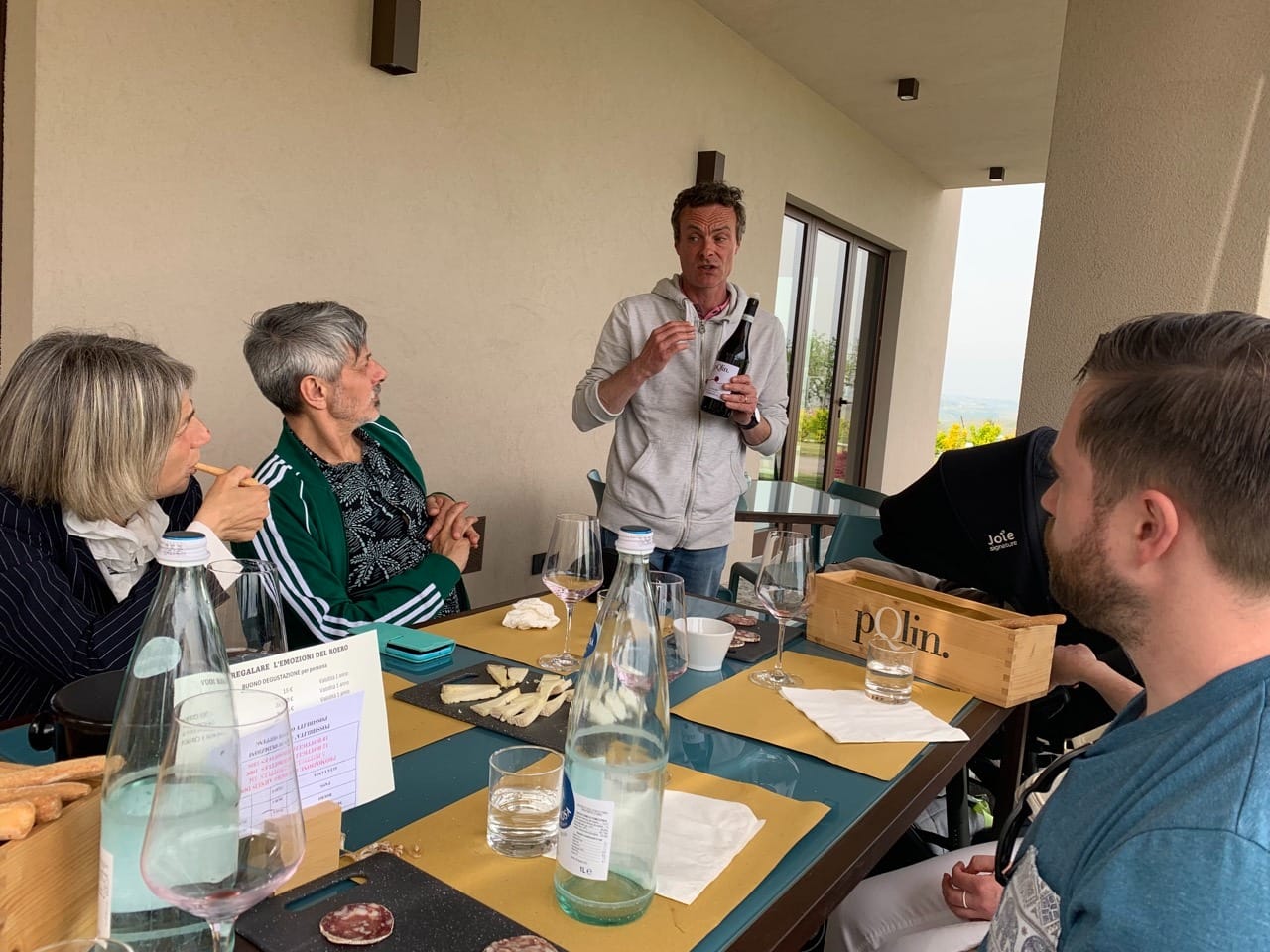
The “100% Roero” wine tasting experience includes five wines. Here’s what they were like.
1. Roero Arneis DOCG
This light, refreshing Arneis with its notes of peach made the perfect start to the tasting experience. Diego served it alongside grissini (breadsticks) and locally-sourced cured and cooked salami.
2. Barbera d’Alba DOC
Known for its bright acidity and low tannin content, Barbera d’Alba is an approachable everyday table wine. Many Piedmontese families drink it, and it’s one of my personal favourites.
It pairs well with lighter dishes, and Diego served it with a selection of Toma (pronounced “tuma”) cheeses and toasted hazelnuts.
3. Langhe Nebbiolo DOC
Made with Nebbiolo grapes grown in nearby Guarene, PQlin’s Langhe Nebbiolo is a young wine that spends four months in stainless steel tanks and two in the bottle, producing a fruity red that’s perfect for antipasti and light meals.
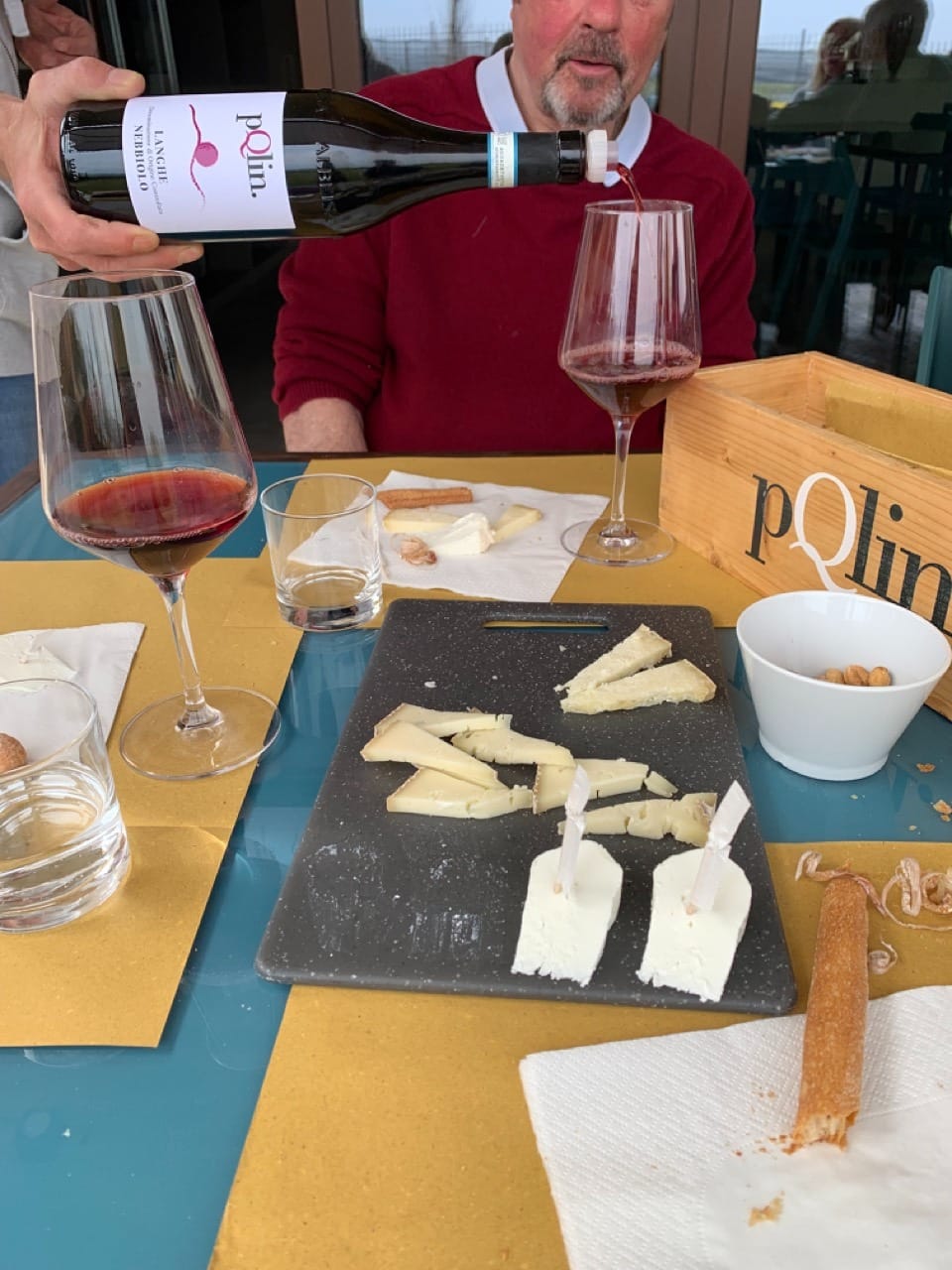
4. Roero DOCG
PQlin’s Roero DOCG spends between 16 and 18 months aging in oak barrels, which results in a deeper, more tannic yet smooth red wine with hints of ripe fruit.
It’s more structured than the Langhe Nebbiolo, which made it the perfect pairing for the aged Toma cheese.
5. Passì
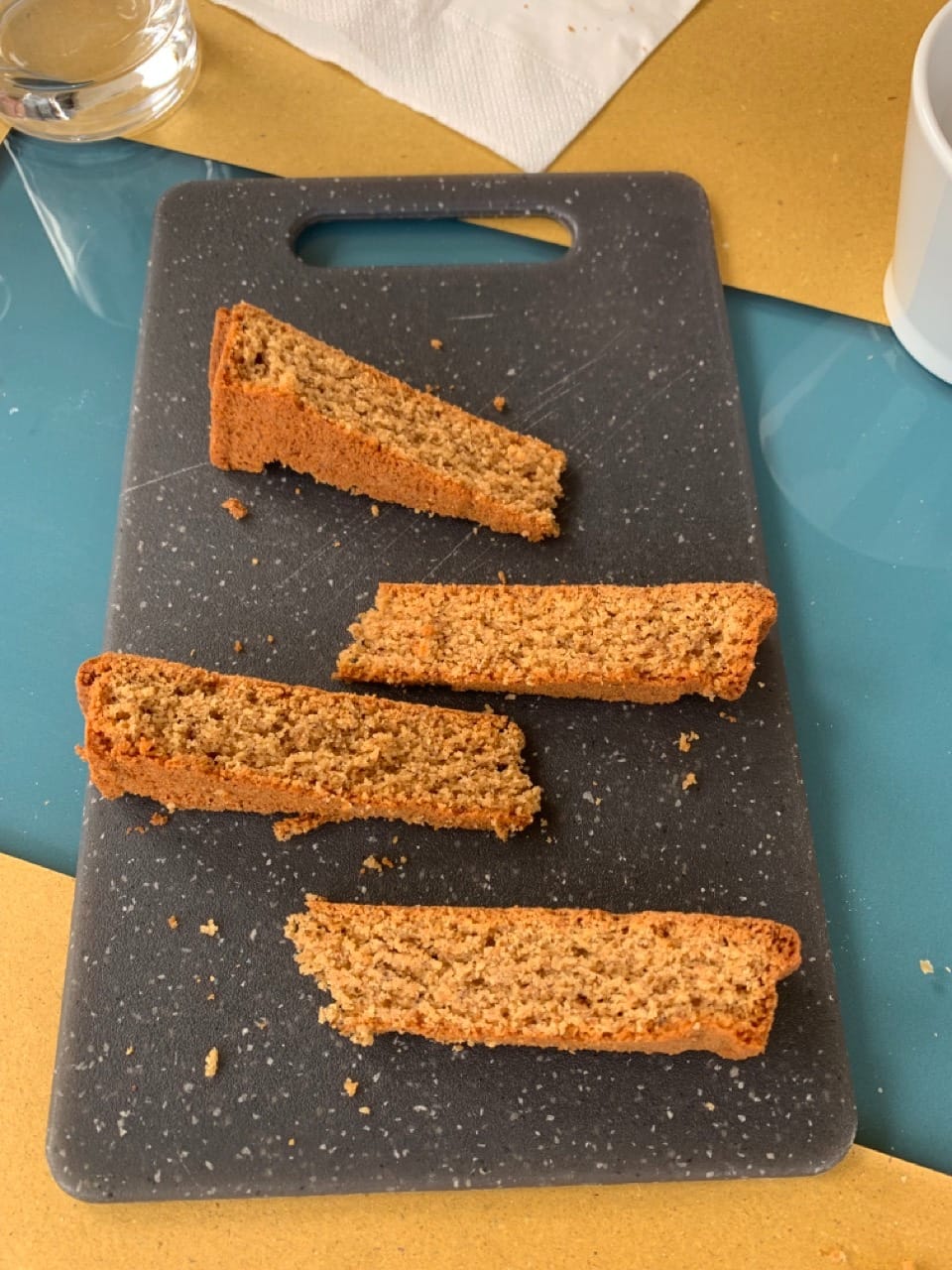
Passì is a dessert wine made from overripe white grapes and fermented in barrels. Despite its sweetness, it was pleasantly light, and retained enough acidity to offset the sweetness of the hazelnut cake (torta di nocciole).
Before leaving, we headed to the shop to pick up a few bottles and packets of hazelnuts. The winery provides boxes for ease of transport, and you can also opt for shipping if you don’t have room in your suitcase or don’t want to carry them.
Roero vs. Langhe: Which Should You Visit?
Langhe is where the “big name” wines like Gaja, Cerretto, and Fontanafredda are. While the hills are stunning and absolutely worth seeing, tourism has grown significantly since they became a UNESCO heritage site.
Peak season (mid-September to November) can be busy, with day trippers and bus tours jostling for space, although the shoulder seasons (spring, early summer, December) tend to be quieter.
Roero offers a lesser-known alternative, with more approachable wines, lower prices, and a lived-in feel that some Langhe towns have lost. It’s also the place to learn about the “other Nebbiolo”, Roero DOCG.
My advice? If you have time, visit both.
Wondering when to visit Piedmont? This guide will help you decide.
Victoria Peel-Yates
Roero Wine Tasting: What to Know Before Booking
Ready to book your Roero wine tasting experience? Here are the practical details you should know:
- Book ahead: Most small wineries require reservations.
- Language: Most wineries offer visits in English, but it’s worth checking before booking.
- Duration: A full tasting experience can last between 1.5-3 hours.
- Transportation: You need a car as there’s no public transport to most wineries. Don't drink and drive—designate a driver or book a tour.
- Timing: Spring and early summer are ideal; weekends book up fast in harvest season.
- What to wear: Casual but not beachwear. Cellars can be cool, so a jacket or cardigan is a good idea.
- Price expectations: €15-50 p.p. fo small winery tastings in Roero
- Visiting with kids: Italians love children, and most wineries are happy for you to bring kids along, as long as you let them know when booking.
- Etiquette: Arrive on time, don’t wear perfume (it affects the tasting experience), pick up a few bottles before you leave.
Is Roero Worth Visiting?
Our lazy afternoon at PQlin reminded me what wine is really about: not bouquets or tannins, but spending time together. Those moments are particularly precious for a family like ours—living across three countries, they don’t happen as often as we’d like.
The PQlin team made us feel so at home, it was almost like sitting in our own back garden, making memories we’ll treasure for years to come.
If that sounds like your kind of wine tasting experience, Roero—and PQlin—are well worth exploring.
Planning a trip to Piedmont but not sure how many days you need? These 10 itineraries adapt to your timeline.
Victoria Peel-Yates