A Vegetarian’s Guide to Piedmontese Cuisine
Don't panic! You have loads of options—from mushroom polenta to truffle risotto.

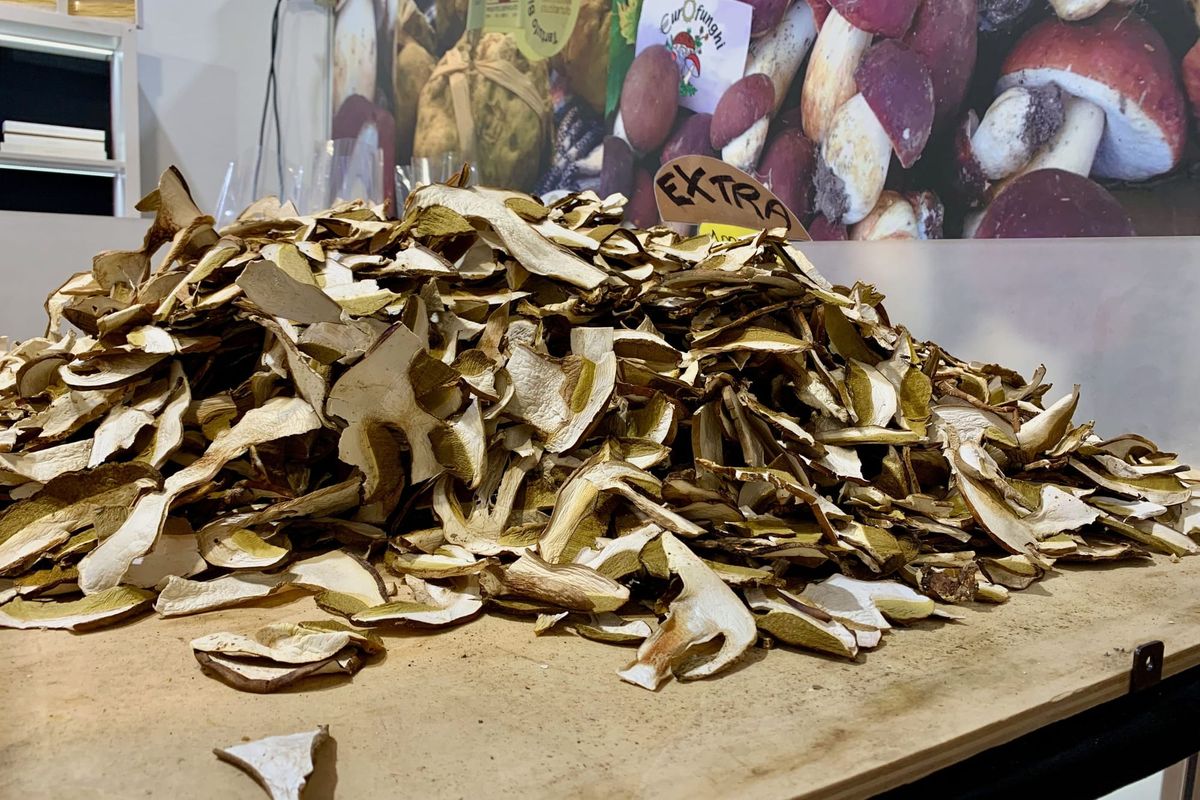
For my first six years of visiting Piedmont, I was vegetarian—a fact that often drew gasps of disbelief from strangers and sighs of exasperation from my Piedmontese in-laws.
It’s easy to see why: the region is celebrated for its meat-based cuisine, and if you’re vegetarian, you might be wondering whether to visit.
But you should—because even if the Piedmontese themselves don’t always realise it, many of their dishes are naturally vegetarian-friendly, and most restaurants are happy to accommodate you (though it helps to mention it when booking).
So whether you’re deciding on your next destination or you’ve booked your flight and are now slightly regretting it, rest assured: you won’t go hungry.
In fact, you can enjoy Piedmont as much as any meat eater—and this post will show you how.
Note: this guide is written for vegetarians and pescatarians. Vegans may struggle in Piedmont, where butter, cheese, and eggs feature prominently, although Turin is considered one of the most vegan-friendly cities in Italy.
Antipasti + Side Dishes
Let’s start at the very beginning: with the antipasti.
Piedmont is famous for its starters, which are often bountiful enough to constitute an entire meal. This is great news for veggies and pescatarians, as you can often have your fill before the pasta even arrives.
Here are some of the antipasti I’ve eaten at restaurants and in homes across the regions.
Insalata russa: The timeless cold vegetable salad in mayonnaise, served all year round. Every family has their own version, but the essentials—peas, carrots, potatoes—never change.
Giardiniera: A jar of summer preserved in vinegar—mixed pickled vegetables that are incredibly satisfying with cheese and bread.
Peperoni con bagnet vert: Roasted peppers topped with bagnet vert—a parsley, garlic, and anchovy sauce. It’s officially pescatarian, but you can ask if there’s a version without anchovies.
Sedano, noci e robiola: A salad of celery, walnuts, and soft cheese (usually Robiola but also sometimes Toma). It’s one of those things that sounds plain until you try it.
Peperonata: Stewed peppers, onions, and tomatoes, cooked slowly until everything turns silky and sweet. Served warm or cold, as an antipasto or side dish.
Carpione: This one’s for pescatarians. Traditionally, carpione means freshwater fish fried and marinated in vinegar, onion, and herbs—but the same method is used for vegetables, too. Zucchine in carpione often appears on restaurant menus during summer—if you see it, order it—it’s light, tangy, and delicious.
Pinzimonio piemontese: A platter of raw and boiled vegetables served with olive oil for dipping. Every region in Italy has a version, but Piedmont’s usually includes boiled onions and potatoes alongside raw fennel, celery, and peppers.
Bagna càuda: The famous warm dip of garlic, anchovies, and olive oil that people gather around in winter. It’s traditionally pescatarian, but some restaurants now offer bagna càuda senza acciughe (without anchovies), particularly if you order in advance.
Just like its landscape, Piedmont's cuisine changes with the seasons—this guide will help you decide when to visit.
 Victoria Peel-Yates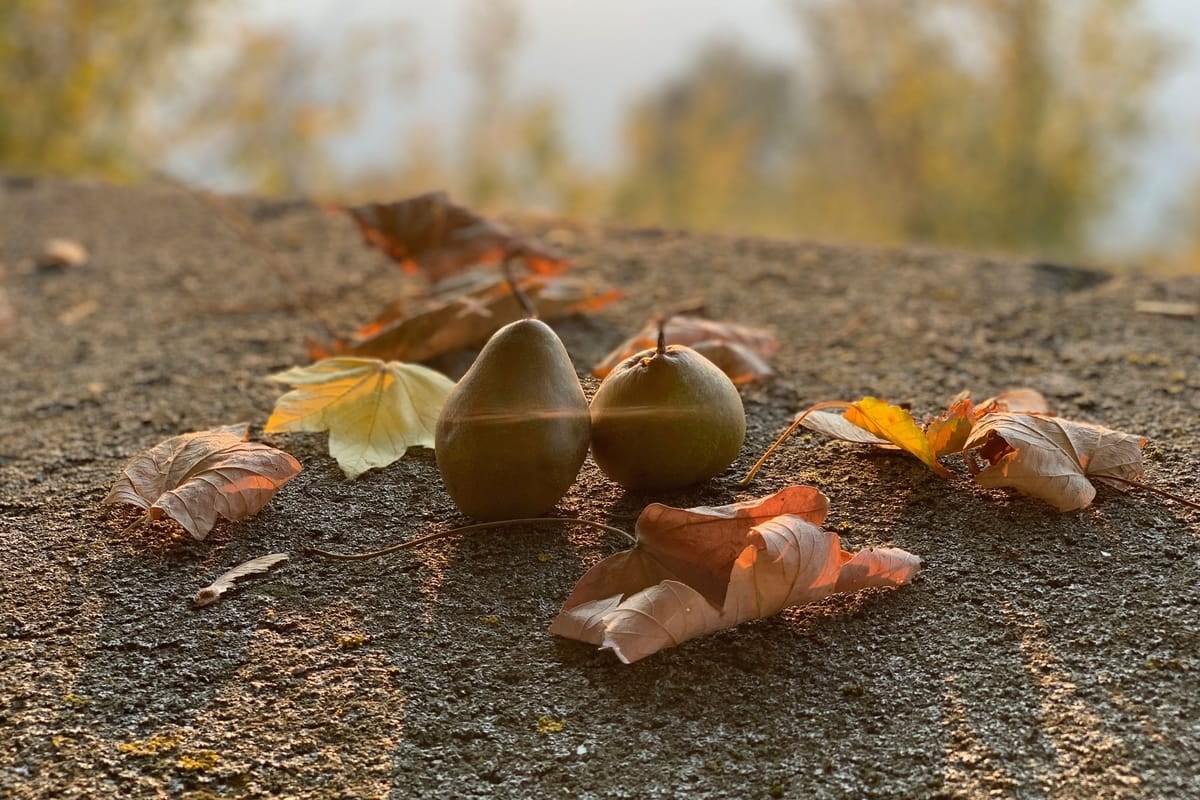
Pasta and Risotto
Piedmont’s pastas are soft, egg-based, and often come with meat-free toppings, and as Italy’s largest producer of rice, the region offers a number of vegetable-based risottos for you to try.
As a vegetarian, you may find they become your go-to staples in Piedmont.
Gnocchi al Castelmagno: Soft potato dumplings coated in a sauce made from Castelmagno cheese. It’s sharp, salty, and perfect on a chilly evening in the hills.
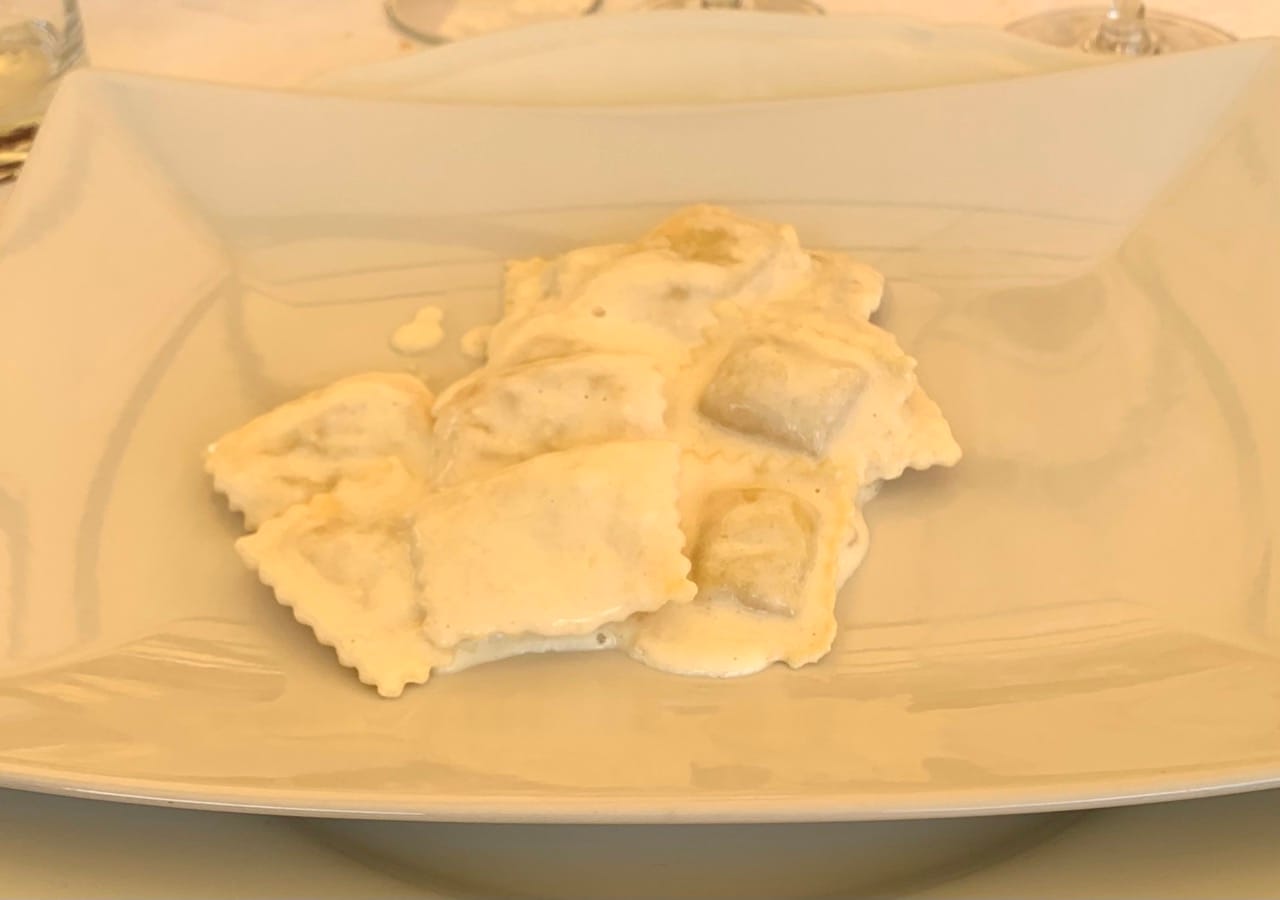
Agnolotti al plin del magro: The vegetarian version of Piedmont’s famous hand-pinched pasta parcels (plin means “pinch”). Instead of meat, the filling is made from seasonal greens. They’re often served with butter, sage, Parmesan—and white truffle, when it’s in season.
Visiting during truffle season? Here's everything you need to know about the truffle festival in Alba.
 Victoria Peel-Yates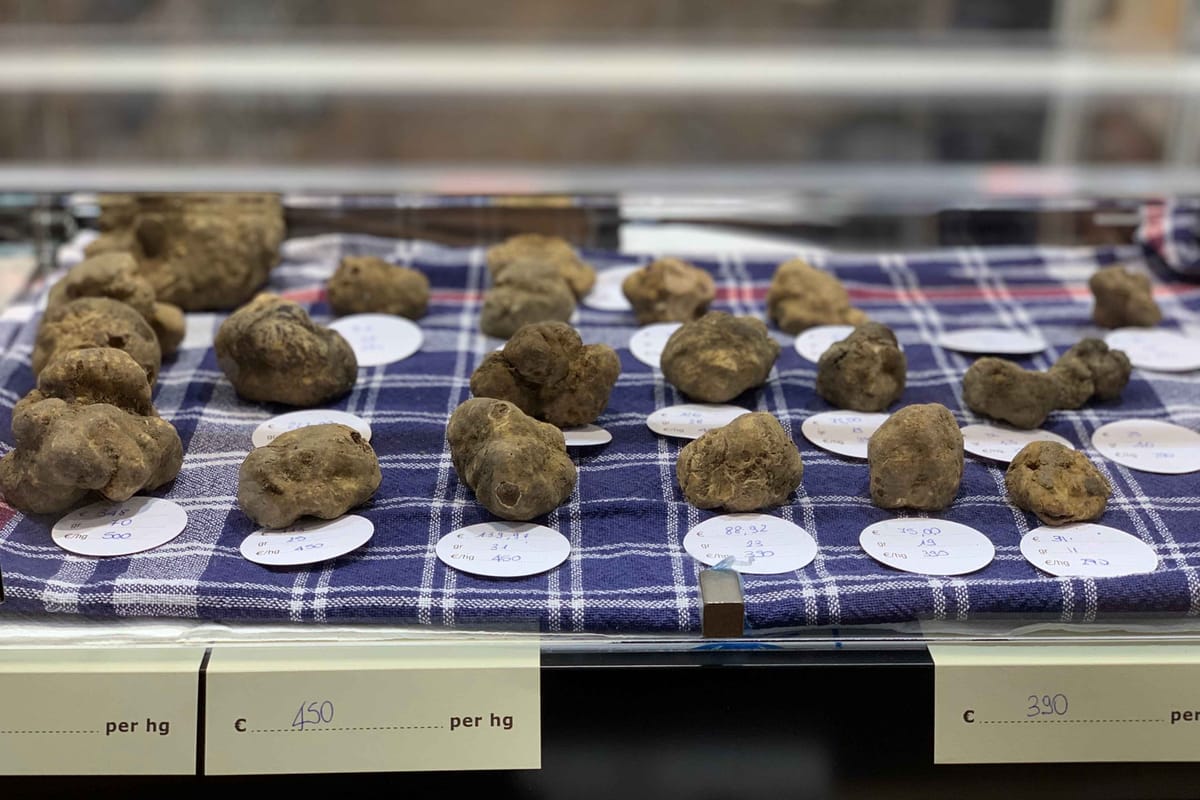
Tajarin burro e salvia (+ tartufo): Thin golden pasta strands made with egg yolks. The simplest version is just butter and sage, but in autumn you’ll often find it topped with shaved white truffle.
Risotto is a cornerstone of Piedmontese cuisine. Here are some classic vegetarian versions you might come across:
- Risotto al Barolo: Tinted deep red with Barolo wine, its flavour is robust and comforting. Check it’s made with vegetable stock, as some kitchens use meat broth by default.
- Risotto ai funghi: Earthy and aromatic mushroom risotto, often made with porcini when they’re in season.
- Risotto alla zucca: Creamy pumpkin risotto, subtly sweet and finished with butter and Parmigiano.
- Risotto al Castelmagno: Another ode to the region’s famous blue-veined cheese.
- Risotto al tartufo: When truffle season arrives, this is the one to order—silky rice, butter, Parmesan, and shaved white truffle make this dish simple but decadent.
Piedmont loves to celebrate its produce—from asparagus to peppers, there's a festival for everything. Join the festivities with these 19 food and wine festivals.
 Victoria Peel-Yates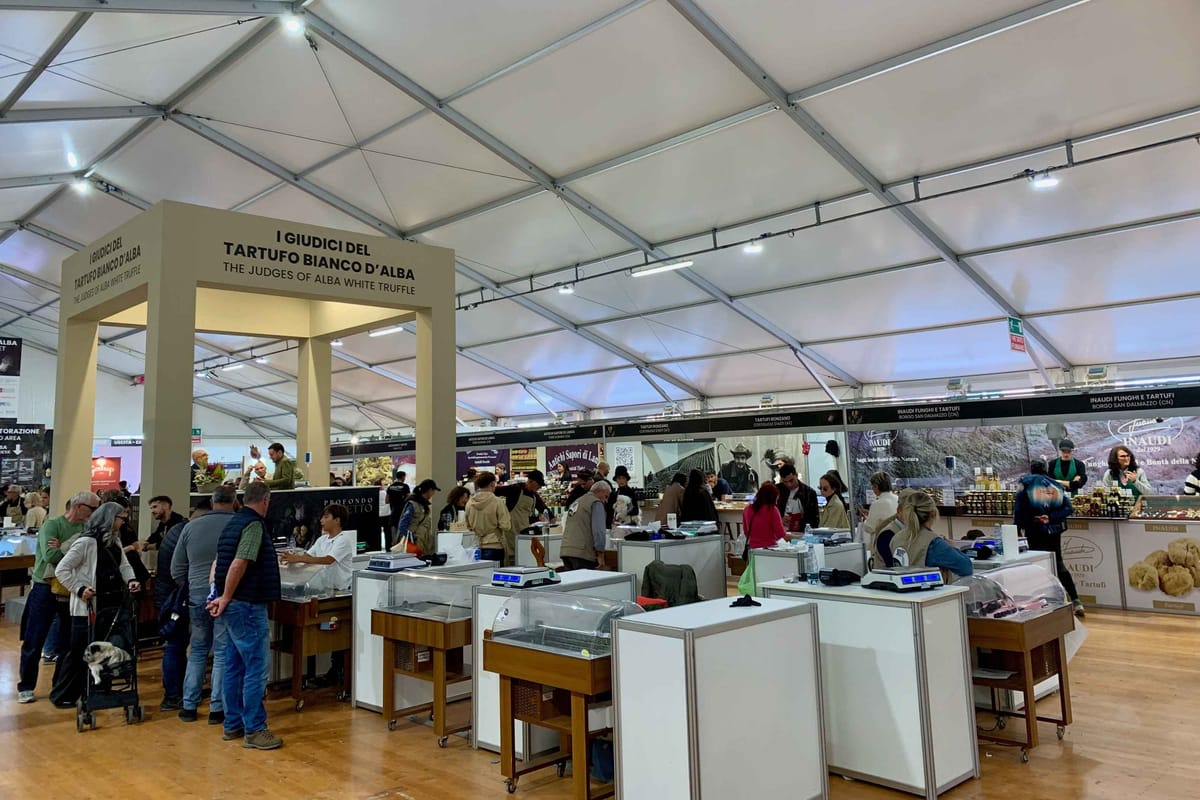
Polenta
Fun fact: People from the south of Italy sometimes call northerners polentoni—“polenta eaters.” It’s fair enough—in Piedmont, polenta (cornmeal) is practically a religion.
While it’s often served with meat-based sauces, there are plenty of meatless versions that focus on local cheeses and mushrooms.
Polenta con Gorgonzola: The creamy Gorgonzola melts into the warm polenta until it’s almost fondue-like.
Polenta burro e Parmigiano: Butter, Parmesan, and perfectly cooked polenta. Simple but beautiful.
Polenta concia alla piemontese: Loaded with butter, Fontina, and Toma cheeses. You’ll see it more often in Biella and the Aosta Valley, but it’s firmly part of Piedmont’s cold-weather repertoire.
Polenta con funghi: Earthy mushroom ragù spooned over soft polenta.
Wanting to visit Piedmont but short on time? Get 10 itineraries that adapt to any schedule—from three days to two weeks.
 Victoria Peel-Yates
Fritto Misto Piemontese + Cheese Course
Fritto misto piemontese is a mixed fry that’s traditionally a little bit of everything: meat, sweet semolina, and fruit dipped in batter and fried until golden. It’s a local institution that’s usually served as a main course and shared.
The good news for vegetarians is that many restaurants will happily make a vegetable-only version—think fried zucchini, cauliflower, apples, and even amaretti biscuits.
And then, just when you think you can’t eat any more, the cheese arrives.
In Piedmont, meals often end with a cheese course—and the variety is extraordinary. There are more than 30 types produced across the region, but here are a few to look out for:
- Castelmagno (DOP): Crumbly, tangy, often served with gnocchi or risotto.
- Toma piemontese: Semi-hard mountain cheese with a mild nutty flavour.
- Robiola di Roccaverano: Soft goat’s cheese from the Langhe hills.
- Raschera: Alpine cow’s milk cheese, great melted over polenta.
- Bra tenero: Young, mild cow’s cheese from the town of Bra.
Soups & Stews
When the fog settles in and the mountains turn white, there’s nothing better than a steaming bowl of soup. These dishes are simple by design, made from whatever was on hand in farmhouse kitchens.
Minestra di verdure: A humble vegetable soup that changes with the seasons. Every family has its own way of turning garden leftovers into something comforting and delicious.
Zuppe di legumi: Thick bean or lentil stews that reflect the region’s rural roots. Eaten with a drizzle of olive oil and a slice of local bread, it’s food that warms you from the inside out.
Still not sure if Piedmont is for you? Here's an overview of the best things to see and do.
 Victoria Peel-Yates
Sweets & Desserts
If you still have room after all that cheese and polenta, Piedmont’s desserts are every bit as rich and comforting as the rest of its cuisine. Many are naturally vegetarian, though it’s always worth checking whether gelatin has been used.
Bunet (Bonèt): A dense chocolate and amaretti custard baked in a caramel-lined mould. Made with eggs, milk, and cocoa, it’s vegetarian as long as no gelatin is added.
Zabajone (Zabaglione): A frothy, golden pudding made by whisking egg yolks, sugar, and Marsala or Moscato wine over gentle heat.
Panna cotta: Smooth, silky, and often served with a drizzle of berry coulis. The traditional version uses gelatin, but some restaurants now make it with agar-agar, which keeps it vegetarian-friendly without losing that perfect wobble.
Torta di nocciole: A rustic hazelnut cake from the Langhe, made with the region’s famous nocciole del Piemonte IGP. It’s naturally flourless, rich with toasted nuts, and pairs beautifully with a little whipped cream or Moscato d’Asti.
Gianduja/gianduiotti and pralines: Piedmont’s proud chocolate tradition. Many gianduja chocolates and pralines centre a whole roasted hazelnut or a dense hazelnut paste. They’re distinctly Piedmontese and dangerously moreish.
Eating Vegetarian in Piedmont Isn’t as Hard as You Think
With antipasti galore, creamy pastas, rich risottos, and more cheese than a Hallmark movie, Piedmont makes an excellent destination for vegetarian foodies.
And if all else fails, try ordering a fried egg topped with white truffle—simple but delicious.
Ready to pack your bags and head to Piedmont? This travel guide will help you plan your trip.
 Victoria Peel-Yates