How to Plan Your Perfect Wine Tasting Trip to Piedmont
Unlike Napa or Barossa, most wineries don't accept walk-ins.


Some of the links in this post are affiliate links. This means I may earn a small commission if you make a booking at no extra cost to you.
So, you’re heading to Piedmont, and you want to know how to plan your perfect wine-tasting experience.
Unlike the large winery visitor centres you might find in regions like Napa or Barossa that offer walk-in tastings and tours, most of Piedmont’s wineries are small and family-run. Booking ahead is usually required, and planning is key to making the most of your trip.
In this guide, I’ll cover everything you need to know to plan your wine tasting in Piedmont—from choosing the best wine regions to budgeting, transportation, and etiquette, with tips based on my own experiences.
Wondering when to book your wine tasting trip? Here’s a guide to the best times to visit Piedmont.
 Victoria Peel-Yates
1. Visiting Piedmont’s Wineries: What to Expect
Wine tasting in Piedmont usually involves visiting small producers for guided tastings that include several wines, often paired with local cheese or charcuterie.
The Piedmont wine region is made up of several distinct areas, each producing different styles of wine. When planning a wine tasting trip to Piedmont, choosing a main base or focus region simplifies planning.
Here’s an overview of the main wine areas:
Langhe
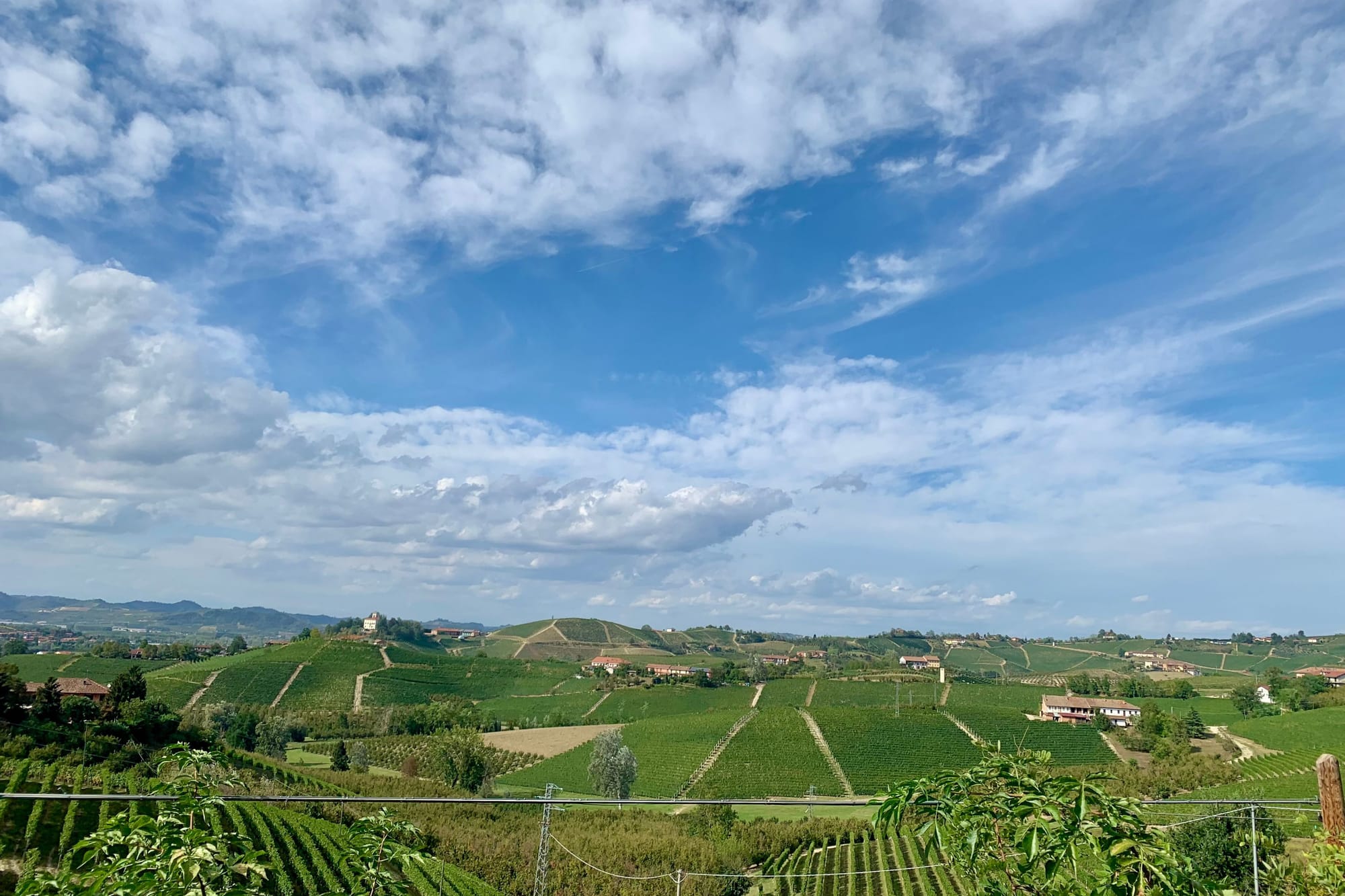
The UNESCO-listed Langhe hills are Piedmont’s most famous wine region, known for Barolo and Barbaresco wines. Picturesque villages like La Morra, Monforte d'Alba, and Neive are charming and packed with visitor-friendly wineries.
Tasting fees tend to be higher here, and its popularity means it can get busy during peak seasons like spring weekends, early summer, the vendemmia (grape harvest), and truffle season.
Read about my one-day road trip through the Langhe.
 Victoria Peel-Yates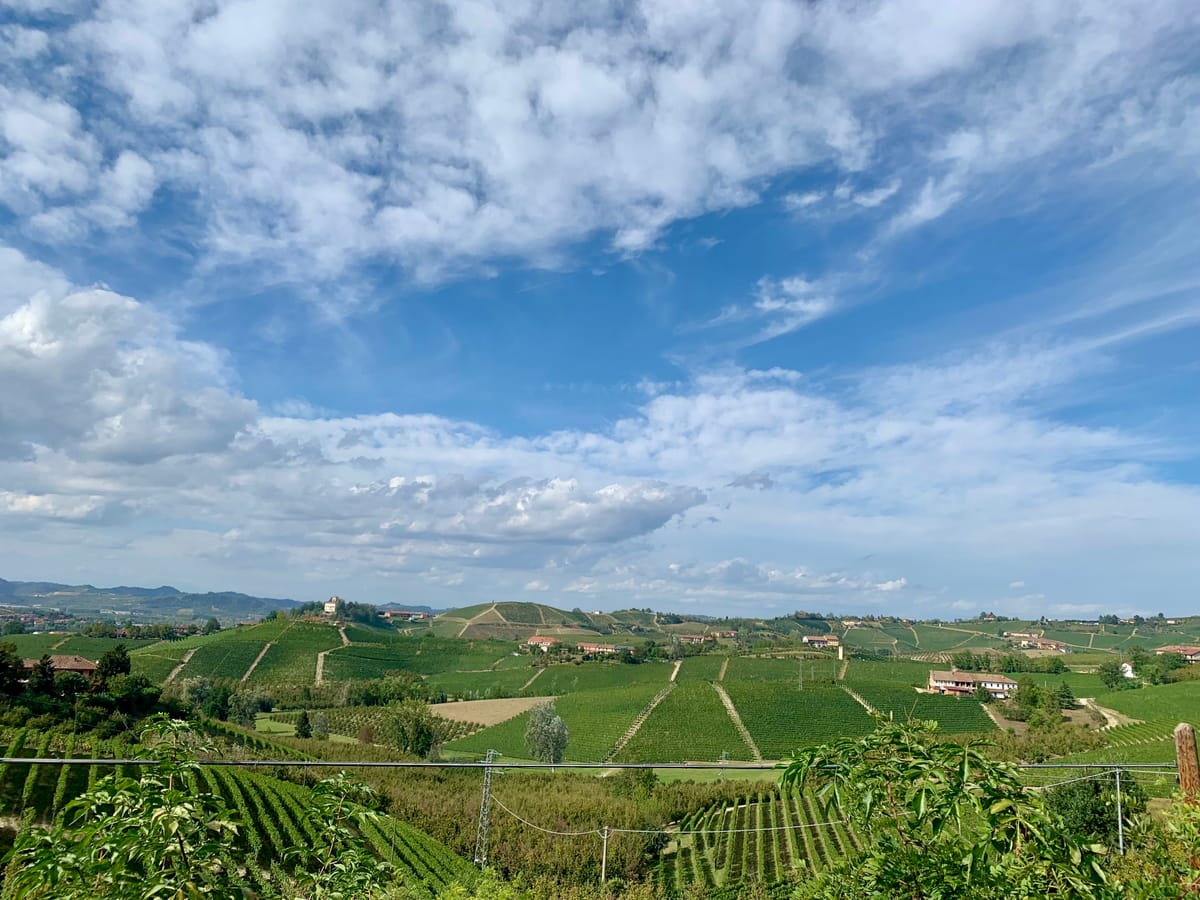
Roero & Monferrato
Across the Tanaro river lie the gentler hills of Roero and Monferrato—more relaxed than the Langhe, visitors often overlook them. But both regions offer high-quality wines, rustic trattorie, historic villages, and scenic rural vistas, with the Alps as a constant backdrop. Monferrato also features ancient infernòt—underground wine cellars carved into stone.
Alto Piemonte
North of Turin, Alto Piemonte is home to high-altitude Nebbiolo wines such as Prünent, Ghemme, and Gattinara. Gattinara is sometimes called the “wise man’s Barolo” because of its similar aging potential but earlier drinkability, while white wine lovers will enjoy local Erbaluce.
This region is ideal for those seeking fewer crowds and can be combined with visits to Piedmont’s lakes (Orta and Maggiore), Val d’Aosta, or even Switzerland.
2. What’s Included in a Wine Tasting in Piedmont?
Most wine tasting tours follow a similar format: an introduction to the winery, followed by a vineyard and/or cellar visit, and a guided tasting.
The number of wines usually ranges from three to six, and some include cheese and charcuterie platters or lunch, while others charge separately for food.
Some producers offer experiences that go beyond your standard wine tasting, ranging from vineyard picnics to Relais San Maurizio’s Wine Therapy, where guests take steam baths in old Barolo barrels.
3. How Much Does Wine Tasting Cost in Piedmont?
Wine tasting prices range widely in Piedmont. For my 40th birthday, I booked a wine tasting experience at Pqlin winery in the Roero for €15 per person, with five wines and a tasting platter included. At the higher end of the spectrum, I’ve seen larger Barolo wineries offering experiences at €60 per person for a tasting.
As well as the price of the tasting itself, you’ll need to factor in transport costs, wine purchases, and lunch.
4. How Many Wineries Can You Visit in a Day in Piedmont?
Most tastings last one-two hours, including estate and cellar tours. For a day trip, visiting one or two wineries and one nearby village allows time for lunch, scenic stops, and soaking in the atmosphere without feeling rushed.
Visiting Piedmont is about slowing down and tuning into the natural rhythms of the land, rather than trying to squeeze as much in as possible.
Example Wine Tasting Day Itinerary in Piedmont
I recommend focusing your wine tasting day around just one village—especially if you intend to visit two wineries in a day. This allows you to get to know one area deeply and minimises travel time between stops.
Here’s an example wine tasting itinerary for Piedmont:
- 9-10 am: Breakfast at accommodation
- 11 am: First winery visit and tasting
- 1 pm: Lunch in a village trattoria or local agriturismo
- 3.30-4.30 pm: Village exploration or scenic drive through the hills
- 5 pm: Second winery visit and tasting
- 6.30 pm: Return to accommodation
- 7.30 pm: Dinner (if you're still hungry)
5. How to Get Around the Piedmont Wine Region
Planning for Piedmont means preparing for hills. There are a lot of them, and they stand between you and your next winery visit.
Since public transport is virtually nonexistent, the three main options are driving yourself, hiring a private driver or guide, joining a group tour, or visiting urban wineries.
Need more support with logistics? Read how to get around Piedmont by car, train, and bus.
 Victoria Peel-Yates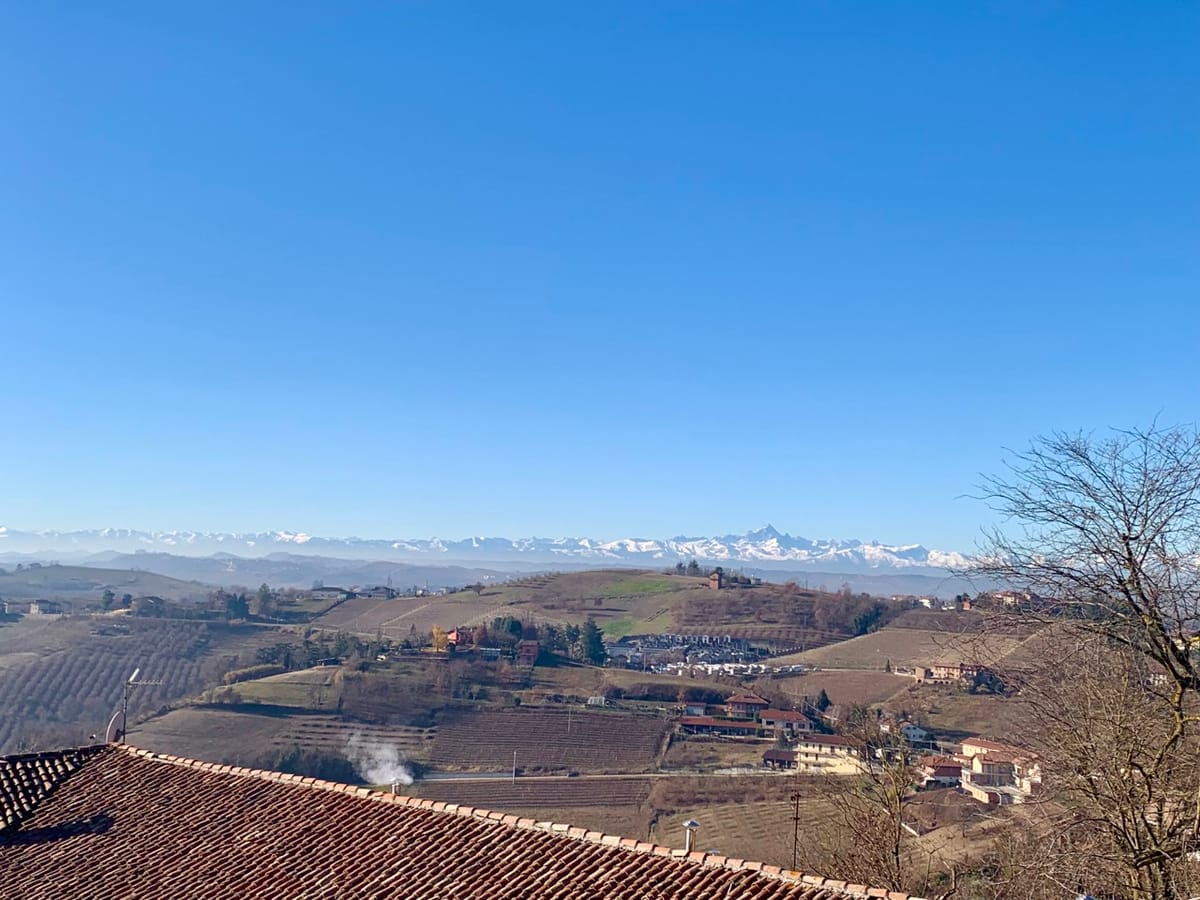
Driving Yourself
Renting a car gives you the most flexibility, allowing you to explore the hills and vineyards freely. Wineries have car parks for visitors, and having your own car provides total independence.
Just be careful not to drink and drive—the legal limit in Italy is 0.5 g/l, and anything over that can result in hefty fines—so the driver can taste, but they’ll have to spit.
Hiring a Driver or Private Tour
Many visitors choose to hire a driver for the day, which provides the same freedom and flexibility as driving yourself, but with the added advantage that everyone can drink risk-free.
Visiting Wineries Without a Car
One of the easiest ways to experience wine tasting without a car is by joining an organised wine tour. Many of these tours depart from the centre of Alba or Turin and include village visits and lunch.
While this takes the stress of organisation and logistics out of your hands, it also means you can’t choose which or how many wineries you’ll visit.
Alternatively, head to one of the region’s urban wineries like Pio Cesare in Alba, Cantine Ascheri in Bra, or UCCI Winery in Collegno.
6. Should You Book Wine Tastings in Advance?
Visiting Piedmont wineries usually requires booking in advance because most only open their cellars for pre-scheduled visits. Although walk-ins are sometimes possible in the larger wineries, they’re not the norm in the region.
Booking ahead also guarantees availability, especially during peak seasons like spring weekends, early summer, and autumn. Some experiences, like vineyard picnics, are often booked out several months in advance.
While it is possible to book directly with individual wineries, I prefer using Winalist to compare experiences, availability, and prices in one place, saving me hours of research. For guided tours with transport included, GetYourGuide offers a range of reliable options.
7. Where to Eat in Piedmont Wine Country
In Piedmont, lunch is a main event that can last several courses—and hours. If you want to revel in a long, leisurely lunch the way the locals do, I recommend starting your day with a tasting and then leaving the rest to enjoy lunch and laid-back village exploration.
The region offers everything from traditional trattorie to farm-to-table agriturismi and fine dining—including several Michelin-starred restaurants.
Insider tip: Local favourites in the Langhe include Locanda d’Batista in Diano d’Alba and La Terrazza di Renza in Castiglione Falletto.
Looking for a stylish vineyard stay? These are the 10 best luxury hotels in the Langhe.
 Victoria Peel-Yates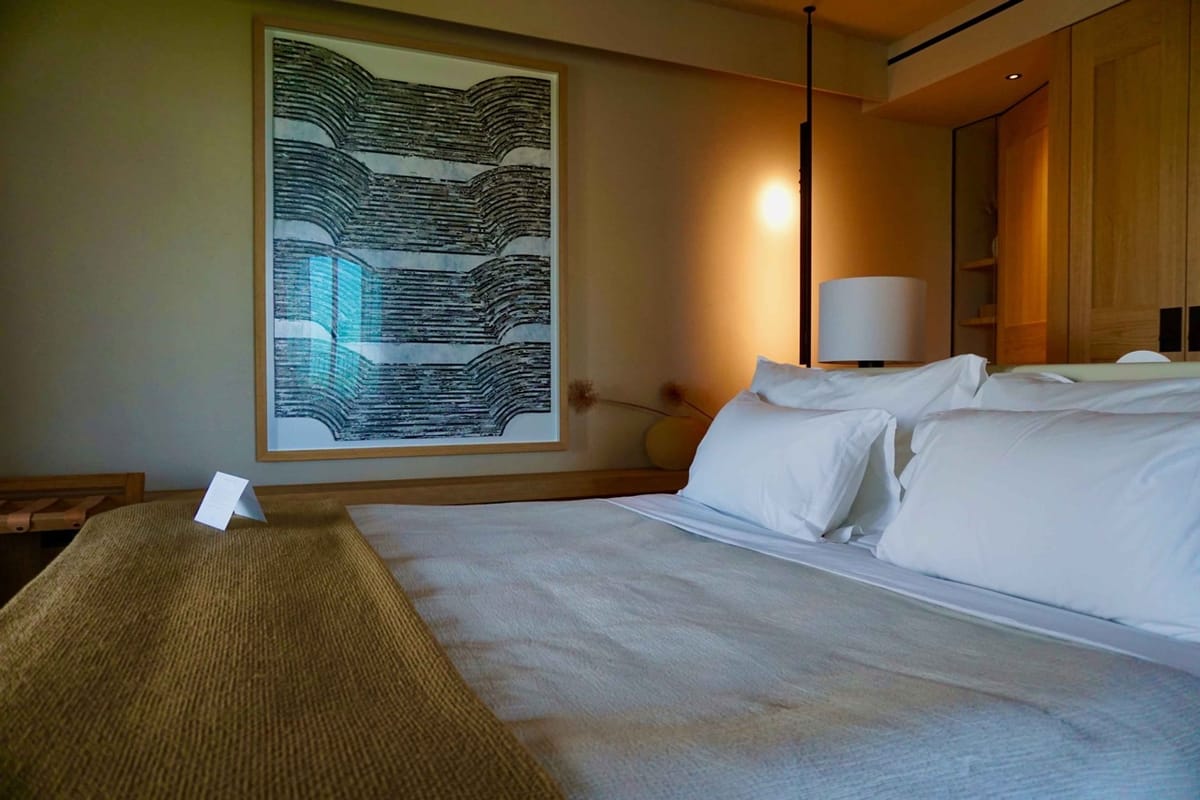
8. Wine Tasting Etiquette: What to Know Before You Go
If you’ve never visited a winery before, it helps to know a few basics of wine tasting etiquette.
- Arrive on time—wineries often schedule tight slots.
- Respect off-limit areas and follow your tour guide. Don’t wander into areas where you’re not invited.
- Listen before you speak—your guide will probably answer your question before you ask it.
- Spitting vs. drinking: it’s perfectly acceptable to spit some of the wine, especially if you are tasting five or six wines. Know your limits and avoid getting drunk.
- If your tasting doesn’t include food, eat something before you go.
- Children are welcome in most wineries, but under-18s can’t taste. Notify the winery when booking if you plan to come with children.
- Consider buying a bottle or two if possible; some wineries offer international shipping options.
- Put your phone away—unless you’re taking photos, your full attention should be on your guide and the experience.
Your Dream Wine Tasting Trip to Piedmont Starts Here
When you’re standing on a terrace overlooking Piedmont’s vineyards, swirling a glass of Barolo while a local producer explains the wine in your glass, you’ll be glad you took the time to plan your tastings in advance.
Experiences like this are one of the highlights of visiting the region, but many wineries require advance reservations, and arranging tastings directly with individual estates can take a bit of research.
When I’m planning wine tastings in Piedmont, I often use Winalist because it makes it easy to compare different experiences and availability in one place.
Browse wine tastings in Piedmont: