Piedmont Itinerary for Kids: 10 Days in a 1,000-year-old Village in Val Tanaro (and the Ligurian Valleys Next Door)
Make fresh pasta, harvest hazelnuts, and learn from local nonni.

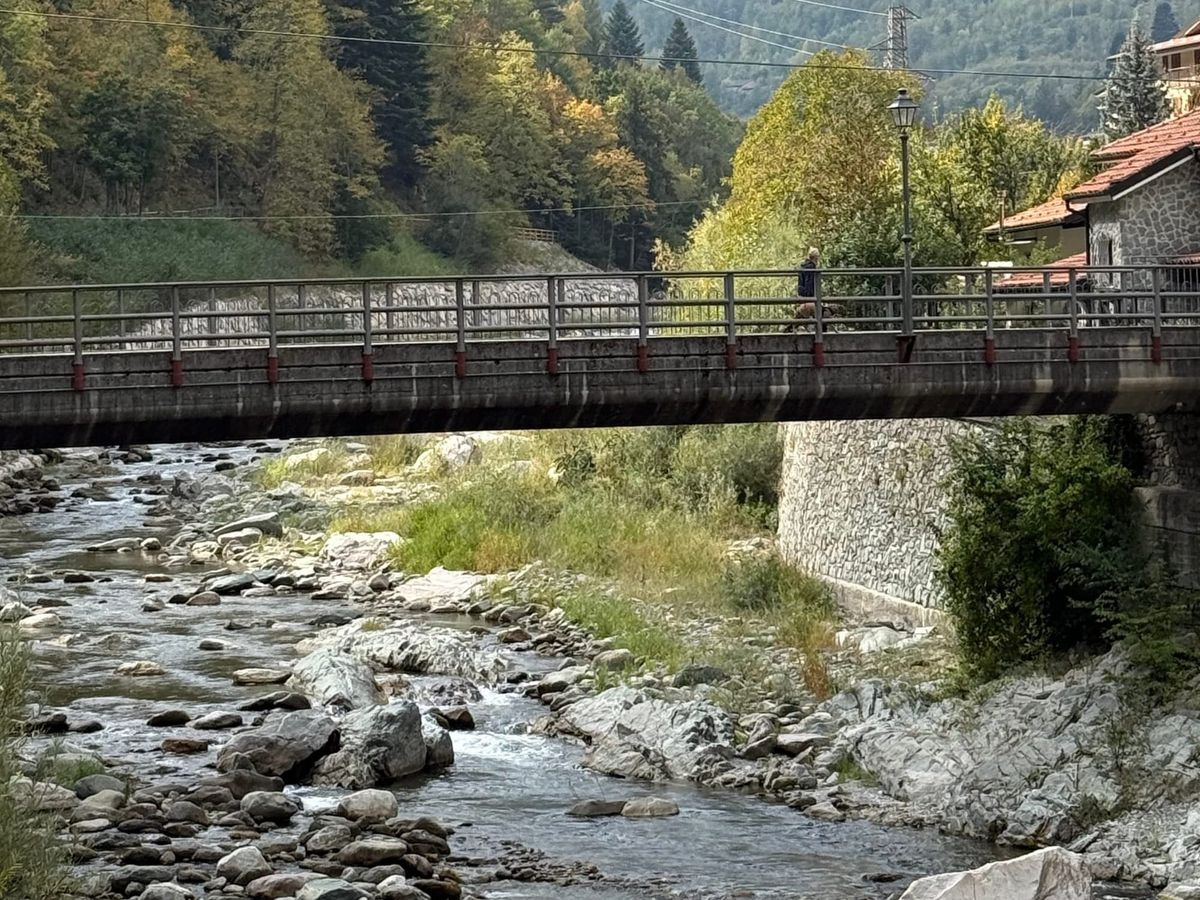
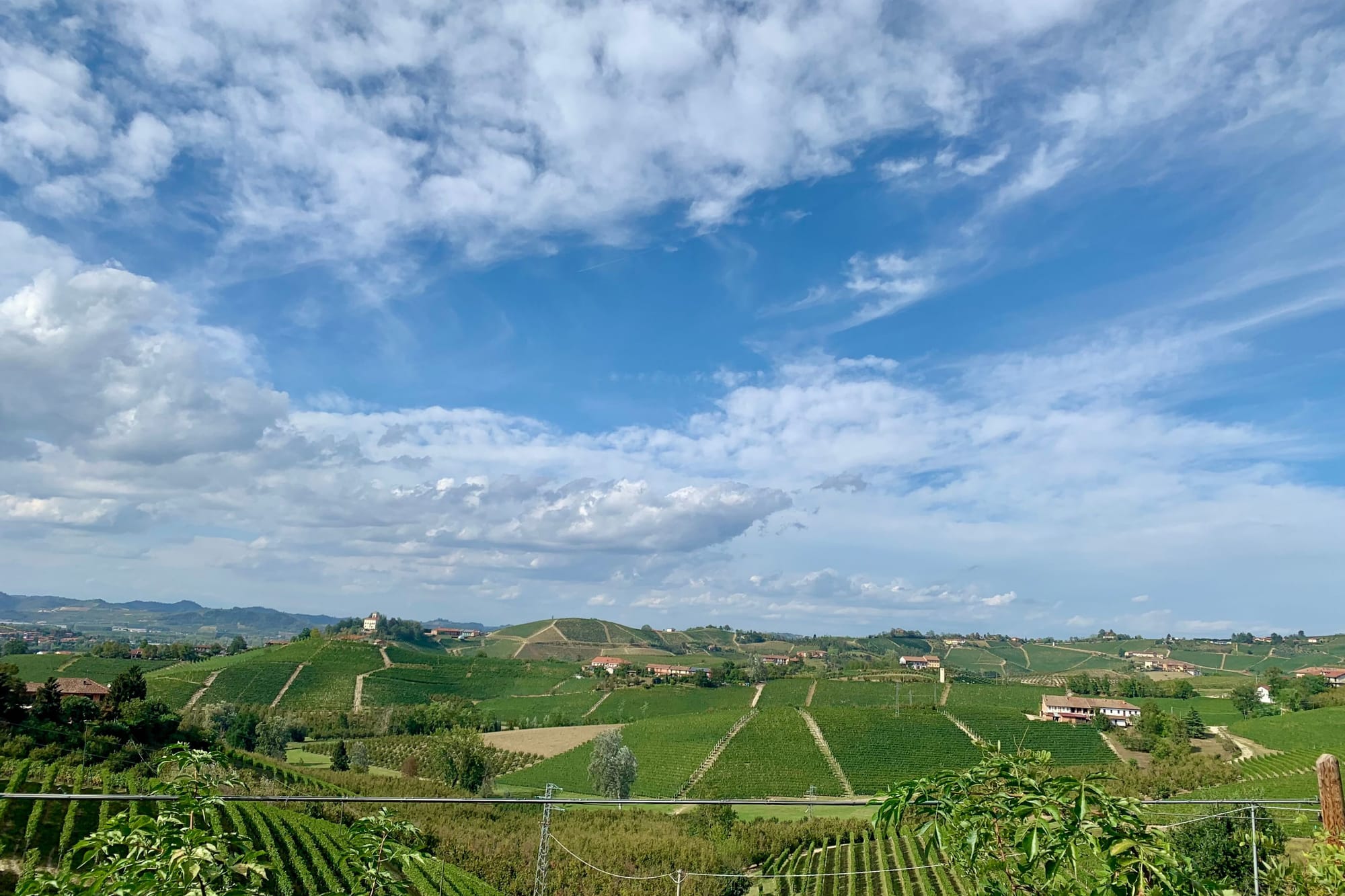
Most families who plan Piedmont with kids look at Turin and the wine hills of the Langhe. I want to tell you about a quieter corner of the region: Ormea, a 1,000-year-old village of about 1,500 people in the upper Val Tanaro, in the Province of Cuneo.
The river runs below the old town, the castle sits above it, and you can be on a mountain trail ten minutes after leaving the café. And because Ormea sits right on the Ligurian border, the olive valleys, medieval villages and the sea are all within reach.
We first came as a family in May 2026. In October, we came back with other families for ten days. Fifteen of us, from Cuba, Hawaii, Las Vegas, Florida and Australia, lived in the village, ate in its bars, and walked its paths every day.
This guide is what I learned about the valley with small children: what kids actually do here, the Ligurian villages we love just over the mountains, where to stay, how to get around, and when to come.
Why Ormea Works with Small Children
Ormea is small enough to walk end to end, and children get a kind of freedom here that’s hard to find in a city. One parent wrote to me afterwards: "I loved that the kids could just run around the town’s streets, and how welcoming everyone was towards the children."
You stay in one place, so nobody packs a suitcase every morning. Kids see the same faces every day, at the bar, in the piazza, and on the trail, and that’s how friendships start. When you want a change of scene, the market town of Garessio is down the valley, and the Ligurian coast is about an hour away.
What Kids Can Do in Val Tanaro
Walk Straight Out of the Village
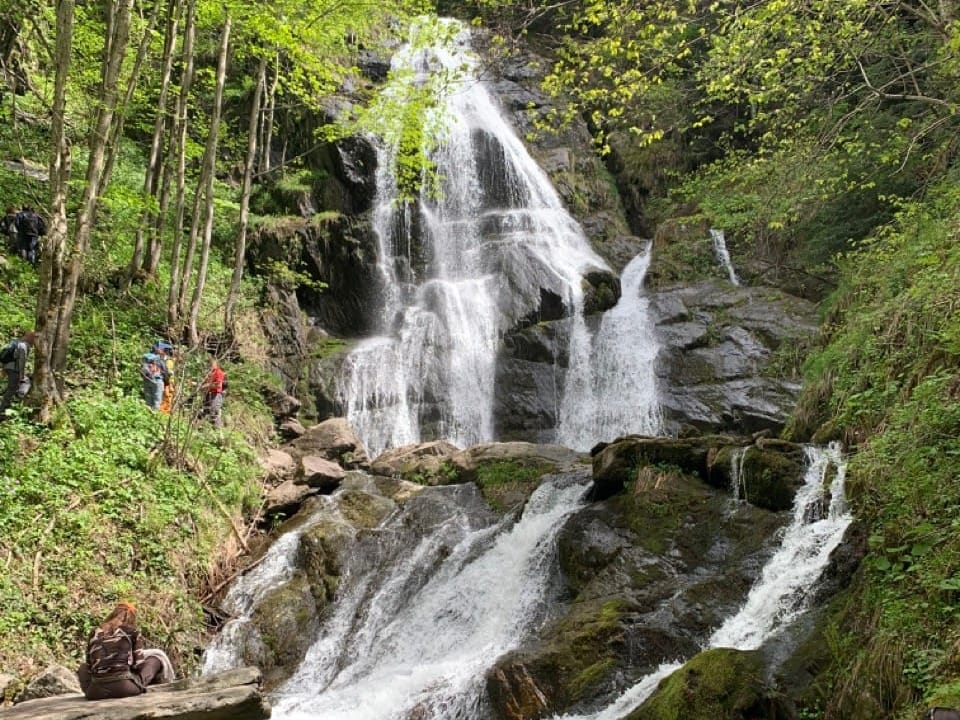
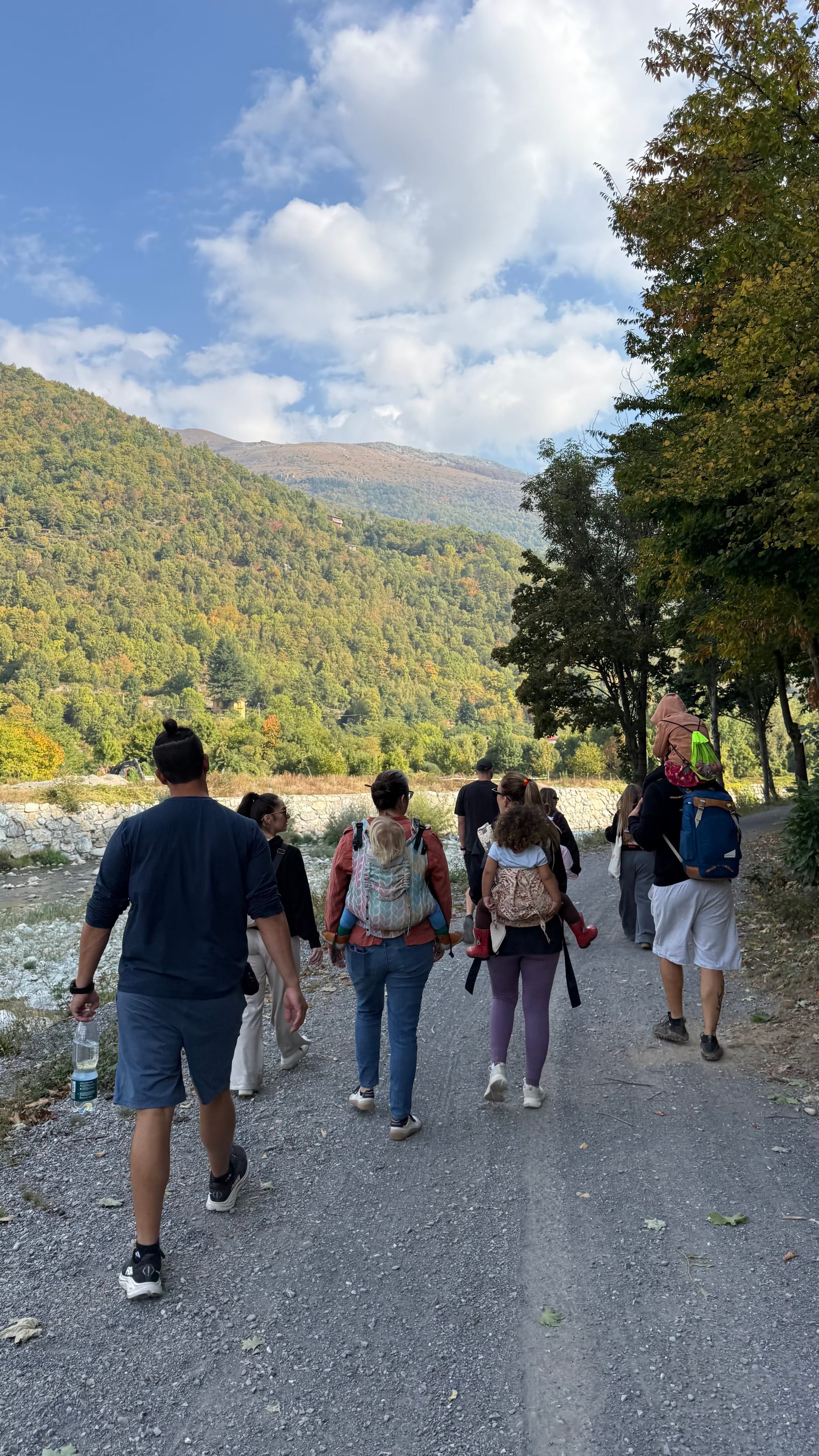
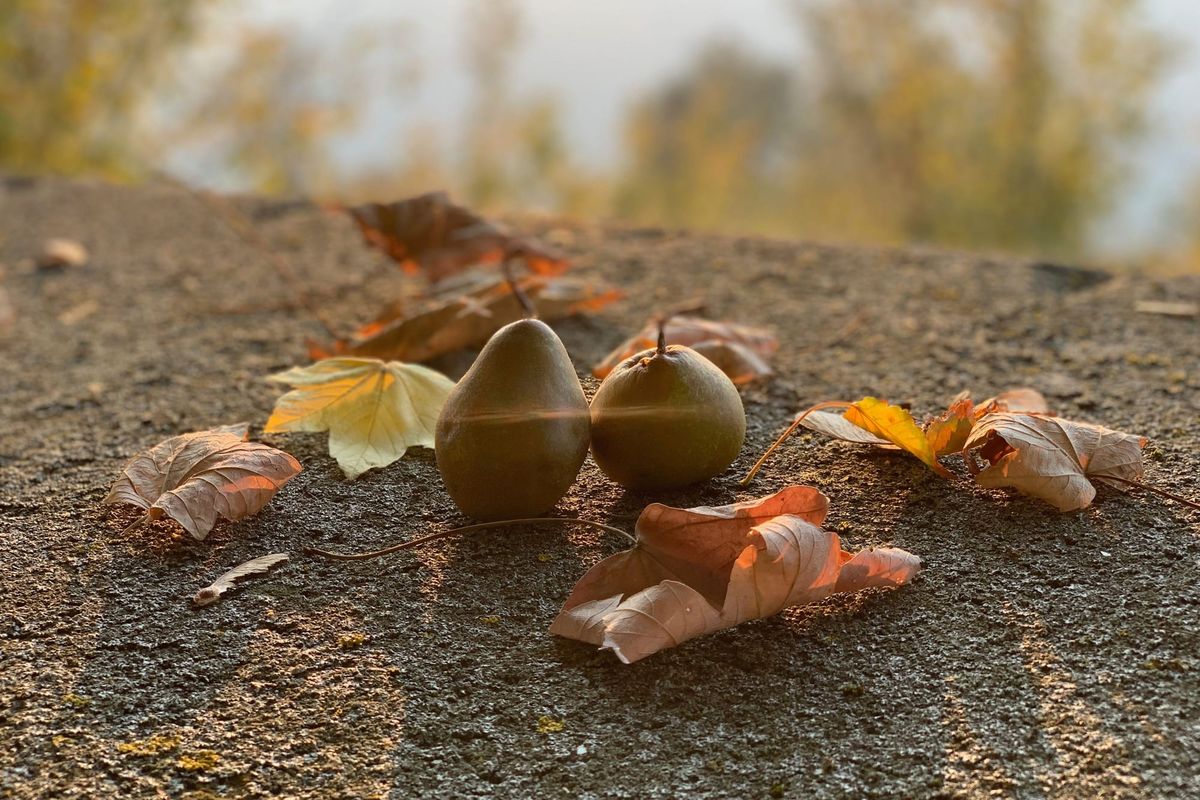
Many trails start about ten minutes from the café, and plenty of them are flat and easy along the river. On our first afternoon, we walked the path to the Scuola Forestale, the local forestry school. There is a playground on the way, and in autumn the children picked pears, apples, and pine cones as they went. The walk up to the castle above the village is short, with views over the old town. Bring a carrier for the littlest ones.
Looking for more family-friendly mountain walks in Piedmont? The Pesio Valley is just an hour from Ormea and offers accessible hiking trails for kids.
 Victoria Peel-Yates
Make Fresh Pasta with People from the Village
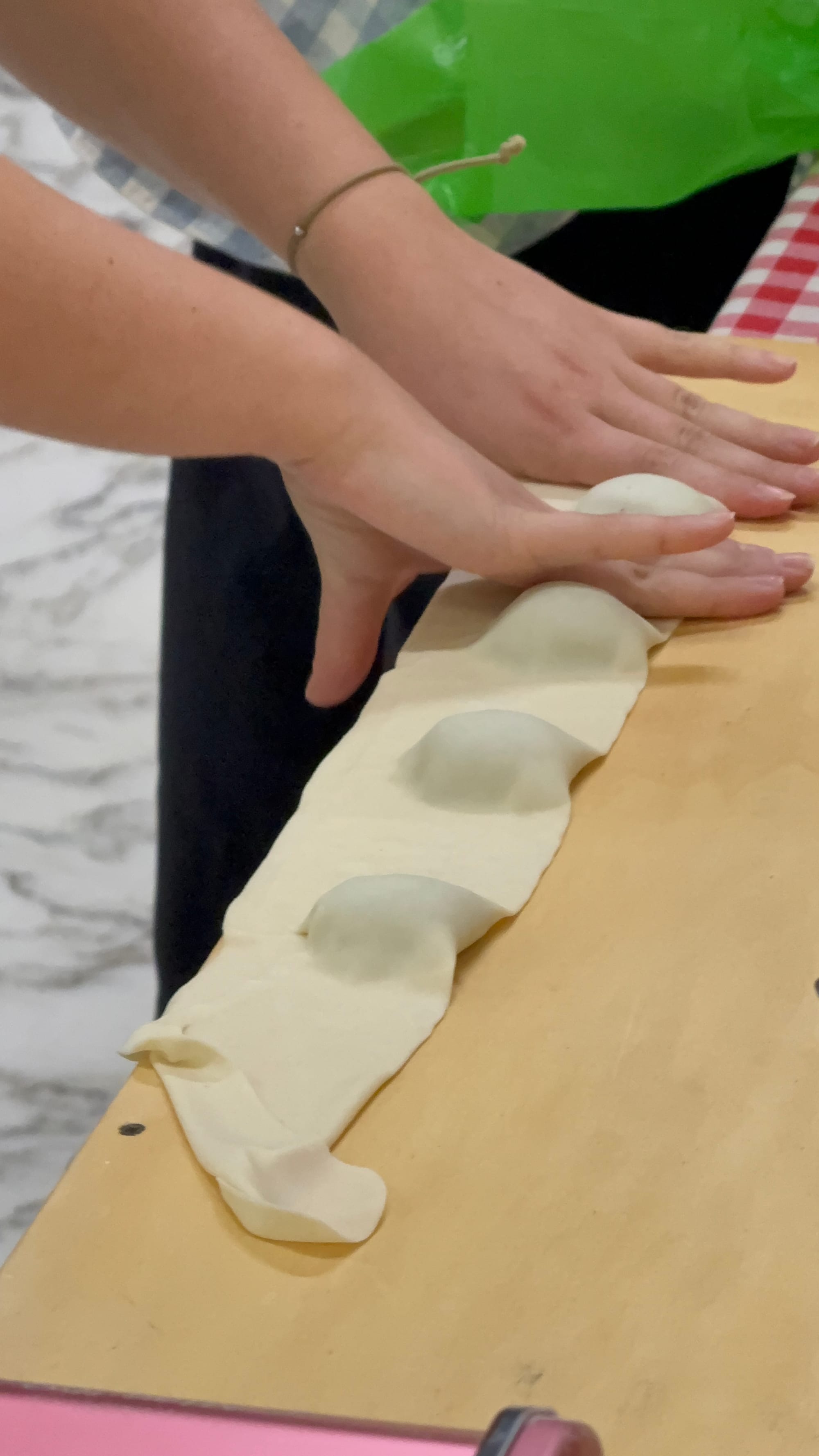
Ask any of the children what they loved most and they will tell you about the pasta class. Martina Burlini is a chef trained at ALMA who learned pasta from her own nonna. Anna Castagnino is a farmer who makes Ormea cheese, and has been making pasta her whole life. Together they taught every family, from the two-year-olds to the parents, to make fresh pasta by hand. Some shapes were perfect. Most were not. Nobody cared.
Join the Local Children for Art
Giorgia teaches art to the children of Ormea at her lab, L'Ippo CreAttivo. She opened extra classes so our kids could learn alongside local children, and the whole thing happened in Italian. They made felt autumn trees, and came out with new friends.
In May, before any of this existed, my daughter spent about an hour in Giorgia's class without a word of Italian and came running out, having invented a new animal, half elephant and half fox, with a tail and ears she designed herself. By the end of the October residency, the two-year-olds in our group were saying things in Italian.
Harvest Chestnuts and Roast Them By the River
Autumn in Val Tanaro means chestnuts. Anna took us into the forest to gather them, and we roasted them over a fire on the riverbank below the old town. One parent wrote, "Going out to harvest chestnuts really felt like a contribution rather than a plain activity."
Learn the Village from the People Who Grew Up in It
The nonni of Ormea walked us through their town, told us what life used to be like, and took us through the four floors of the museum that shows how families lived here. The mayor and some of the nonni joined us for dinner on our very first night. Federica at Bar Stazione baked cookies with every family's name on them. And when Ormea's football team played at home, half the town turned out to cheer, and we joined them.
Enjoy a Rainy Day
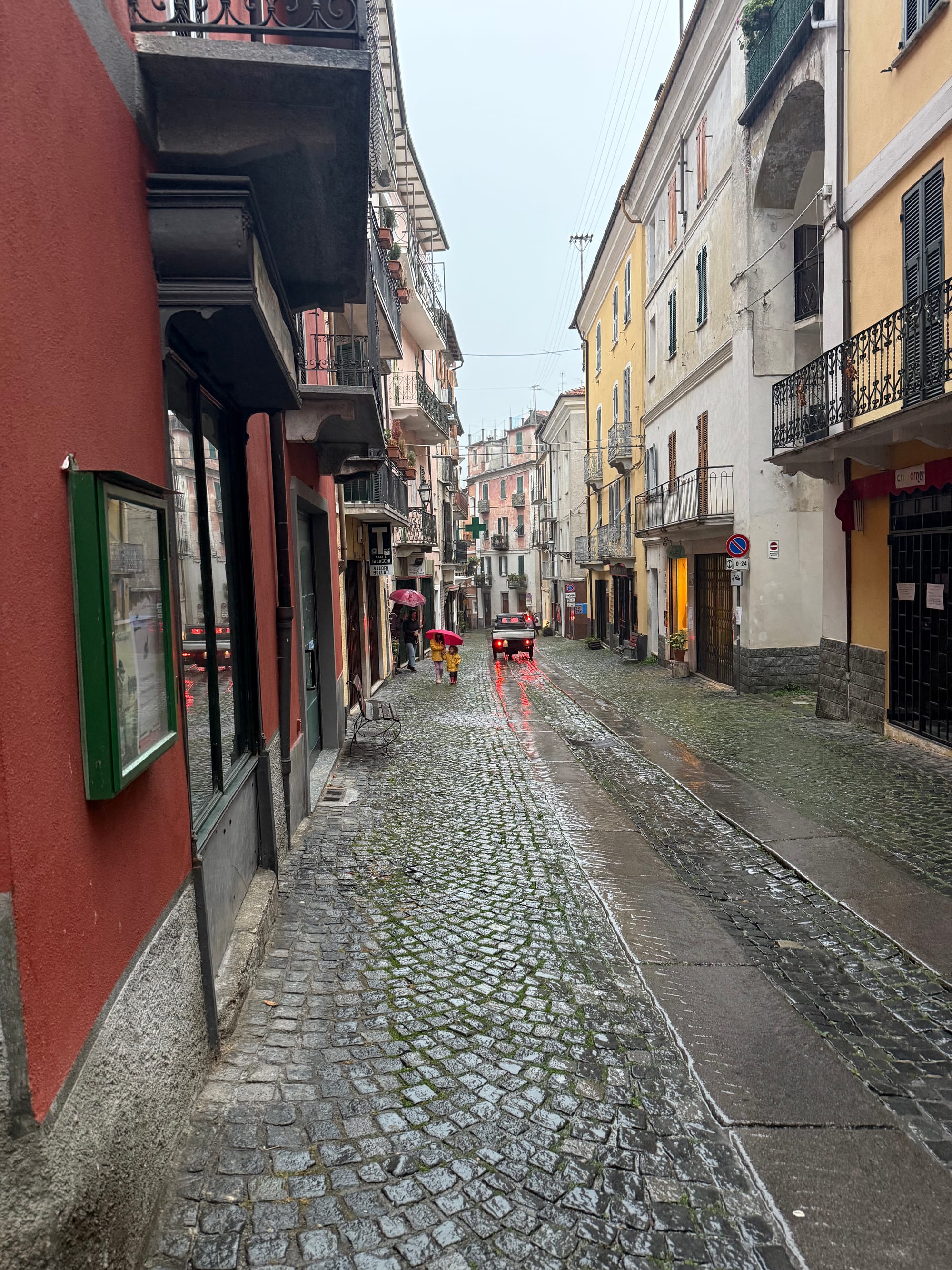
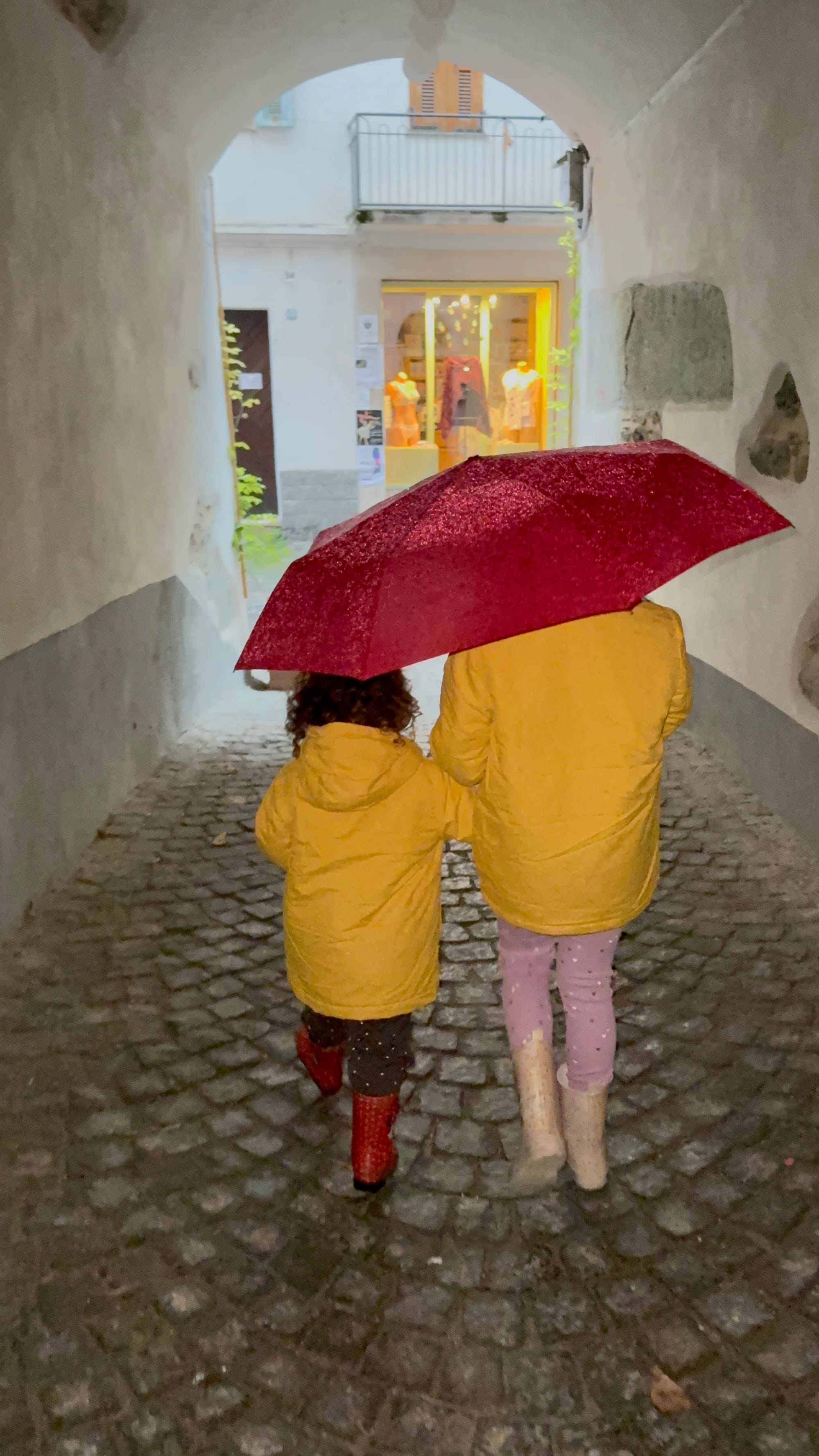
We had one day of rain, and it turned out to be one of the cosiest of the trip. The kids splashed through the old town in boots under umbrellas, Anna showed everyone how to make ornaments from local fabric, and we warmed up with soup at the Scuola Forestale.
Check Piedmont’s weather by month so you know what to expect.
 Victoria Peel-Yates
Garessio: Market Day and the Historic Centre
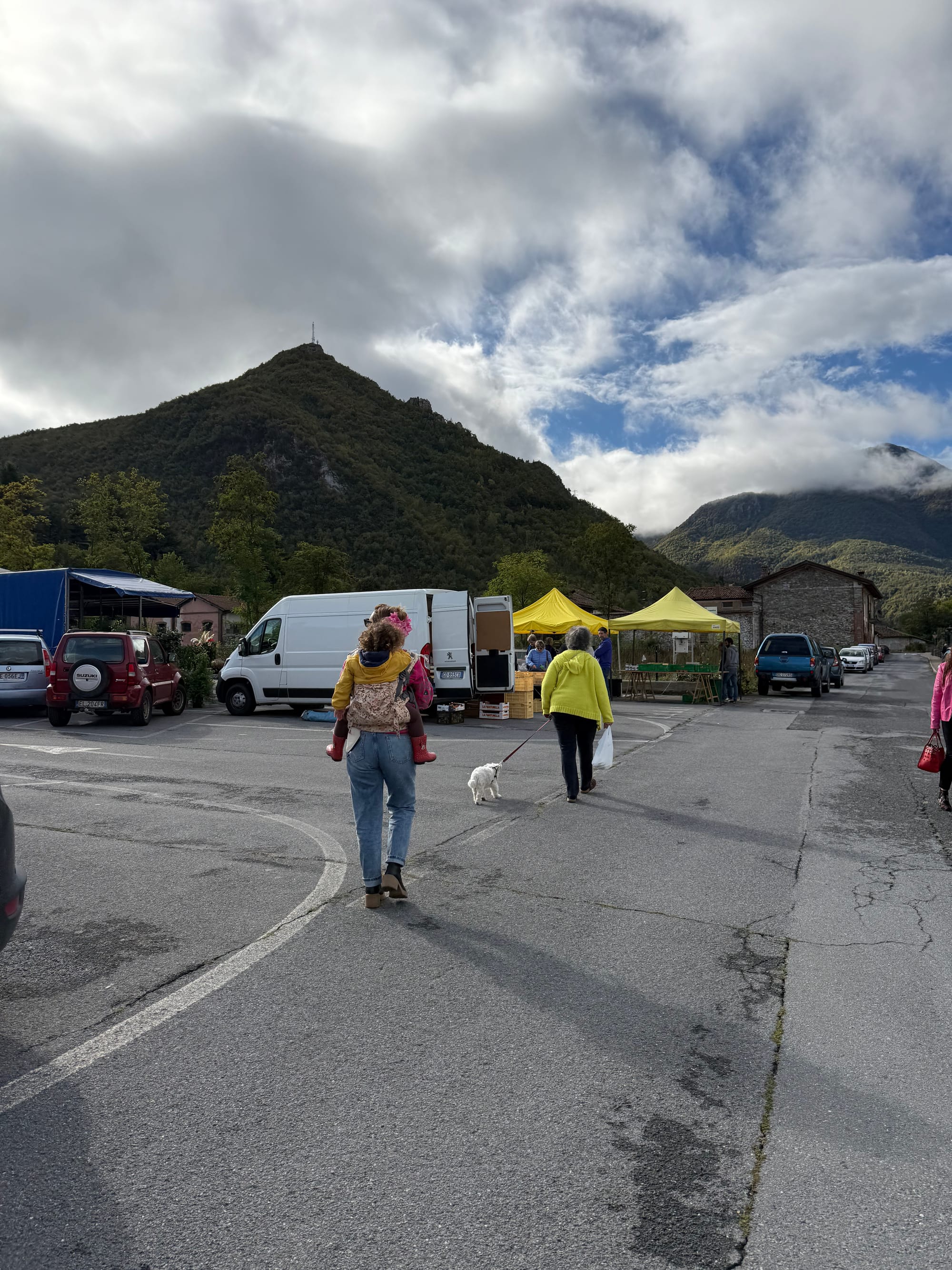
Garessio is a short trip down the valley from Ormea and makes an easy half day with kids. We went on market day and started with the stalls, which is a lovely way for children to practise a few words of Italian. Give each child a coin or two, and let them buy one thing themselves. Market days can change, so check locally before you go.
After the market, we stopped at a local shop for an aperitivo and snacks, had lunch at Bar Torino, and then took a thirty-minute walk through the historic centre. The old streets are narrow, cobbled, and calm, with small shops and balconies overhead. There’s also a pleasant walk along the river, with the houses of the town stacked up against the green hills.
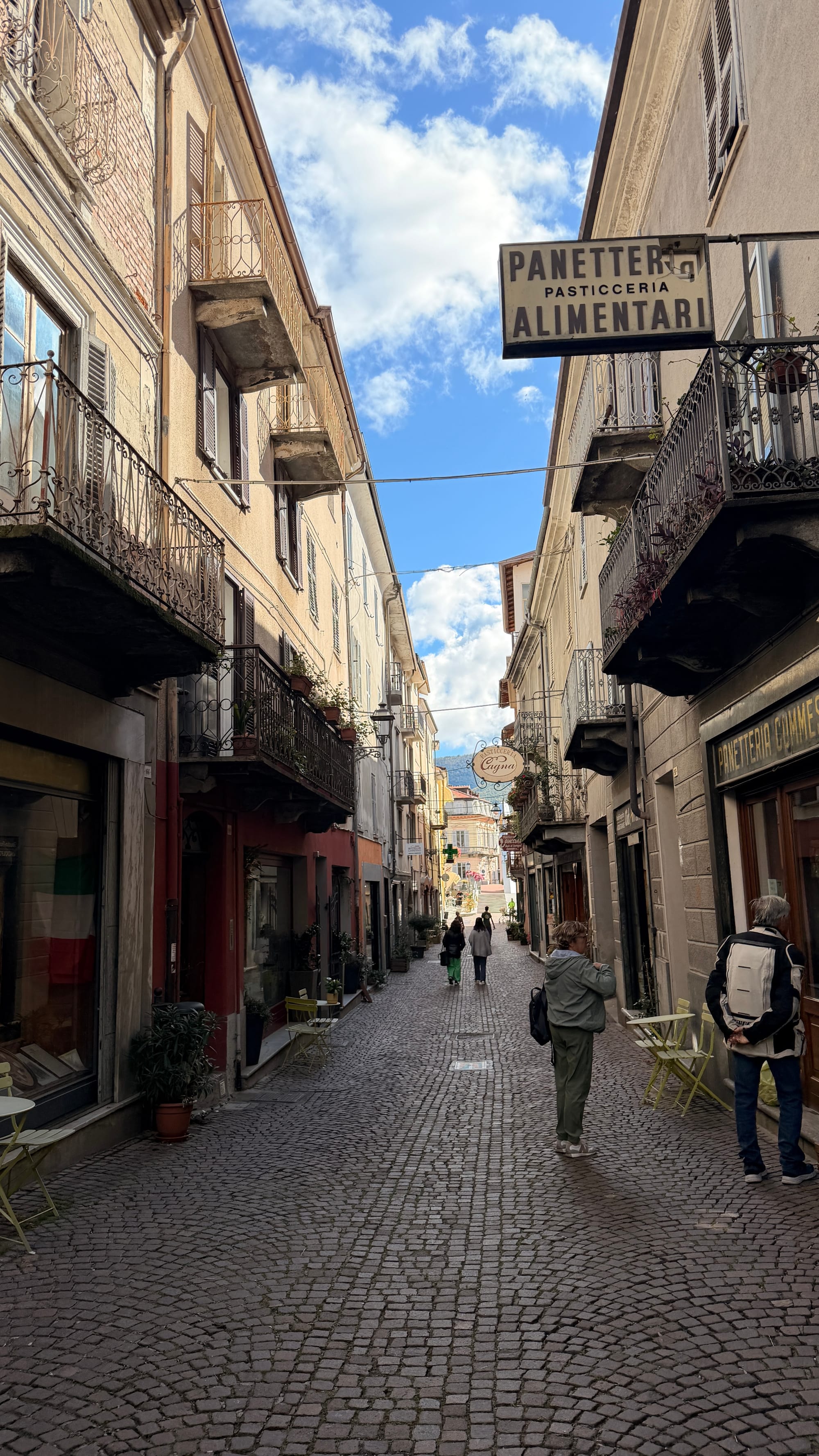
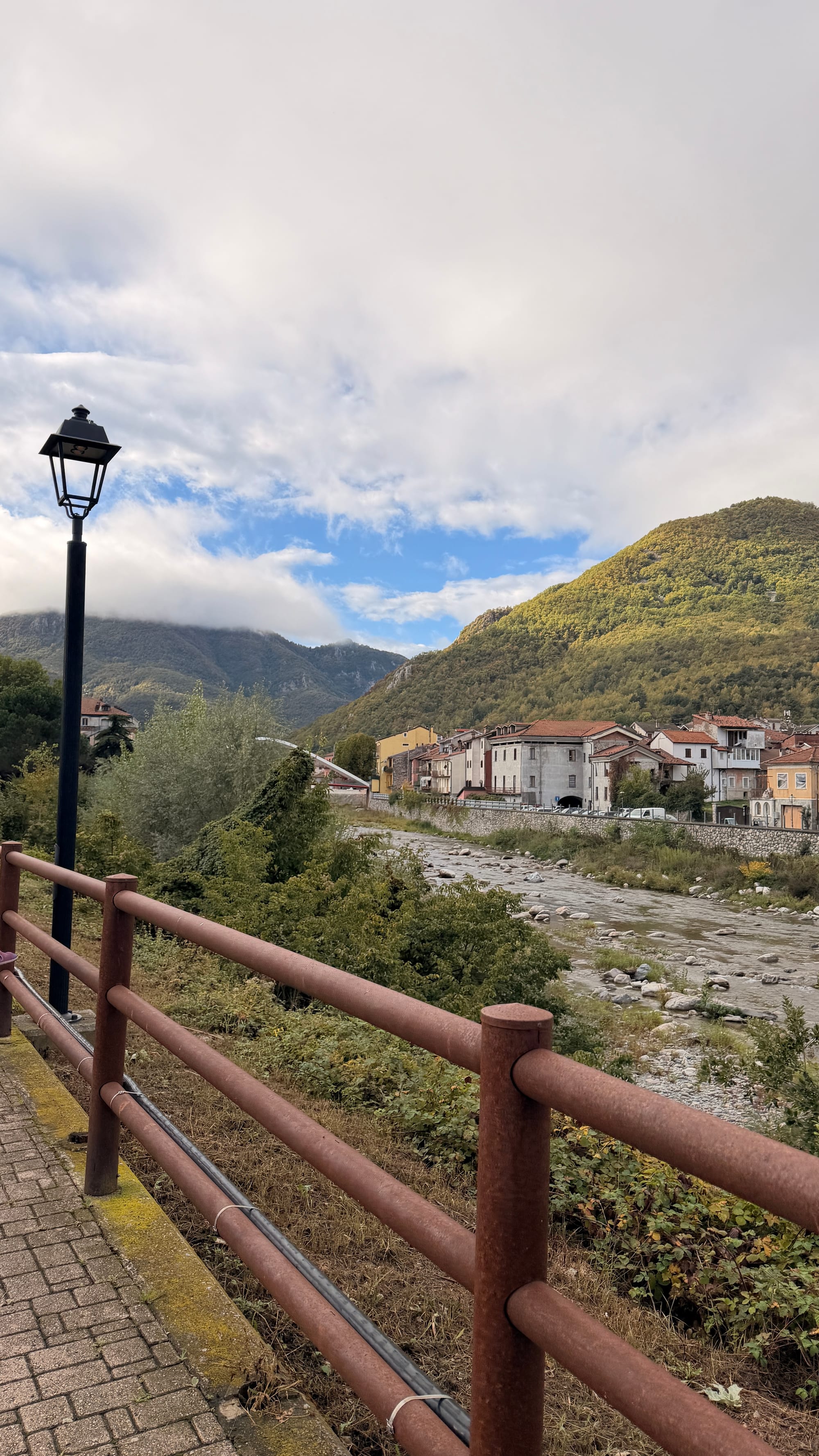
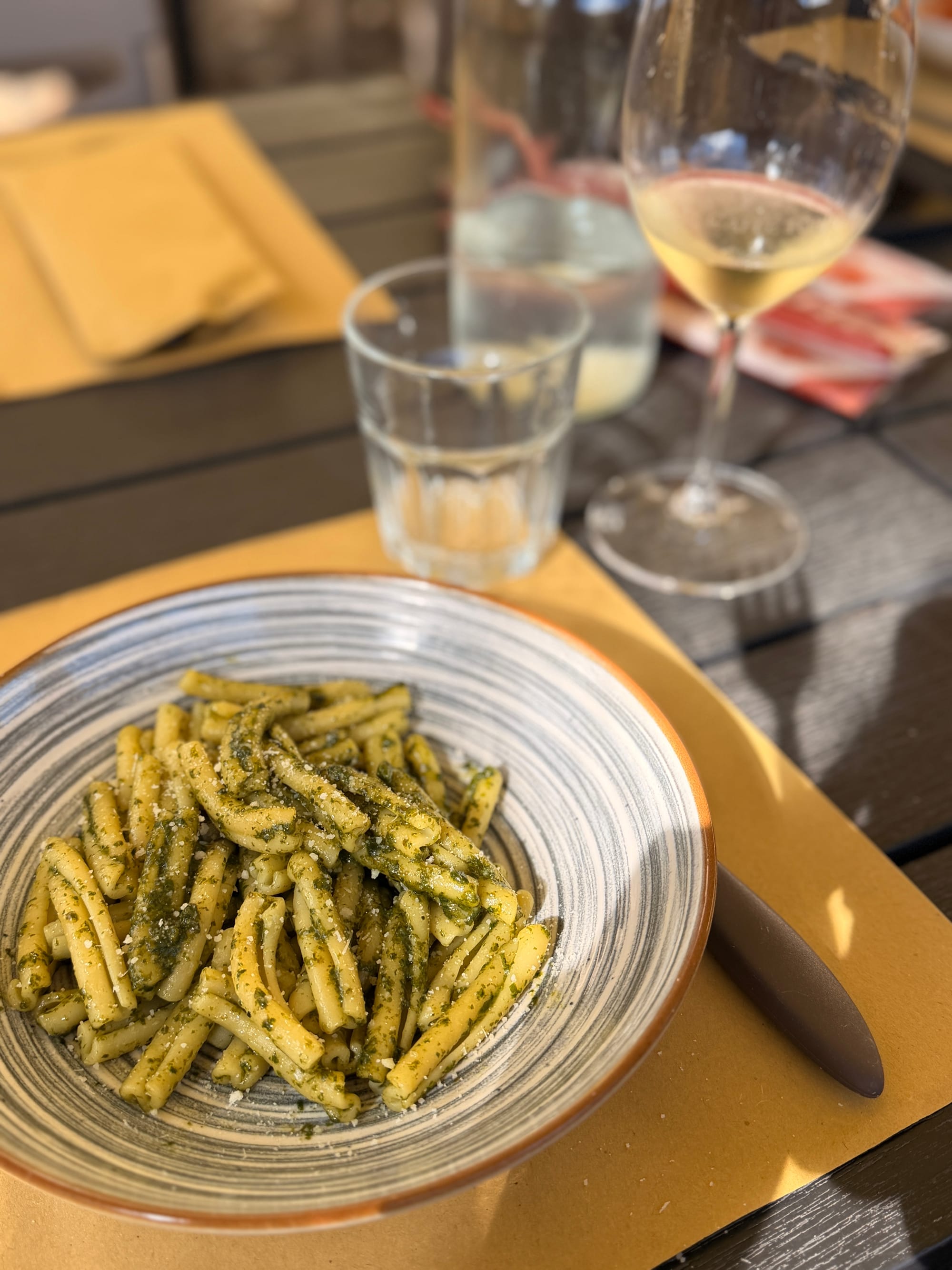
From left: The narrow streets of Garessio's historic centre; The riverside walk in Garessio; A simple plate of pasta with pesto at lunch in Garessio. Photos by Marae Torrelier
Over the Mountains: the Ligurian Valleys Next Door
One of the best things about the upper Val Tanaro is how close it sits to Liguria. You can wake up in the chestnut forests and have lunch by the sea, and the inland valleys in between are some of the most beautiful, least crowded corners of the Riviera. If you have a few extra days, this is how I would spend them.
A Day On the Coast at Imperia
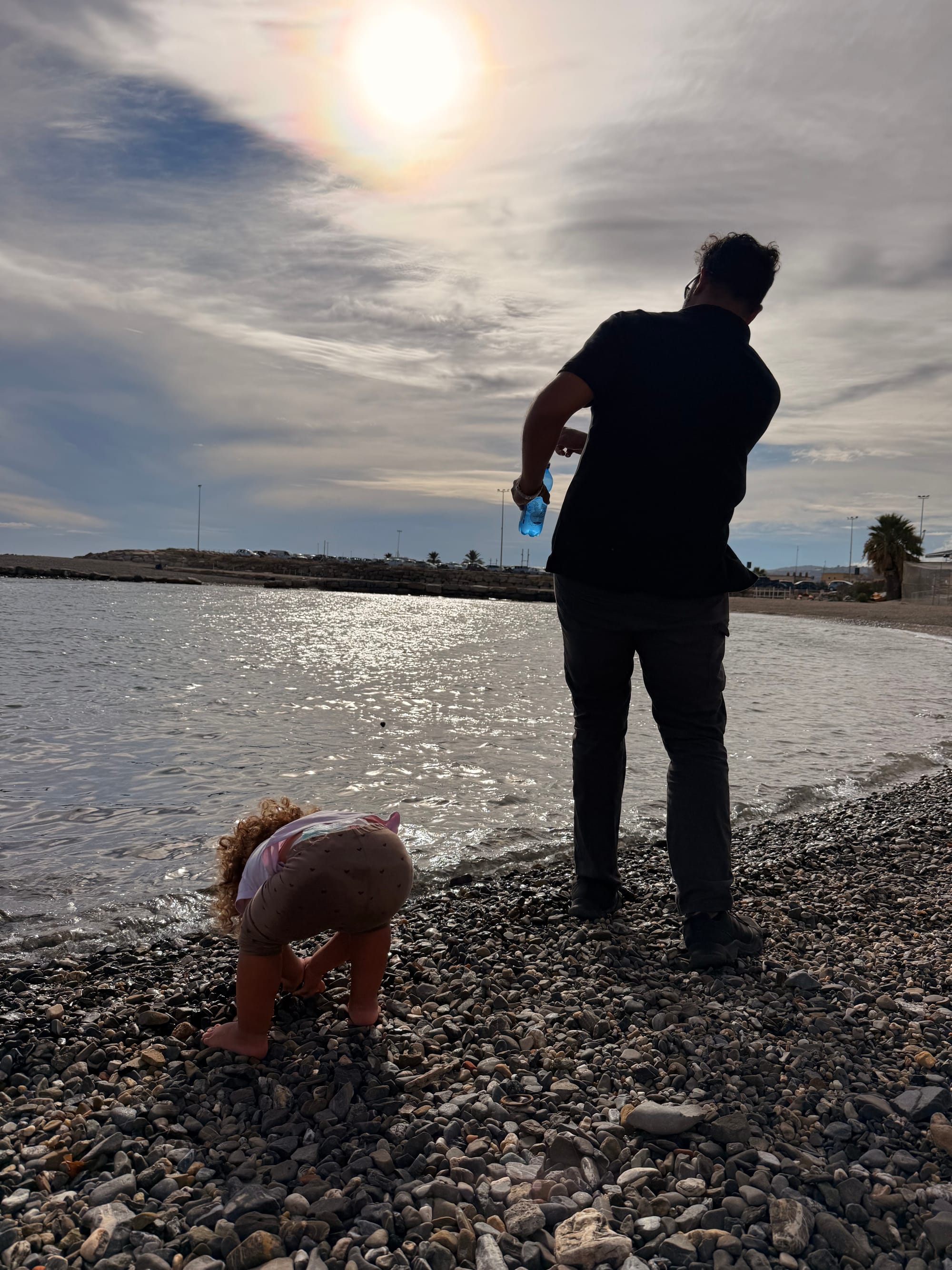
The Ligurian coast is about an hour from Ormea by road. We spent a day in Imperia with the families: a seafood lunch, then the afternoon on the pebbles and rocks by the water, where the kids climbed and explored for hours, and pizza before the drive home.
Badalucco: the Painted Village of the Olive Valley
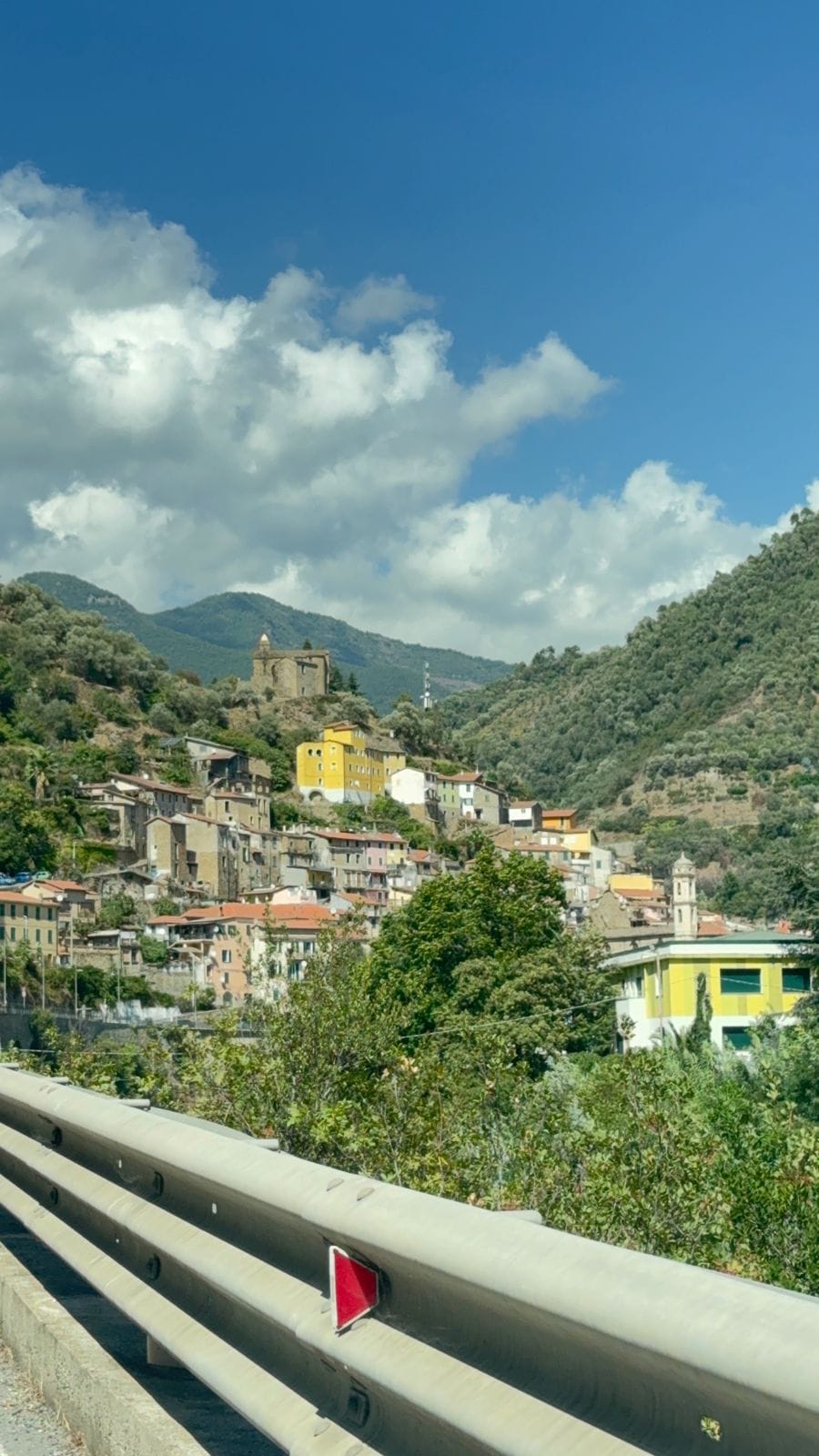
Badalucco is a medieval village in the Valle Argentina, a short drive inland from the coast and about an hour and a half from Ormea on a mountain road. The walls of the old centre are painted with murals and ceramics, and the stone lanes are too narrow for cars, so children can wander.
Two old stone bridges cross the river: the Santa Lucia bridge, built between 1551 and 1606, and the three-arched Madonna degli Angeli bridge from 1614. Below them, the Argentina slows into clear pools that the kids will not want to leave. It is a mountain river with no lifeguard, so keep little ones close.
Meet the Olive Oil Family
Badalucco's real story is olive oil. Olio ROI has been making it here since 1900. It was founded by a great grandfather called Giuseppe, known locally as Pepin u Roi, who built the family's first mill out of the valley's own wood and stone, and five generations later, the family is still pressing oil.
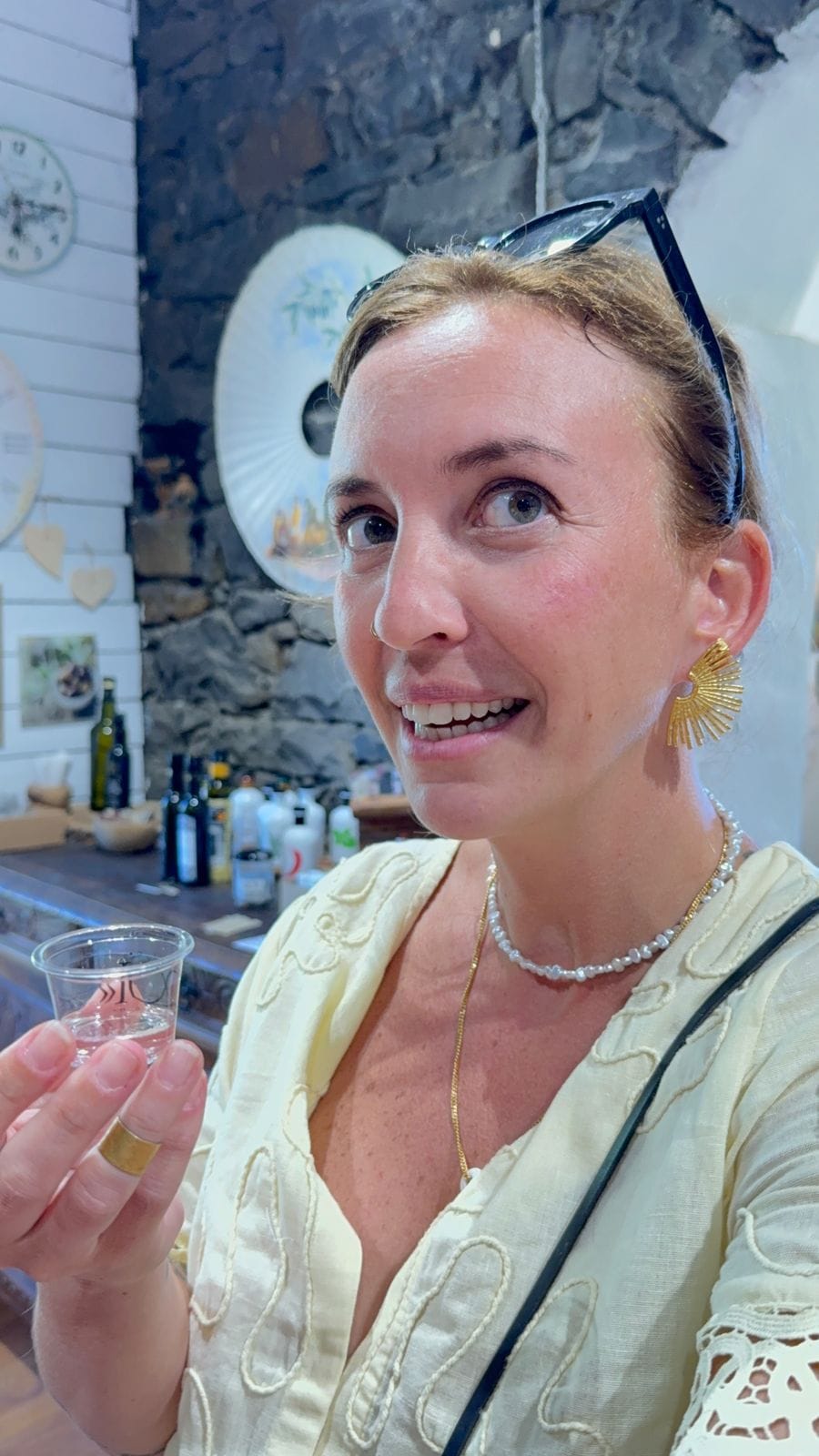
That first mill is now a museum, with the water wheel that once turned the millstones, and you can visit by reservation. We tasted their oils in the shop inside the mill. Their olive groves cover 42 hectares, between 60 and 500 metres above sea level, on terraces first built by Benedictine monks more than a thousand years ago.
They grow the small, dark Taggiasca olive from a tree that can reach fifteen metres and keep producing fruit for more than 600 years. That last fact is the one I keep repeating to people!
Hike to the Olive Groves for a Picnic
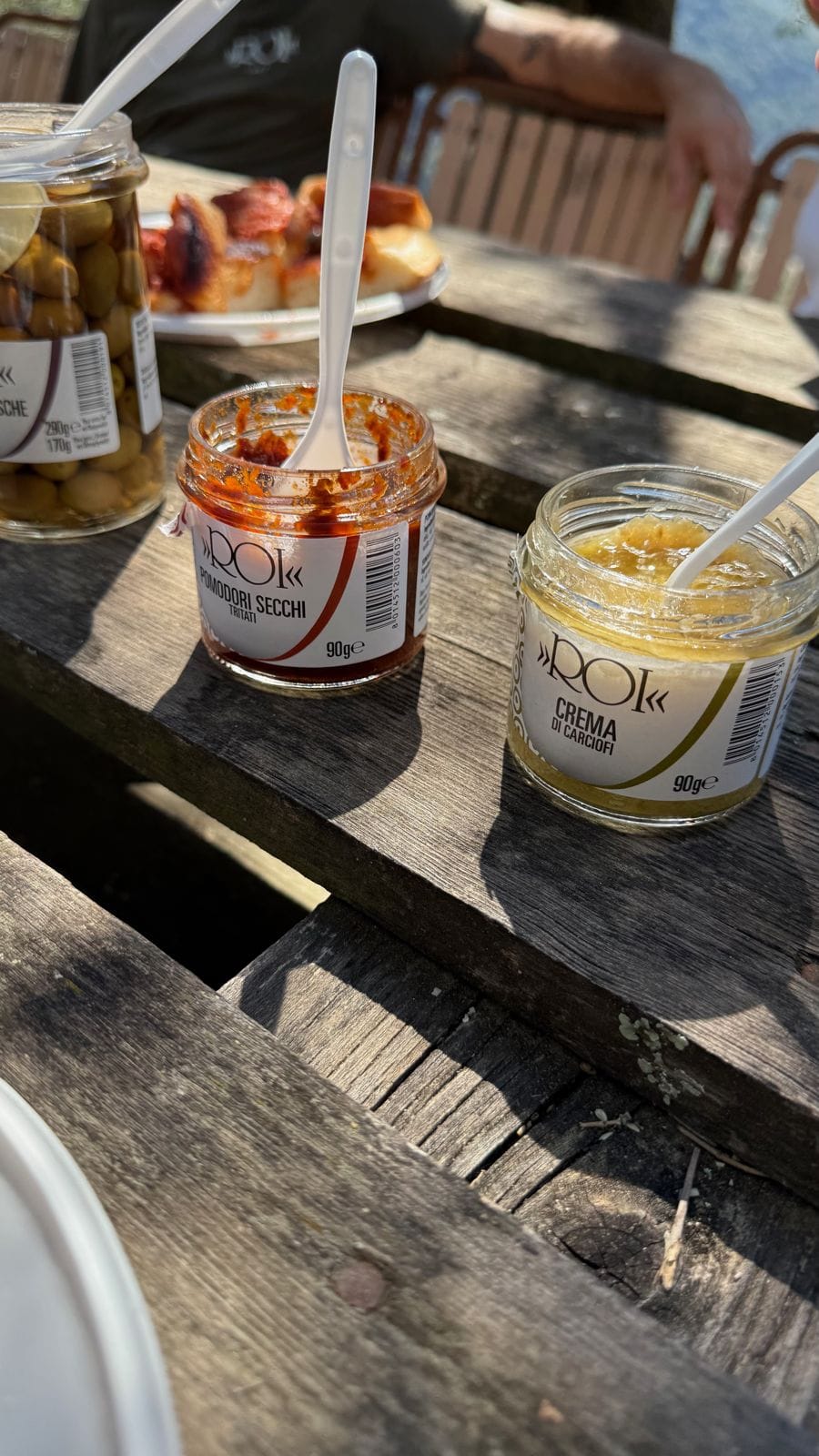
The picnic in the family's Gaaci olive grove starts with a light trek of about thirty minutes up through the terraces, where you can see how the olives are grown and harvested. We had our picnic up there among the trees, with their olives and spreads, looking out over the valley. It was one of the best moments of our whole trip.
Stay at L'Adagio
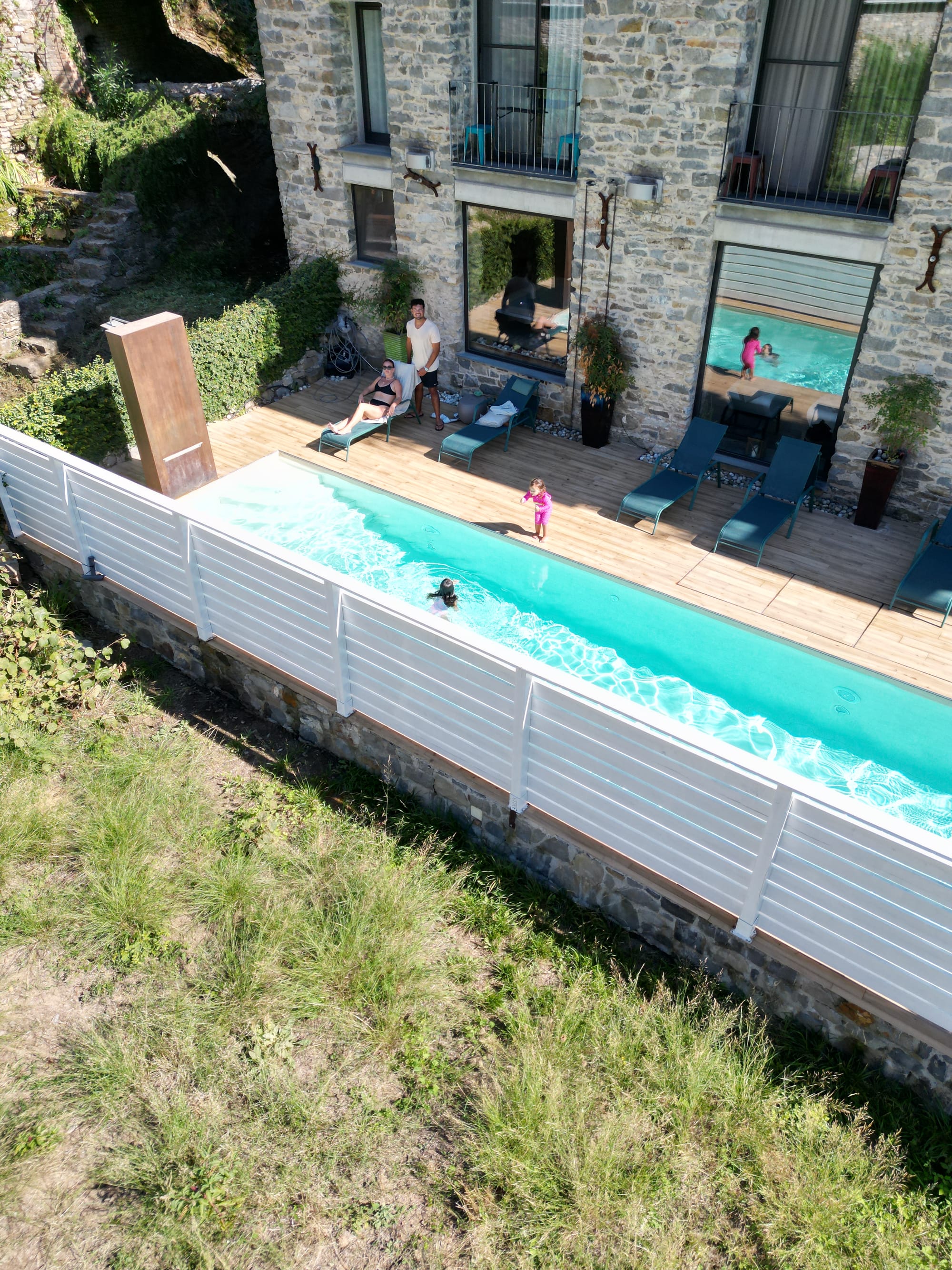
L'Adagio is the Roi family's agriturismo, created by renovating the family's old olive mill from the early 1900s, and it’s the kind of place where parents actually rest. There are four rooms, five themed suites and two apartments, and the suites have a kitchen and a little balcony looking out over the village.
The outdoor pool overlooks the beautiful, picturesque town of Badalucco. The spa has a Turkish bath, a Finnish sauna, a hydromassage and an emotional shower, and every product they use is made with extra virgin olive oil. It’s for over-16s, so parents take turns, and my hour there was one of the best of the trip.
Breakfast of local baked goods arrived at our door each morning, we had aperitivo on the terrace looking over the town, and there’s a family-friendly pizzeria next door. Rossella and Daria run it and take care of every guest.
Disclosure: we stayed at L'Adagio as guests of Olio ROI, and their Taggiasco ExtravirGin, the first 100% Italian gin made with Taggiasca olives, was the star of our last aperitivo in Ormea.
Triora: the Witch Village
Further up the Valle Argentina is Triora, the village Liguria calls its witch village. Between 1587 and 1589, it held some of Italy's most famous witch trials, and today the old centre has a small ethnographic and witchcraft museum, painted witches peering out of doorways and dark, arched lanes that feel made for stories.
It’s listed among the most beautiful villages in Italy, and our girls loved it. The streets are steep, so go in the afternoon and have lunch first. It makes an easy afternoon trip from Badalucco.
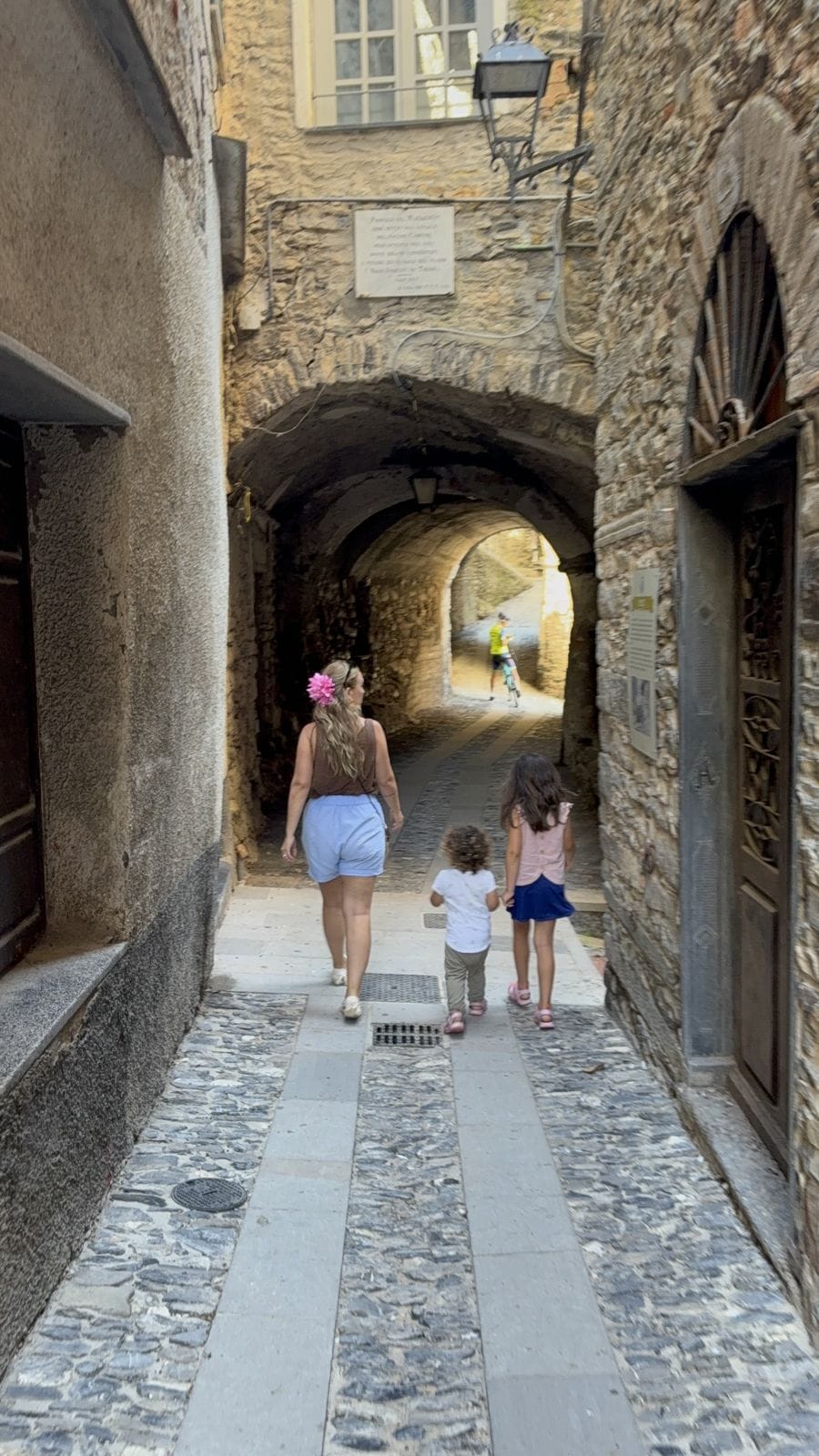
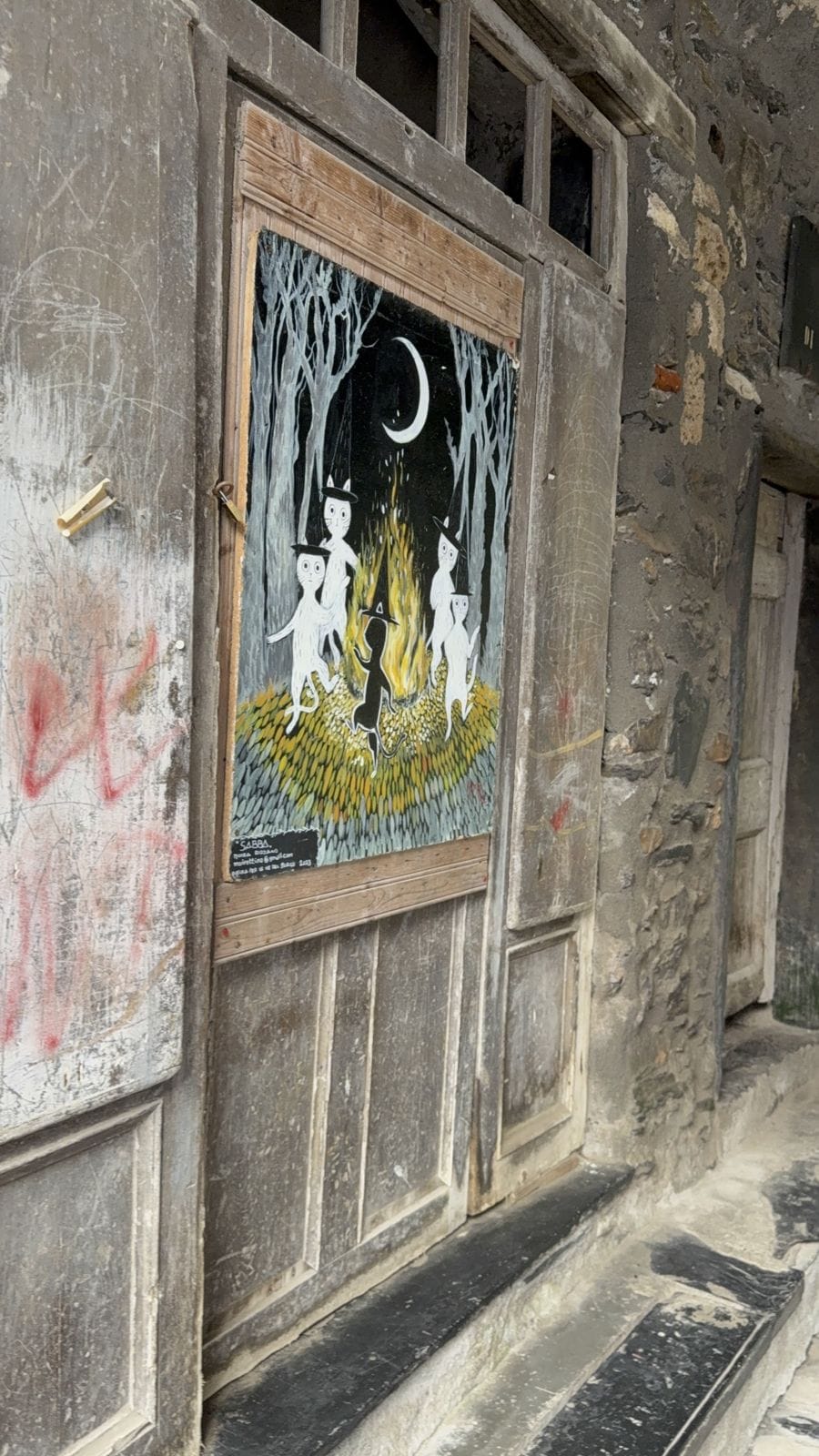
From left: Exploring the arched lanes of Triora; One of Triora's witch murals. Photos by Marae Torrelier
Bogliasco: the Easy Seaside Town near Genoa
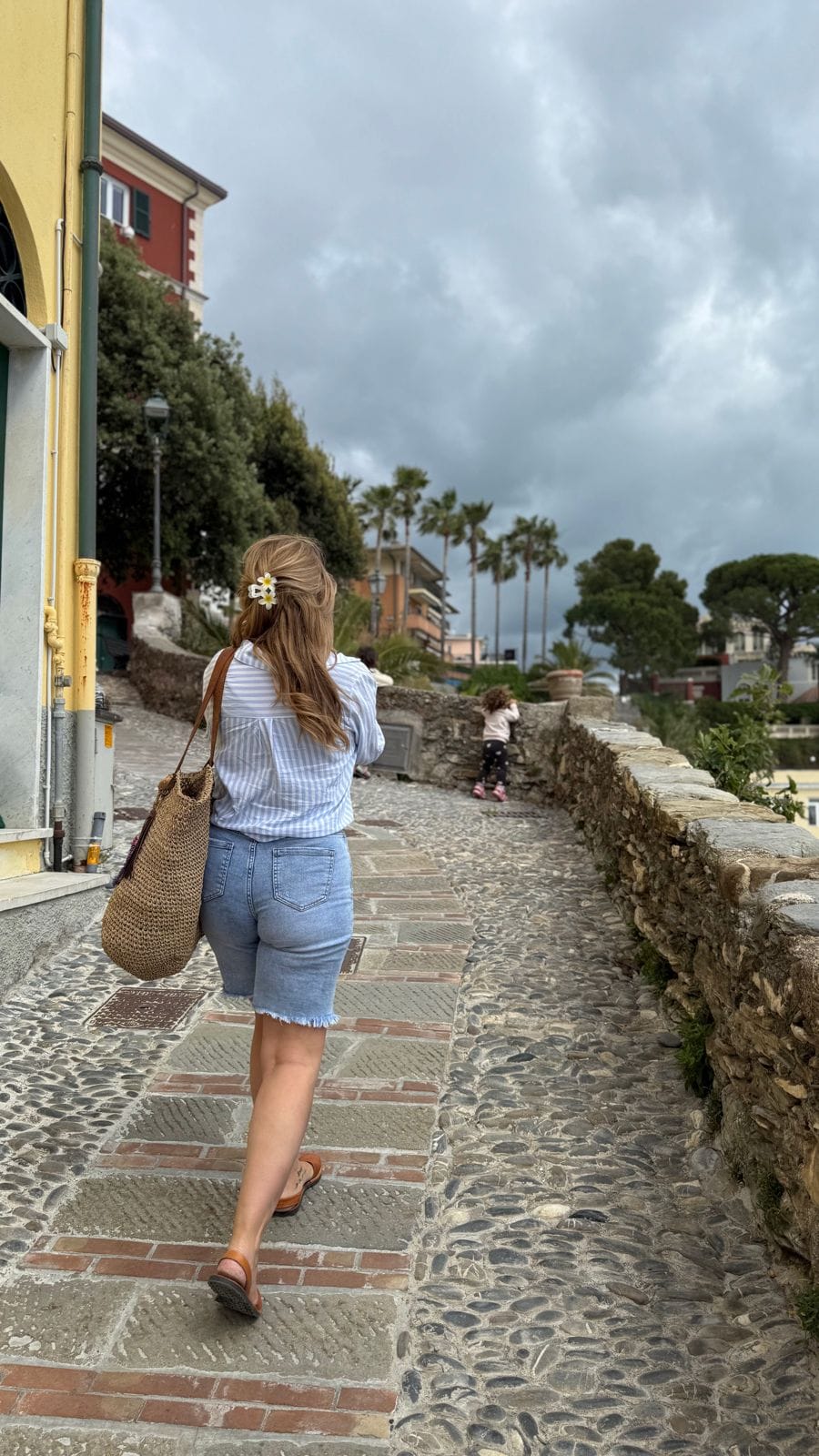
If you are flying in or out of Genoa, finish on the eastern Riviera. Bogliasco is a small seaside town just east of the city, with colourful houses around a little bay. We spent time there in May and it was gorgeous.
We did nothing elaborate: walked the old streets and the coastal path, watched people surf, ate gelato and shopped at the local market. It is a calm alternative to the Cinque Terre crowds. There are plenty of stairs, so bring a carrier.
Where to Stay
In Val Tanaro, stay in the village of Ormea. It has a family-run hotel, the Hotel Nazionale, and there are restored apartments in and around the old town, such as Casa Piccina, which sleeps four plus one.
With small children, an apartment with a kitchen makes naps, snacks and early dinners much easier. One parent told me, "Having a real place to stay made me feel much more like a resident than any hotel room could." In Liguria, base yourself at L'Adagio in Badalucco for the olive valley and Triora, and add a night or two by the sea.
Find and book accommodation in and around Ormea. [affiliate link]
Getting There and Around
Turin airport is about two and a half hours from Ormea by road, and Nice and Genoa both work for the Ligurian side.
A car gives you the most freedom, and the mountain roads are narrow and winding, so allow extra time and bring your own car seats or confirm them with your rental company.
There is a bus down the valley to Garessio if you would rather not drive. Once you are in Ormea, you will walk almost everywhere.
Compare rental car deals here [affiliate link]:
When to Go
Spring and autumn are the sweet spot for families. In May the valleys are green, the evenings are long and the walking weather is comfortable. October brings chestnuts, golden forests and cool mountain air, with the odd rainy day.
Summer is the busiest season in the villages and on the coast. Outside summer, some places shorten their hours, so ask your host what is open during your dates. What you can do also changes with the season: chestnuts in autumn and long green walks in spring.
Read more about the seasons in Piedmont.
 Victoria Peel-Yates
Ten Days in the Village with Roots & Future
Planning all of this yourself is completely doable, and this guide should help. But if you would love to live it without the planning, that’s exactly why we built Roots & Future, a worldschooling family residency in Ormea with community and cultural immersion at its centre, where education happens naturally.
You stay in the village for ten days with a small group of other families. The pasta class, the art lab with local children, the forest and river days, the walks with the people who grew up here and the market in Garessio are woven into the days, and the introductions are already made, so you arrive as a guest the village is expecting, not a tourist passing through.
Your children have friends from the first morning, and you get to slow down with other parents who travel the way you do. Activities vary by season, and everything is optional.
Every family on our first residency rated it 10 out of 10, and the local paper, L'Unione Monregalese, wrote about the week. You do not need to be worldschoolers to join, and the Ligurian valleys in this guide are an easy add-on before or after. The next residency is May 8 to 17, 2027, and there are three family spots left.
Whether you come with us or on your own, give Val Tanaro and its Ligurian neighbours a few slow days. Your kids will remember the people long after they forget the sights.