Fabrizio Battaglino Winery: Discovering Roero, One Hill at a Time
The 4th-generation winemaker preserving the traditions of Roero.

When friends visited from London, I took the chance to play tour guide and brought them to Fabrizio Battaglino, a family-run winery near Vezza d’Alba with a tiny production, every bottle a pure expression of Roero.
From a lesson on the Roero terroir (which my inner geology nerd loved) to generous pours well beyond what we’d paid for, this was a hit with my friends—for their first-ever winery visit, it left a strong first impression of Piedmontese wine and hospitality.
Here’s what we loved, and why I’d recommend it if you’re in the area.
Planning a wine tasting trip to Piedmont? Here’s everything you need to know.
 Victoria Peel-Yates
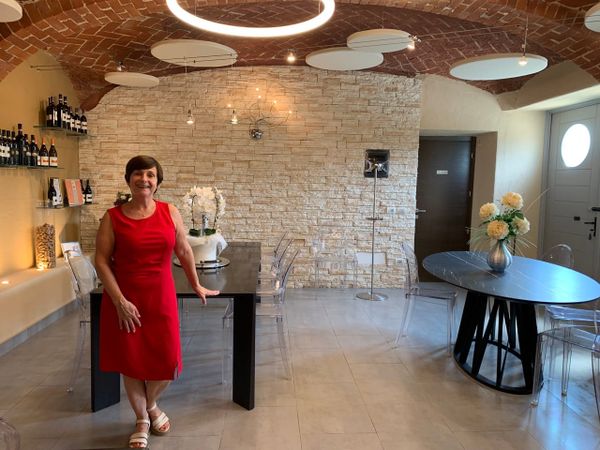
The Winery
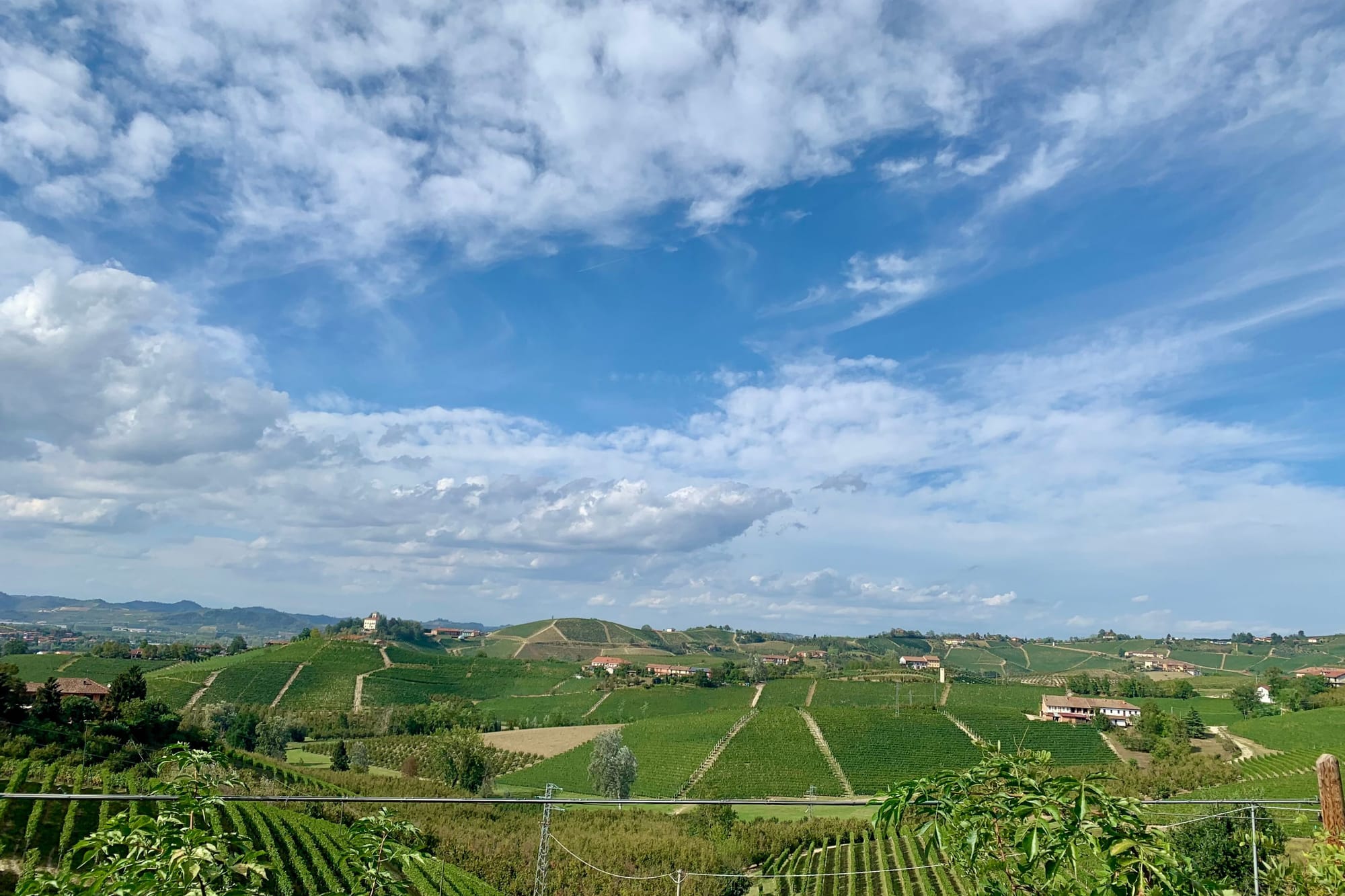
Fabrizio is waiting for us outside as we pull up on a misty but mild morning to a valley between Roero’s characteristic pointed hills (more on those later). Slipping in and out of Italian, he tells us the winery’s history: he’s the third generation, and his daughter Elena is the fourth.
Producing just 35,000 bottles a year from seven hectares of Roero vineyards, Fabrizio isn’t chasing volume. His focus is on preserving the character of the Roero through nine single-vineyard wines from three native grapes: Barbera, Arneis, and Nebbiolo.
He’s proud that every grape is grown by him and his family on their own land. And with only 30% of that tiny production kept back for visitors to taste (the rest is split between restaurants across northern Italy and specialist buyers across Europe), getting to try it feels like a privilege.
The Cellar Visit
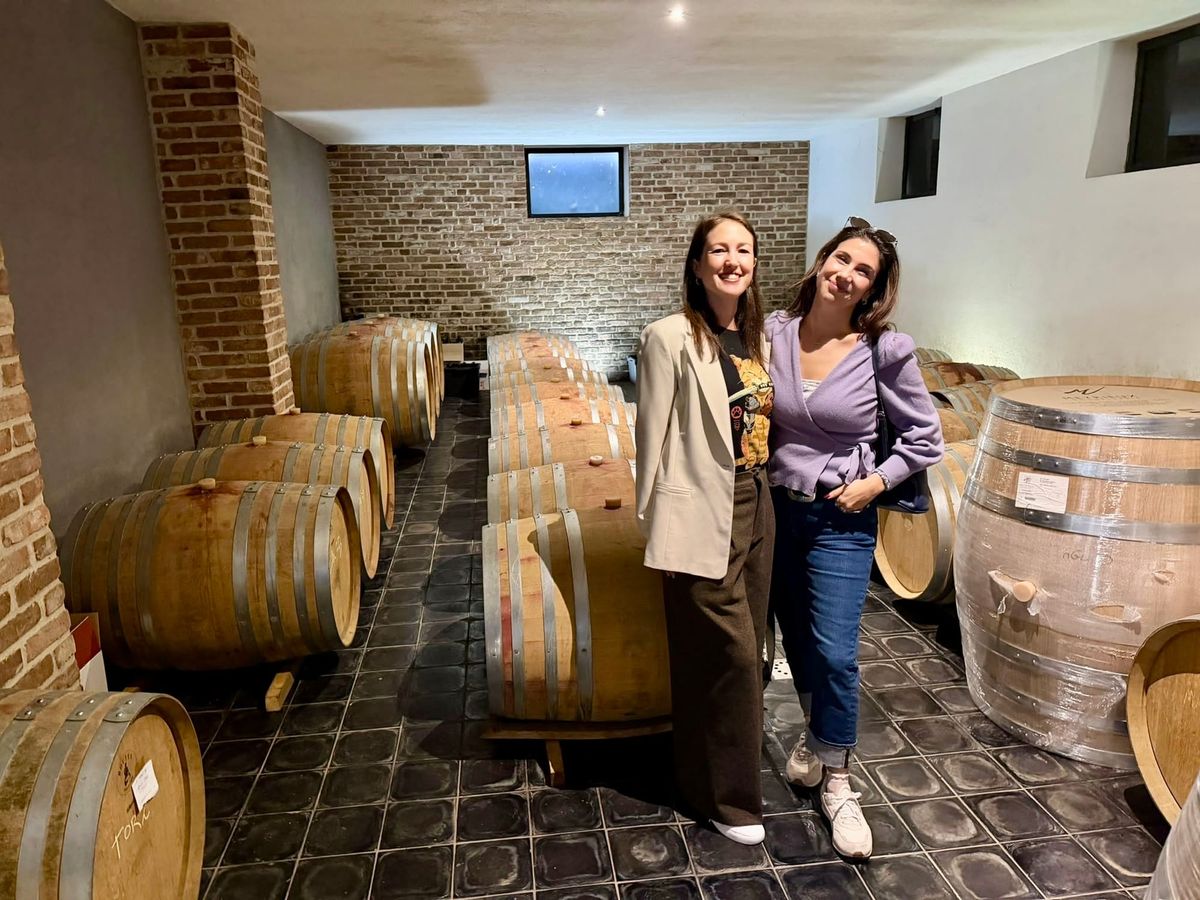
Inside, the cellar is noticeably smaller than others I’ve visited, even at family-run Roero wineries. Fabrizio explains that the Arneis is kept in stainless steel at around 16-17°C, while the reds age in French oak.
Newer barrels, with their stronger flavour, are for the Nebbiolo, which spends longer ageing and mellows out the wood. The Barbera, meant to be drunk younger, gets older barrels that leave less flavour in the wine.
After my second or third question about Barbera, Fabrizio looks at me and says, “You like Barbera, don’t you?” We all laugh, while I wonder if it’s really that obvious.
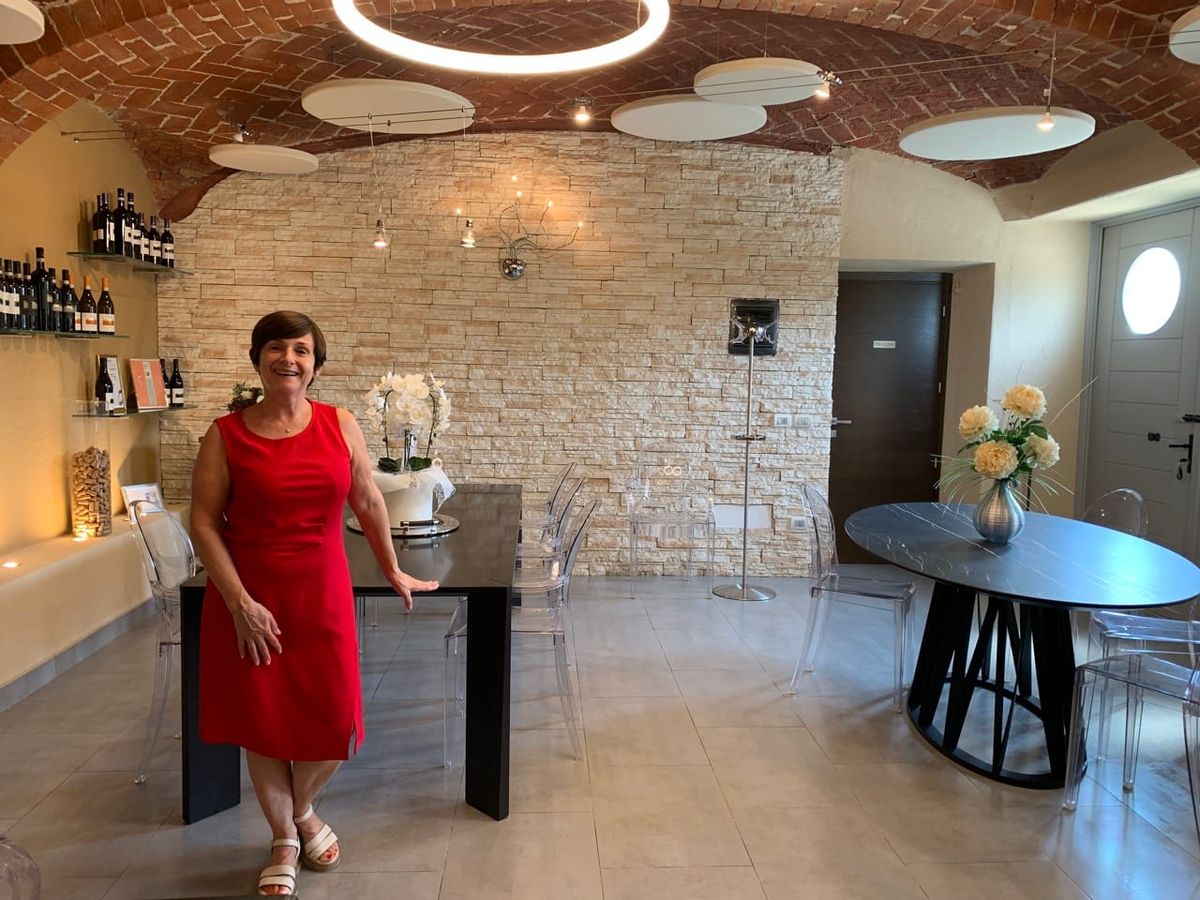
At this point, Fabrizio leaves us to help Elena in the tasting room, giving us time to take a few photos until they invite us in.
The Roero Terroir
Before we get to the wine, Elena shows us a map of the Langhe and Roero, explaining how differences in soil type (terroir) shape its character. I already knew the basics, but no winery I’d visited had broken it down in this much detail before.
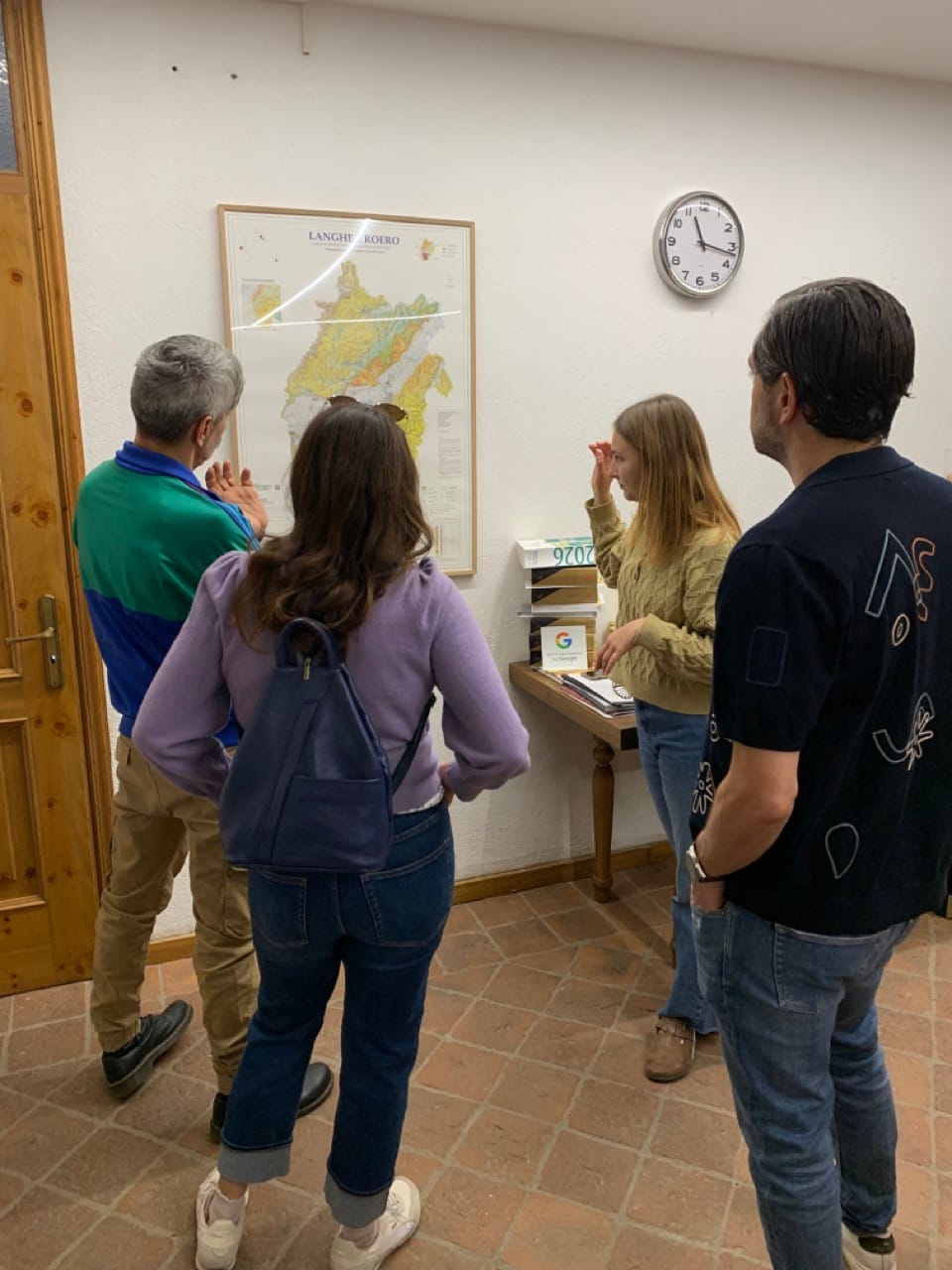
Across the Tanaro river, the Langhe has predominantly clay soils, which help the grapes hold onto both high tannins and high acidity, giving Barolo its age-worthy structure.
Roero’s soils rose from the seabed much later, and are sandier as a result, producing softer tannins and fruitier, more aromatic wines from Nebbiolo grapes. Barbaresco sits somewhere between the two, with a mix of clay and sand.
Then Elena turns to a 3D map of Roero, showing how the soil changes from hill to hill. Most of their vineyards are spread across three: Colla and Bastia, both sandy, and San Michele, which has more of a clay mix.
The Tasting
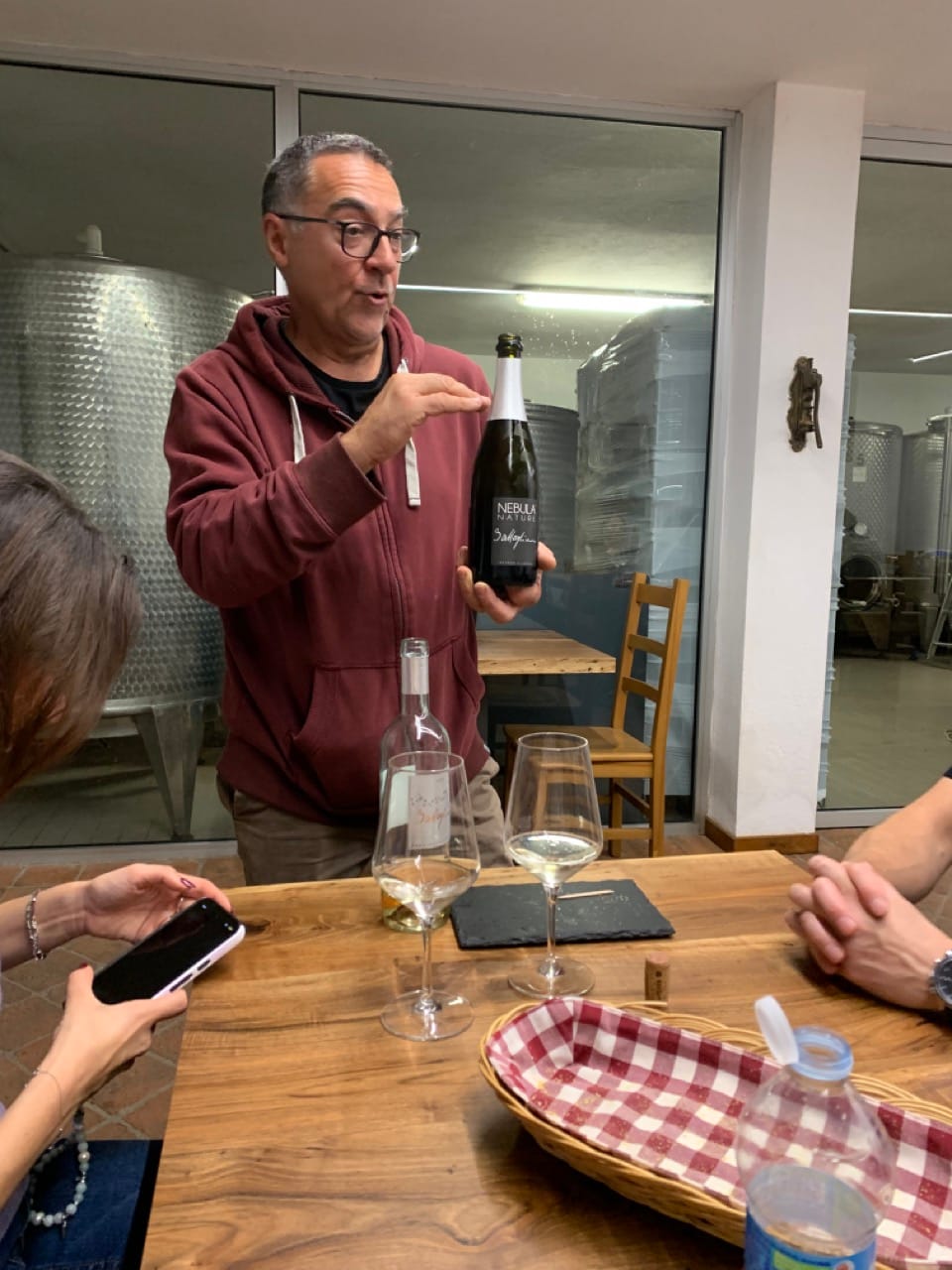
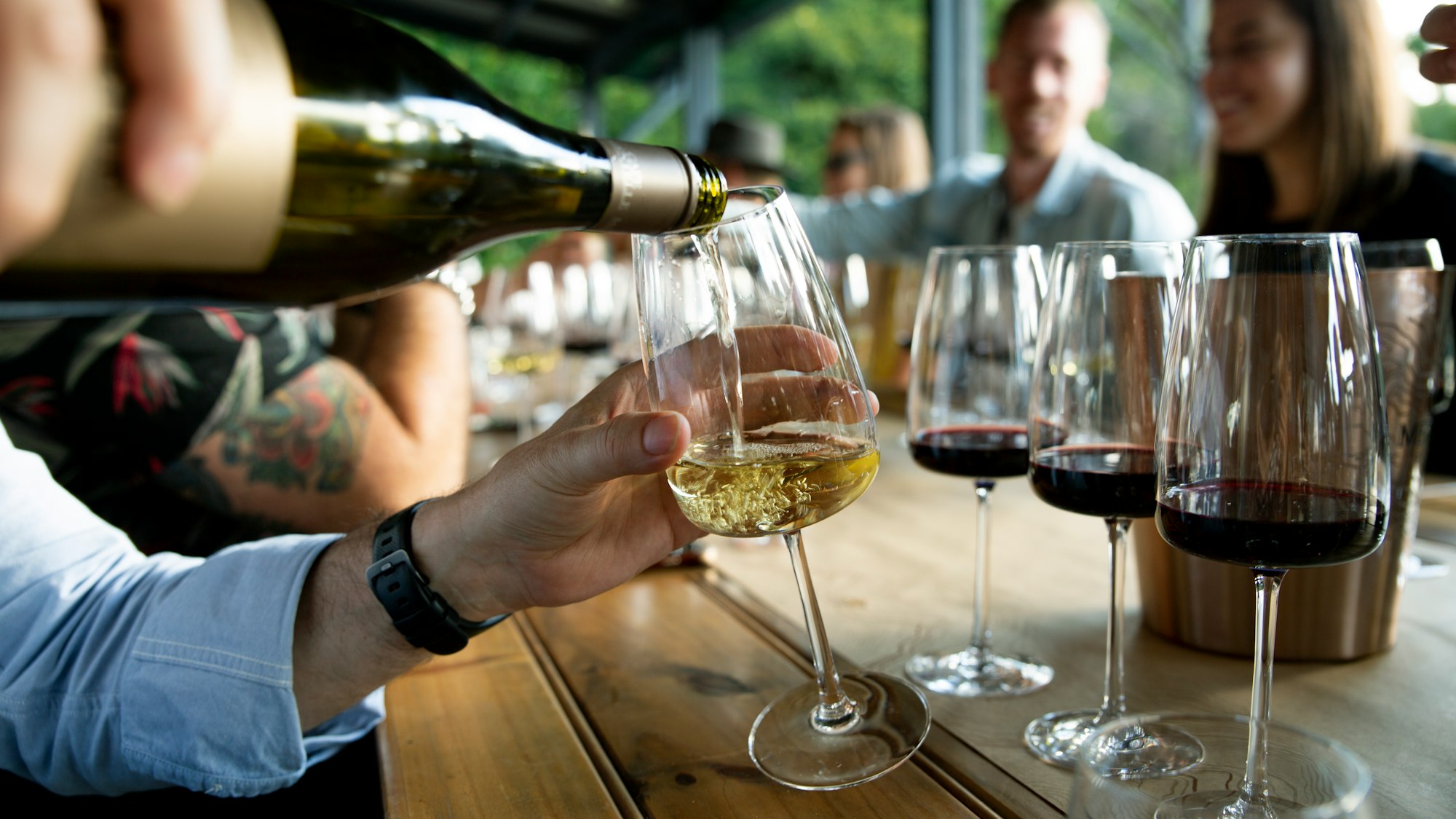
You can choose between a 3-wine (€15) or 6-wine (€25) tasting, though Fabrizio admitted they almost always end up pouring more, which is exactly what happened with us.
We chose the Arneis San Michele, the Roero DOCG, and the Nebbiolo d’Alba, but Fabrizio and Elena kept going, adding the Arneis Bastia, a Rosé, and their sparkling Nebula. It all came with grissini (breadsticks), toma cheese, and local salami.
Looking for other budget-friendly tastings? PQlin’s Roero 100% tasting includes five wines for €15—read the review.
 Victoria Peel-Yates
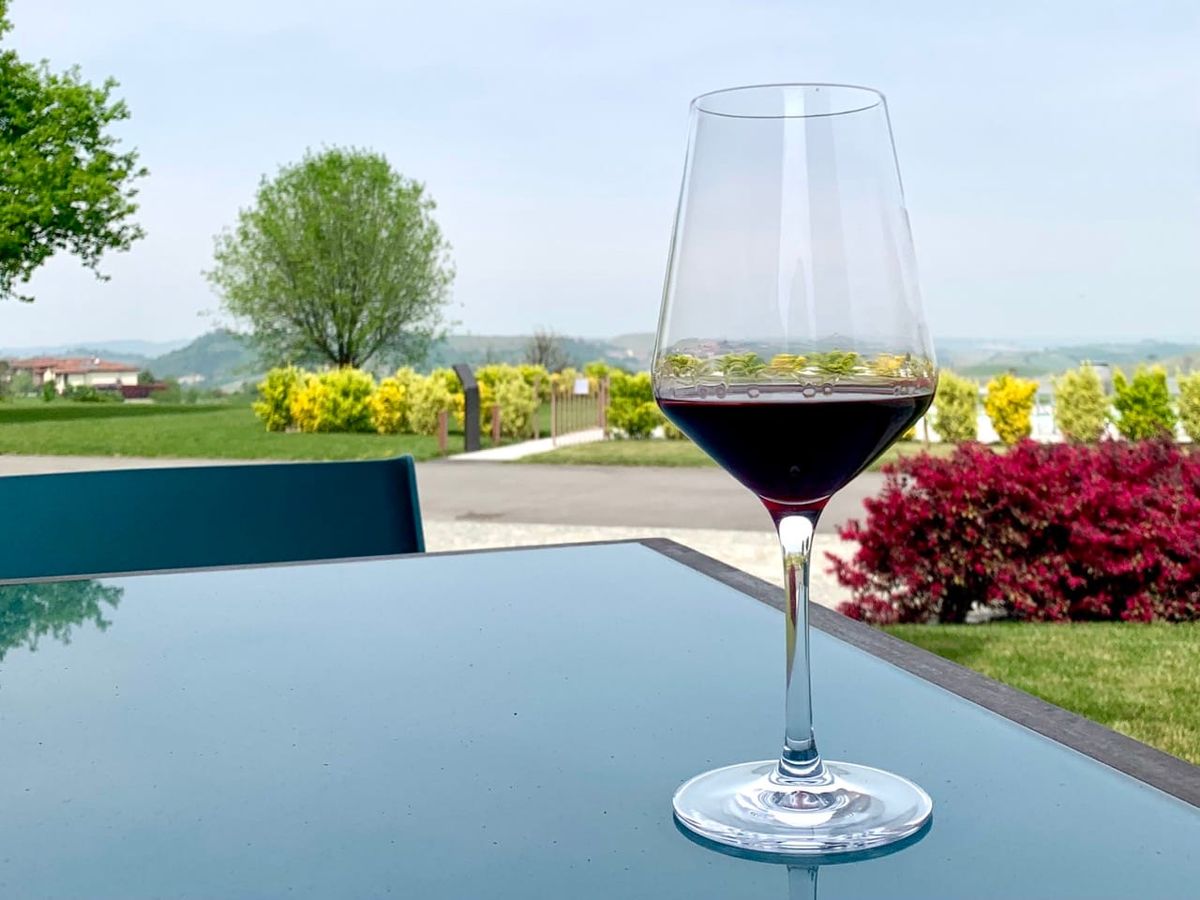
Arneis: San Michele & Bastia
This was my first time doing a side-by-side vertical tasting, and the difference was clear. The San Michele (2025), from the hill’s clay-heavier soil, was light, fruity, and bright with acidity.
The Bastia (2024), grown on sandier ground, leaned herbal (mostly sage) and mineral, with less fruit and acidity. Fabrizio explained that Bastia suits white meat and fish, while San Michele is perfect for aperitivo.

Roero DOCG 2023
From Nebbiolo grapes grown on Colla hill from older vines (50-55 years old), which produce lower yields, but a higher quality of grapes. Roero DOCG requires a minimum of 20 months’ ageing, at least 6 of them in wood, and I could pick out a touch of oak from the newer barrels.
Paradì Nebbiolo d’Alba 2024
Fabrizio’s nonno grew Nebbiolo on the southwest-facing slope, chasing the afternoon and evening sun the grape needs to ripen in October or November. As the climate warmed, Fabrizio replanted these 40-year-old vines on the cooler, east-facing side to keep their character true to the wines his nonno used to make.
Rosé
Made from Nebbiolo, but simply labelled Rosé—no official Roero Rosato denomination exists, and Fabrizio doesn't want to use “Langhe Rosato,” as it would compromise his Roero identity.

Fabrizio Battaglino Rosé. Photo by Secret Piemonte.
Nebula
Their sparkling wine, also Nebbiolo-based, is made using the traditional Metodo Classico and labelled Nature, meaning no sugar is added at the final dosage stage, for a drier, more mineral style. It isn’t DOCG-recognised either, but I’d happily pop open a bottle for a special occasion.
For an even deeper dive into Roero’s wines, Paola Massa’s eight-wine tasting pairs each bottle with local bites she’s hand selected—read the review.
 Victoria Peel-Yates
Practical Tips for Visiting Fabrizio Battaglino
- Getting there: you’ll need a car—it’s a 15-20 minute drive from Alba.
- Opening hours: 8.30am-6.30pm daily, except Saturdays, when they close from 12pm-3pm.
- Walk-ins? Not recommended. This is a tiny, family-run winery with a small tasting room, so booking ahead is essential, especially during truffle season.
- Accessibility: step-free access from the car park, with no walking required to reach the tasting room.
Is Fabrizio Battaglino Worth Visiting?
If you want a winery visit that’s educational, fun, and generous with the pours, Fabrizio Battaglino is well worth it. Fabrizio and Elena are easy to chat with, and they love answering guests’ questions.
This corner of the Roero is a world away from the nearby Langhe, and a visit here feels like being let in on a secret: a tiny, single-vineyard production from an area that produces spectacular wines, but has a distinctly local feel. If you only have time for one Roero winery, this is a strong contender.
Want to compare options before you book? Browse Fabrizio Battaglino and other Roero wine tastings on Winalist.