Meet the Woman Who Turned a Family Farm Into One of Roero’s Best Wine Tastings
Women, wine, and word-of-mouth.

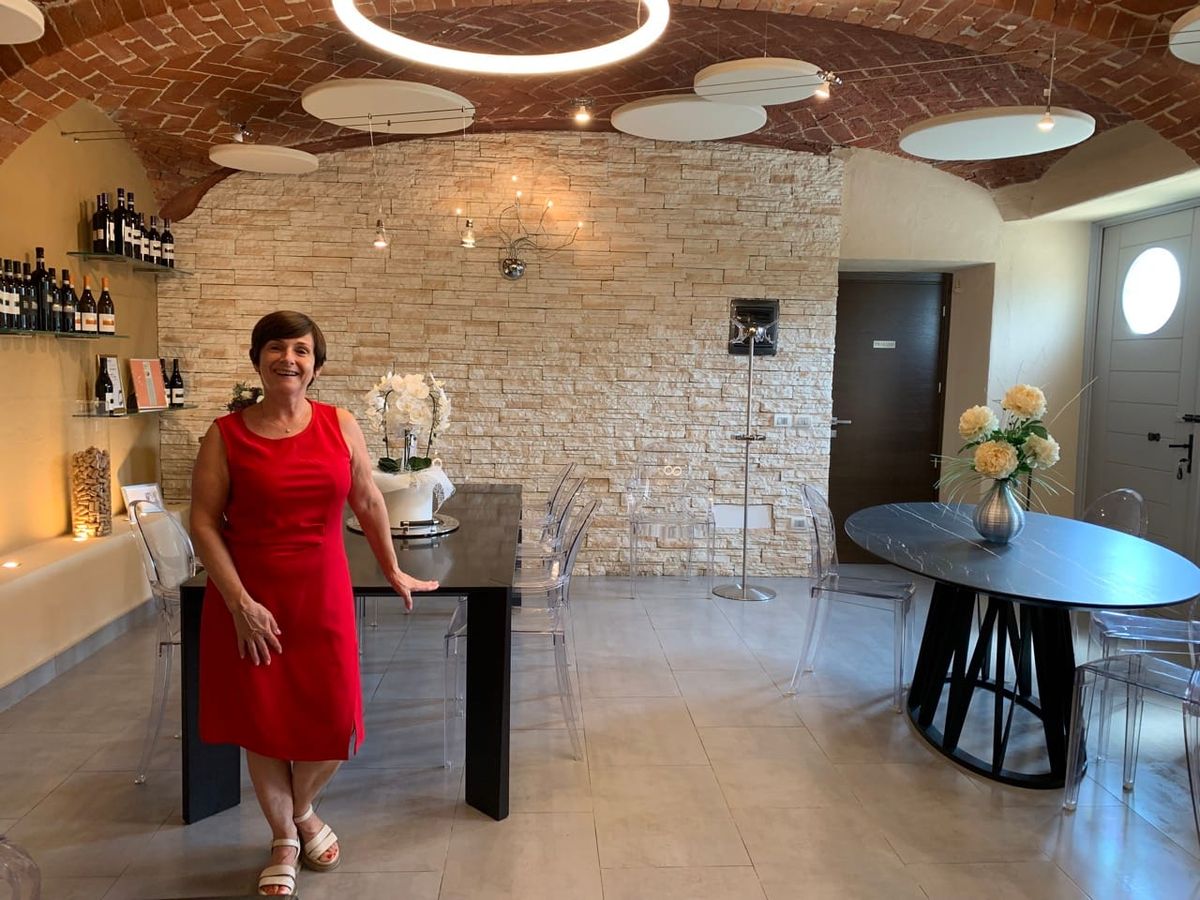
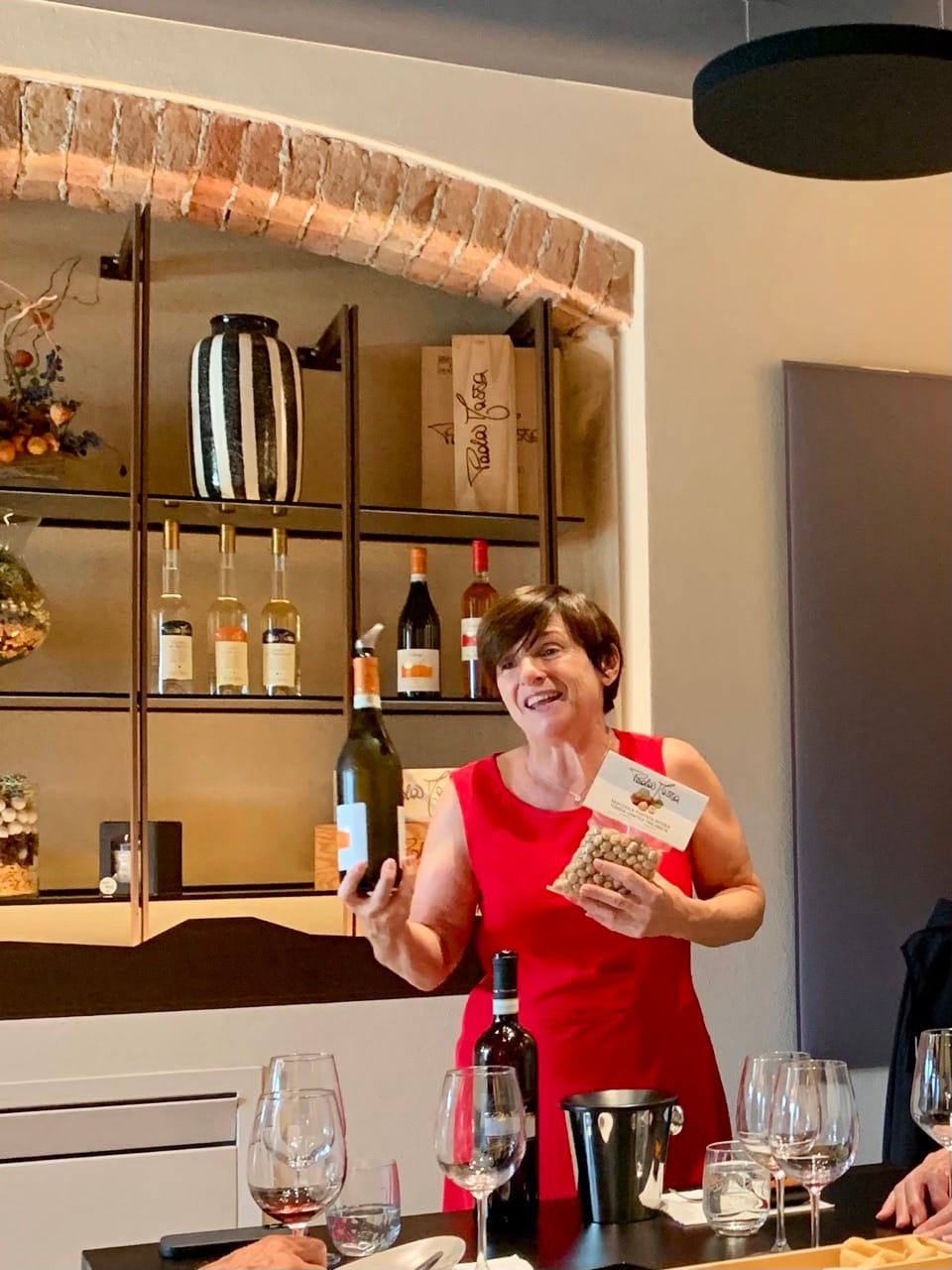
Walking into Paola Massa’s winery is like walking into your favourite aunt’s house. Paola, with a red shift dress, pixie haircut, and bright smile, greets me at the door of the 200-year-old cantina in Piobesi d’Alba, just 6km from Alba.
It’s midday on a rainy Wednesday in early September, and the only other guests are two Swiss couples, regulars who’ve been visiting several times a year since the winery opened.
Looking for other Roero wineries? Check out my review of PQlin in Castagnito.
 Victoria Peel-Yates
From Farm Workers to Winery Owners
When Paola took over in 2002, the property was a farm that her grandparents bought in 1972, having arrived there as workers in the 1960s. Back then, they grew a few grapes along with fruit trees, making Dolcetto and Barbera for the family and selling white Arneis grapes to the nearby Tenuta Carretta.
What began as a hobby for Paola—who produced 1,000 bottles of Arneis that first year—eventually became her profession. Today, she runs the winery with the help of her daughter Francesca, producing eight types of wine and 55,000 bottles annually.
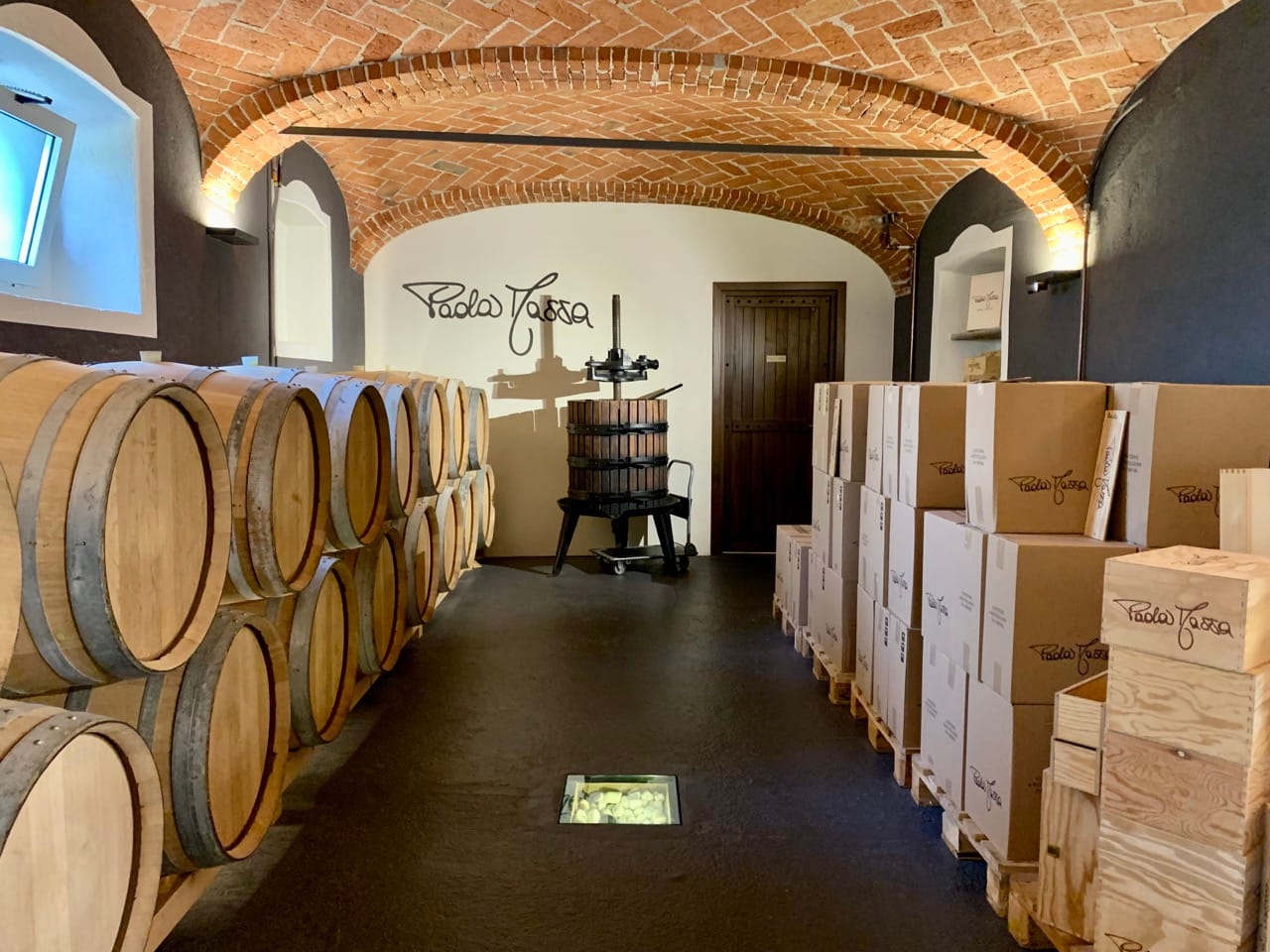
But it wasn’t always easy. “Wine is a very masculine world”, she tells me. “As a woman with no name or family history, it was difficult at the beginning”. The turning point came in 2007, when she converted the garage into the first tasting room, uncovering the original brickwork, and foreign visitors began to arrive. “It was all word of mouth”, says Paola. “All of my clients are repeat customers, and new ones come from their recommendations”.
Over time, Paola planted more vines, and in 2018, opened the second tasting room, where we are today. It was originally the farm’s stable, and the renovation uncovered features like typical Langhe brickwork and a hand-shaped knocker on the wooden stable door.
Now Francesca, who has grown up surrounded by wine, is getting her degree online so she can balance her studies with helping her mother in the winery, and both recently completed a three-year sommelier course.
The Tasting
With eight wines to taste in one sitting, this tasting is not to be rushed. Paola and Francesca like to take their time with their guests, and the result is an unhurried tasting that lasts up to three or four hours—although if you have another appointment they can adapt.
Paola presents each wine with a sparkle in her eyes, and offers top ups on every single one. You can tell she’s just as passionate about taking care of her guests as she is about making wine.
1. Spumante Rosé: “Sette Giugno”, 11.5%
When Paola decided to introduce her version of spumante (sparkling wine) in 2022, she wanted to do things differently. “This is a feminine winery”, she tells me, “So I wanted to make a pink spumante”.
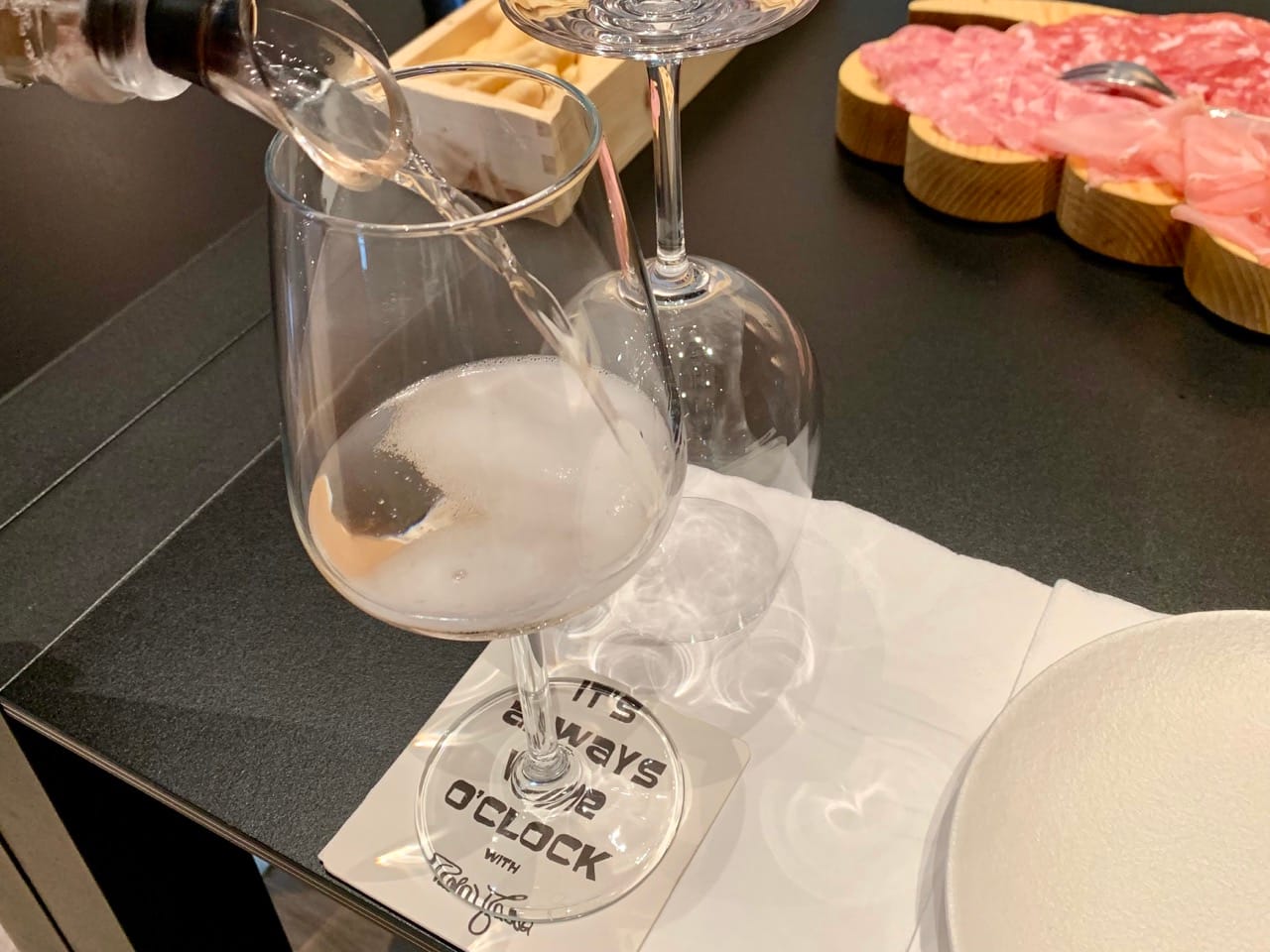
Named after Paola’s birthday (June 7th), it’s made with Pinot Noir because she likes the taste. Its fine, light bubbles are the product of 12 months of spumantizzazione (secondary fermentation). “The lighter bubbles let you taste the grapes”, she explains.
And it’s true: the bubbles are gentle on the tongue, and the taste of the Pinot Noir pairs perfectly with three local cured meats: salame crudo, cotto (the local cooked salame), and lonza, a delicately flavoured sliced pork loin. When I ask Paola how she chooses her pairings, she tells me just by trying them.
Want to discover typical Albese dishes—and the places locals eat them? Read my guide to the hidden neighbourhood where locals go to eat.
 Victoria Peel-Yates
2. Arneis: “Rivëra”, 13%
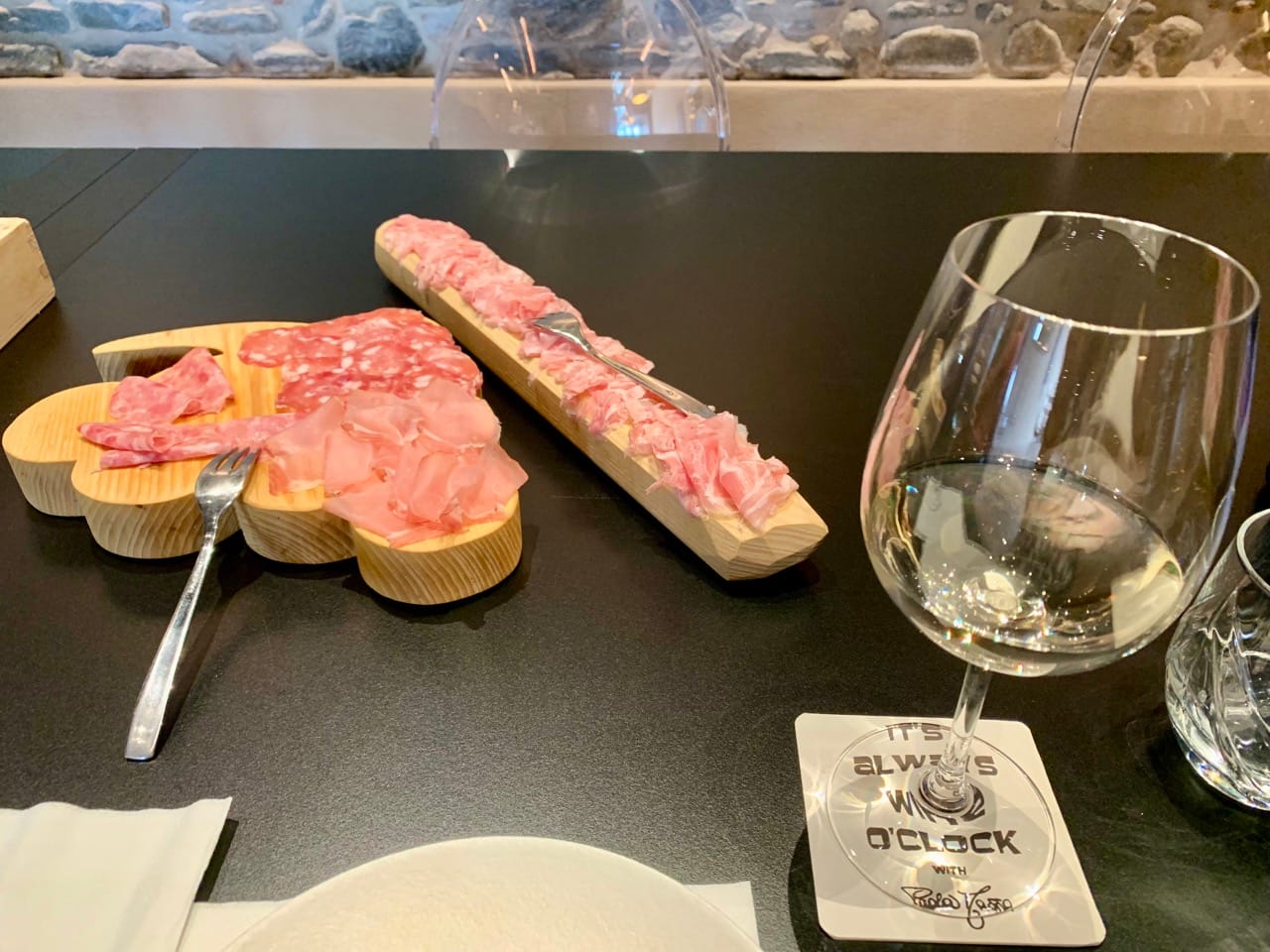
Paola explains that Arneis is a Roero staple, a fruity white wine that’s full-bodied on both the nose and palate, but not sweet. Named after the hill where the grapes are grown, Rivëra is where it all began, and the winery now produces 20,000 bottles a year.
While this wine pairs well with fish, antipasti, white meats, and fresh cheese, Paola serves it with pancetta coppata (rolled pork belly with a tender, lean core), explaining that the fat and salt contrast with the fruit—can confirm it’s delicious.
By this point, the Swiss visitors have become curious about my note-taking, and ask me if I’m a journalist. Only one of them really speaks English, but from there we strike up a somewhat broken conversation for the rest of the tasting.
3. Rosé: “La Francesca”, 13%
Though now grown up, Francesca was only three when her mother created this wine and dedicated it to her in 2007. At the time, rosé was widely considered low quality, and few local producers made it.
“I decided to change the story”, says Paola with a cheeky smile, “so I made a rosé from Nebbiolo”, the prestigious grape that goes into Barolo and Barbaresco.
Paola serves it with insalata russa made by her mother, which isn’t something I normally go crazy for, but this is delicious, and the creamy saltiness pairs perfectly with the lightness of the rosé. It’s very subtle, but you can taste the Nebbiolo.
At this point in the tasting, Francesca herself arrives, hugs all the Swiss guests, and takes over from her mother for the next two wines.

4. Dolcetto: “Garbiano”, 14%
The name is deceptive: it actually comes from the Piedmontese "dusset", and refers to the hills, not the grape. This one is also named after the hill it’s grown on, and fermentation takes place over six months in steel containers.
To my untrained palate, it tastes like it’s been vinified in wood, so I ask Francesca about it. She explains that the strong flavour is down to the grape and the increasingly hot summers, which also give it a higher alcohol percentage. “It’s a simple wine, but full-bodied because of the climate”.
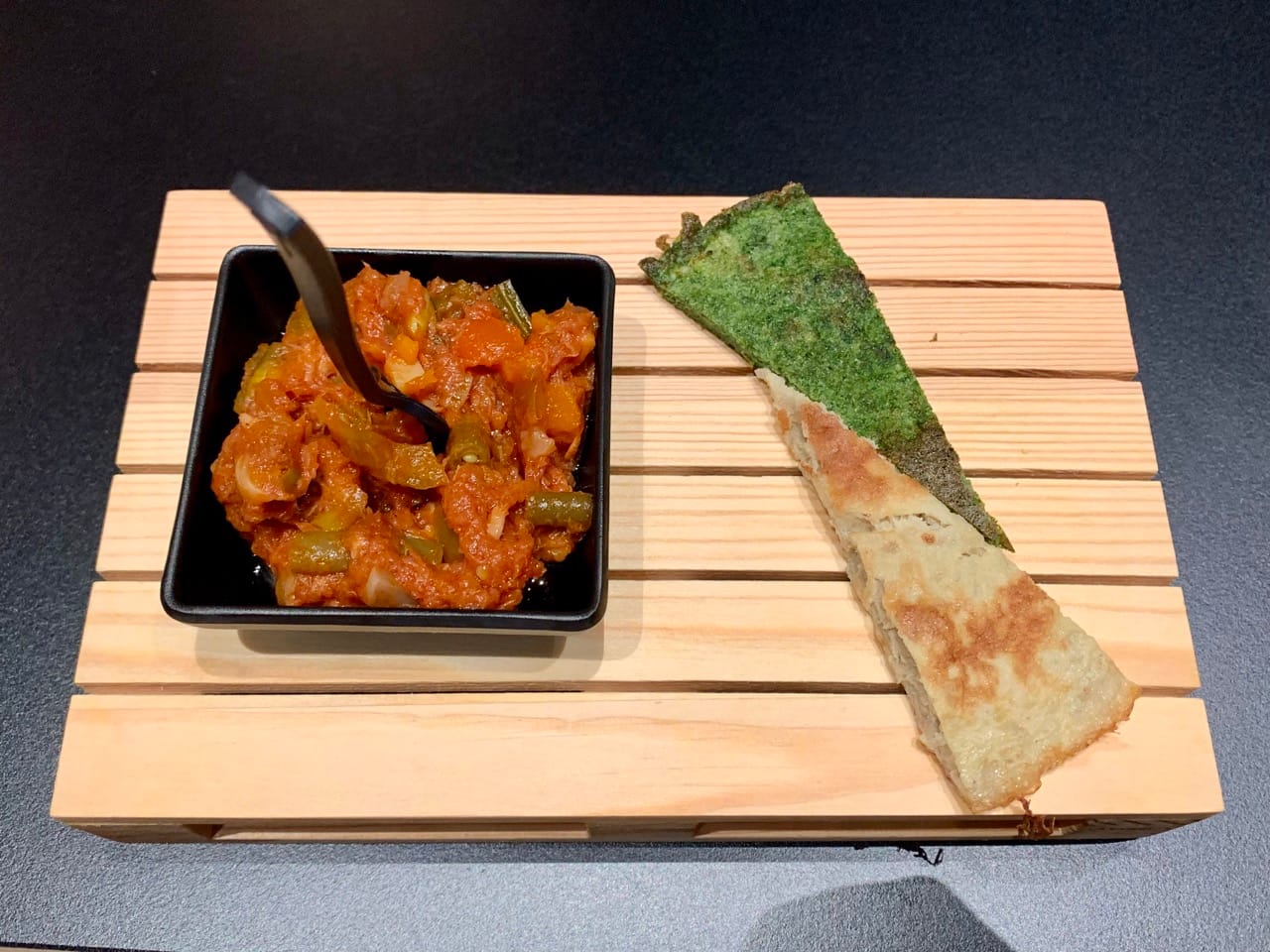
She serves it with frittata alle erbette (omelette with herbs), frittata alla cipolla (omelette with onion), and a giardiniera salad (summer vegetables cooked with tomato and vinegar), which are hearty enough to stand up to it.
5. Barbera d’Alba: “La Piobesina”, 14.5%
Barbera is one of my favourite Piedmontese wines, known for its bright acidity. Once considered a lower-quality wine, it’s what many Piedmontese families drink at home (including mine), and many Barberas now rival Barbaresco for quality and prestige.
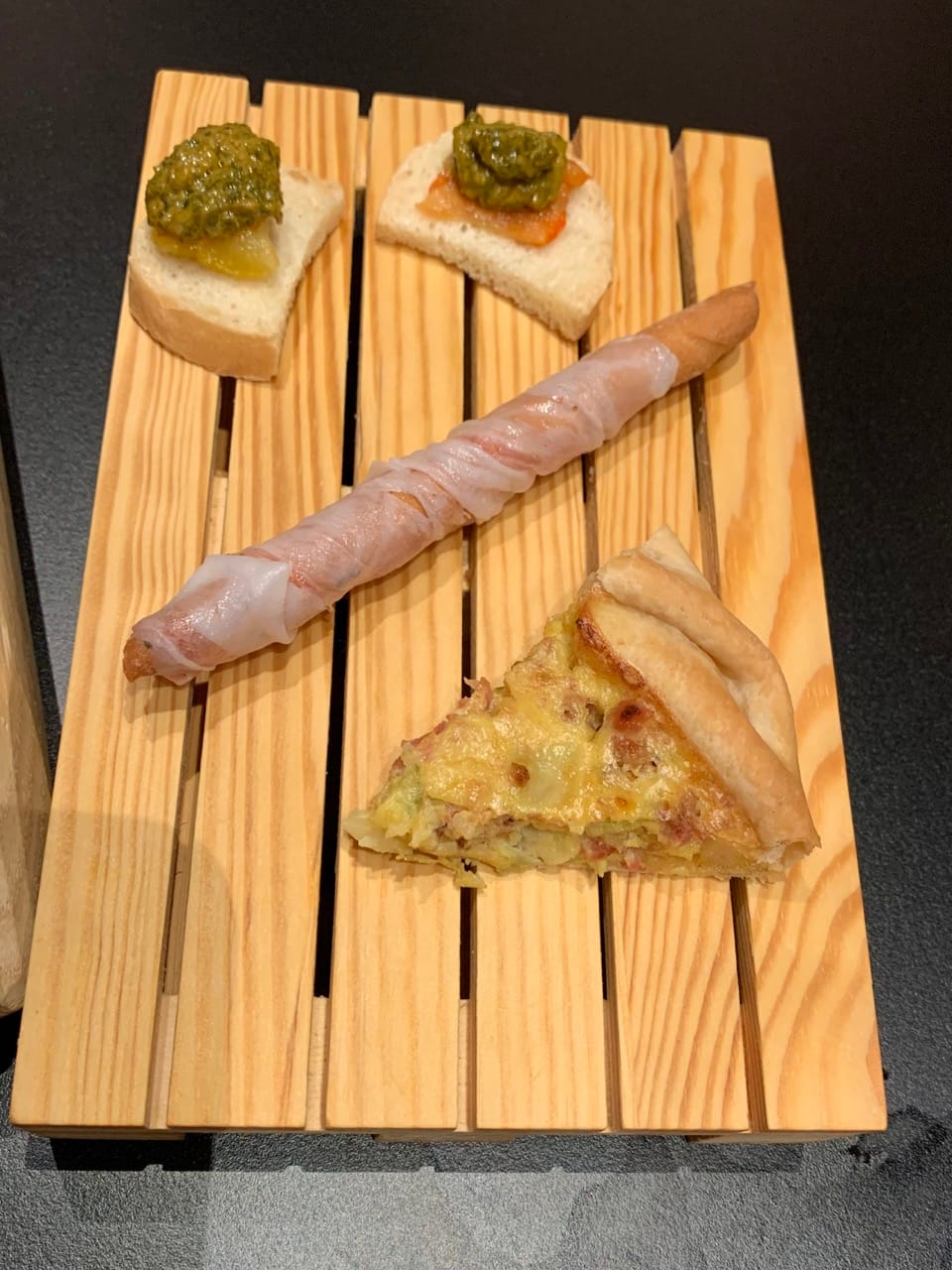
Vinified in steel for four months and French oak for six, this is, as Francesca puts it, “a spicy wine that pairs well with strong flavours”. Today, those flavours are roasted pepper crostini topped with bagnet verd (a parsley and anchovy sauce whose bite matches that of the wine), a breadstick (grissino) wrapped in melt-in-your-mouth lard, and a potato leek and pancetta tart.
Paola doesn’t usually serve the tart, but was making it for the family, and “I knew my friends were coming, so I made some for them, too”, she adds, smiling.
6. Langhe Nebbiolo: “Montiglione”
No wine tasting in Roero is complete without the Nebbiolo wines. Paola is back, changing the glasses before serving the Langhe Nebbiolo, the younger sibling of Barbaresco and Barolo.
This one is also named after the nearby hill it’s grown on, which surprises me because we’re in Roero, not Langhe. Paola explains that because it’s vinified in Langhe by their enologist, they can use the name (which is DOC protected). Winemakers can choose whether to name it for where the grapes are grown or where it’s vinified, and they went for the latter.
We’re the first to taste the 2024 vintage, which needed 18 months in barrels instead of the usual 12 because it was a rainy year. Although it’s a young wine, it will reach its maximum expression in 10-12 years.
It’s less acidic and more tannic than the Barbera, and pairs perfectly with the local toma cheeses Paola serves it with: a cow’s milk one from Bossolasco and a goat’s milk one from Roccaverano (my favourite of the two, and the tangy flavour of the cheese matches strong tannins).
7. Barolo: “Massarina”
Massarina is dedicated to another woman in the family: Paola’s mother-in-law, Catarina, who left them the piece of land in Barolo where the grapes for this wine are grown.
It’s also in honour of Paola’s father, who died in 2019. His surname and Catarina’s nickname (Rina) combined give this Barolo its name.
We’re tasting the 2022 vintage, which is the youngest it’s possible to drink today. Although the minimum for Barolo is 18 months in barrels, at Paola Massa they keep it in French oak barrels for 30 months.
More structured and tannic than the Langhe Nebbiolo, this Barolo is served with tangy, creamy gorgonzola on thin crackers.
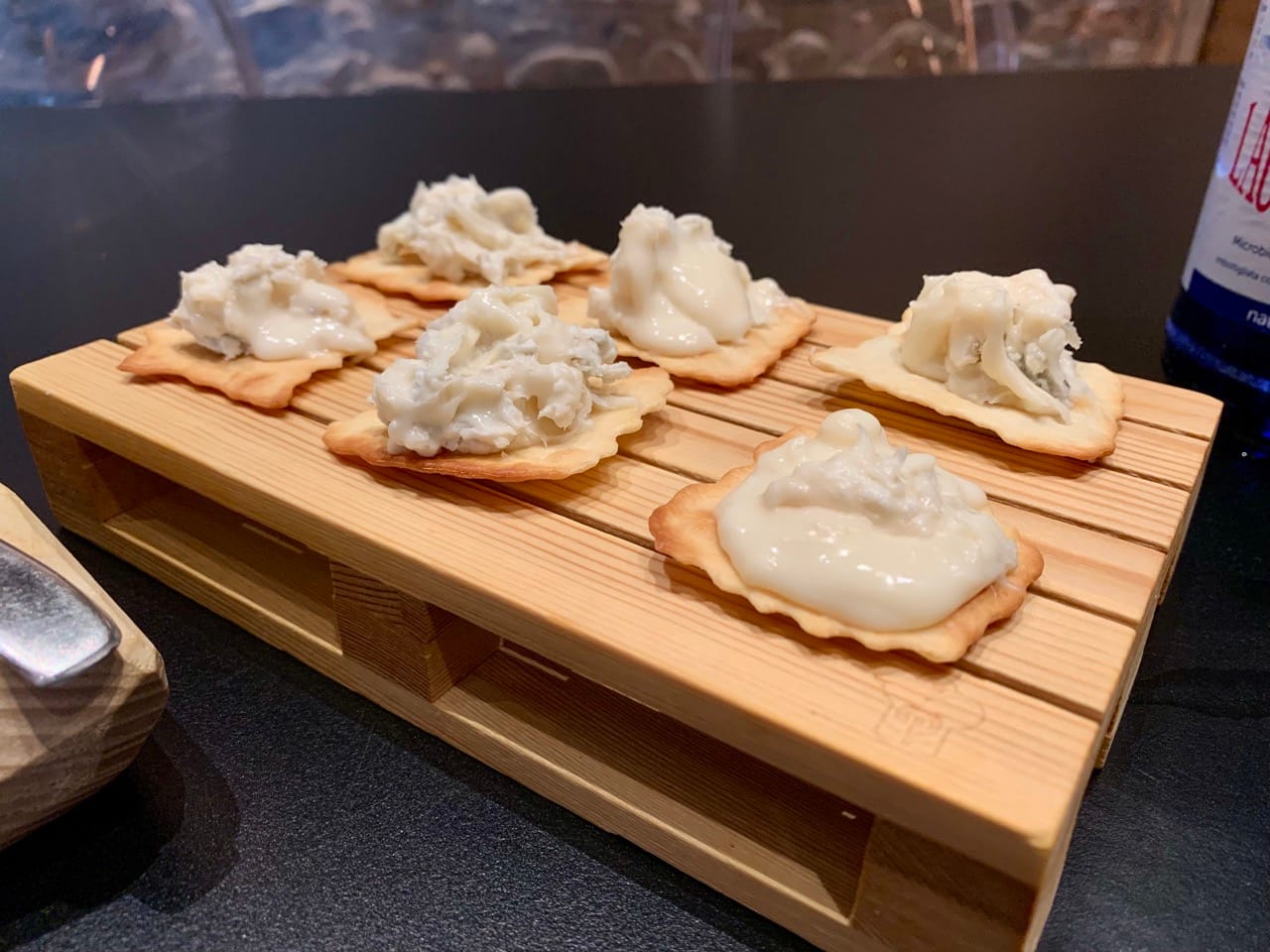
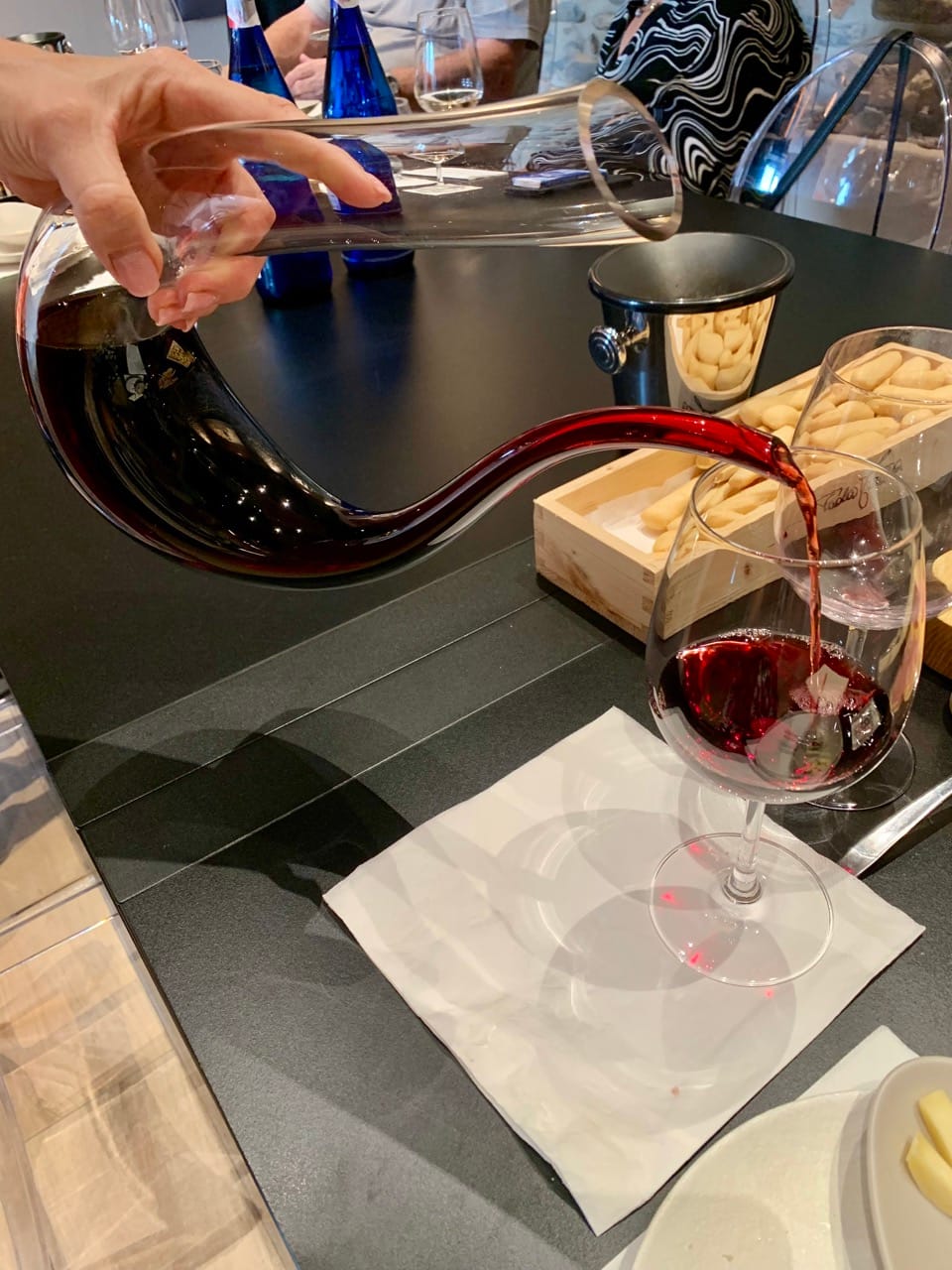
Creamy gorgonzola; Paola serving her Barolo
8. Moscato: “Rinny”
I’ll be honest, I’m not a huge fan of dessert wine (I’m not even a huge dessert eater), so this was the less exciting part of the tasting for me, but the sweetness of Paola’s moscato is light, not sickly.
Paola serves it with Tonda Gentile hazelnuts (the same ones they use to make Nutella), grown on her land and toasted to perfection, alongside a homemade peach tart.
Practical Tips for Visiting Cantina Paola Massa
- Getting there: Via Provinciale, 3, 12040 Piobesi d'Alba CN
- How to book:
- Website: https://www.paolamassa.it
- Email: info@paolamassa.it
- WhatsApp: (+39)335 721 9529
- Walk-ins welcome? Yes, as long as there’s space, Paola will accommodate you.
- Best time to visit: The winery gets busy on weekends and during peak season (late September-late December). Spring, winter, and weekdays tend to be quieter
- Price: The tasting costs €50 and includes eight wines, all paired with local antipasti. Paola will waive the fee if you buy more than 12 bottles of wine per person.
Looking for a place to stay near Alba? Browse and book your accommodation here.
A Winery Worth Watching
By now, the tasting has lasted over four hours, and I have to rush off for my next meeting. I quickly say goodbye to the Swiss visitors and Paola, promising her I’ll be back next time I have guests visiting.
Living just down the road, I look forward to seeing what comes next for this mother-daughter winery: what Francesca brings to it once she’s finished her degree, and what Paola dreams up next. If the last 24 years are anything to go by, I wouldn’t be surprised if there’s a ninth wine to try.
Planning your wine tastings around Alba? Grab my free "Local's Guide to Alba" to pair your wine tastings with the best local trattorias, places to stay, and a truffle season packing list.