How Many Days Do You Need in Piedmont, Italy? 10 Ready-to-Go Itineraries
These itineraries adapt to your schedule.

Some of the links in this post are affiliate links. I may earn a small commission if you make a booking at no extra cost to you.
The short answer: it depends on what you’re looking for.
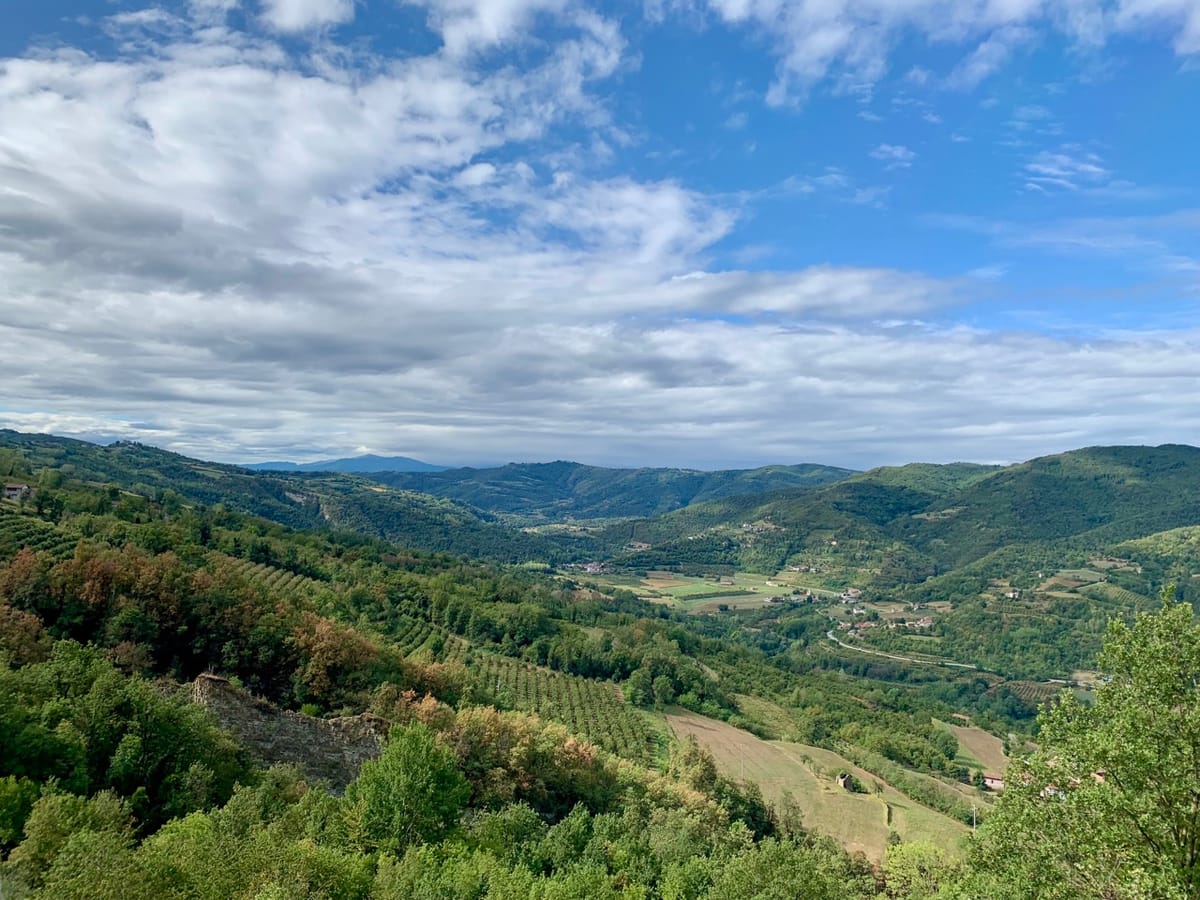
Piedmont (Piemonte) is one of Italy’s largest and most varied regions, stretching from 4,000-metre peaks to vineyard-covered hills.
You can visit it as a city break, a wine escape, a hiking destination, a skiing heaven, or a slow-travel pilgrimage—and each has different timing requirements.
Below, you’ll find suggested itineraries for your visit, depending on how much time you have.
Looking to discover Piedmont beyond Alba and the Langhe? This Alta Langa itinerary covers the hidden villages most guidebooks miss.
 Victoria Peel-Yates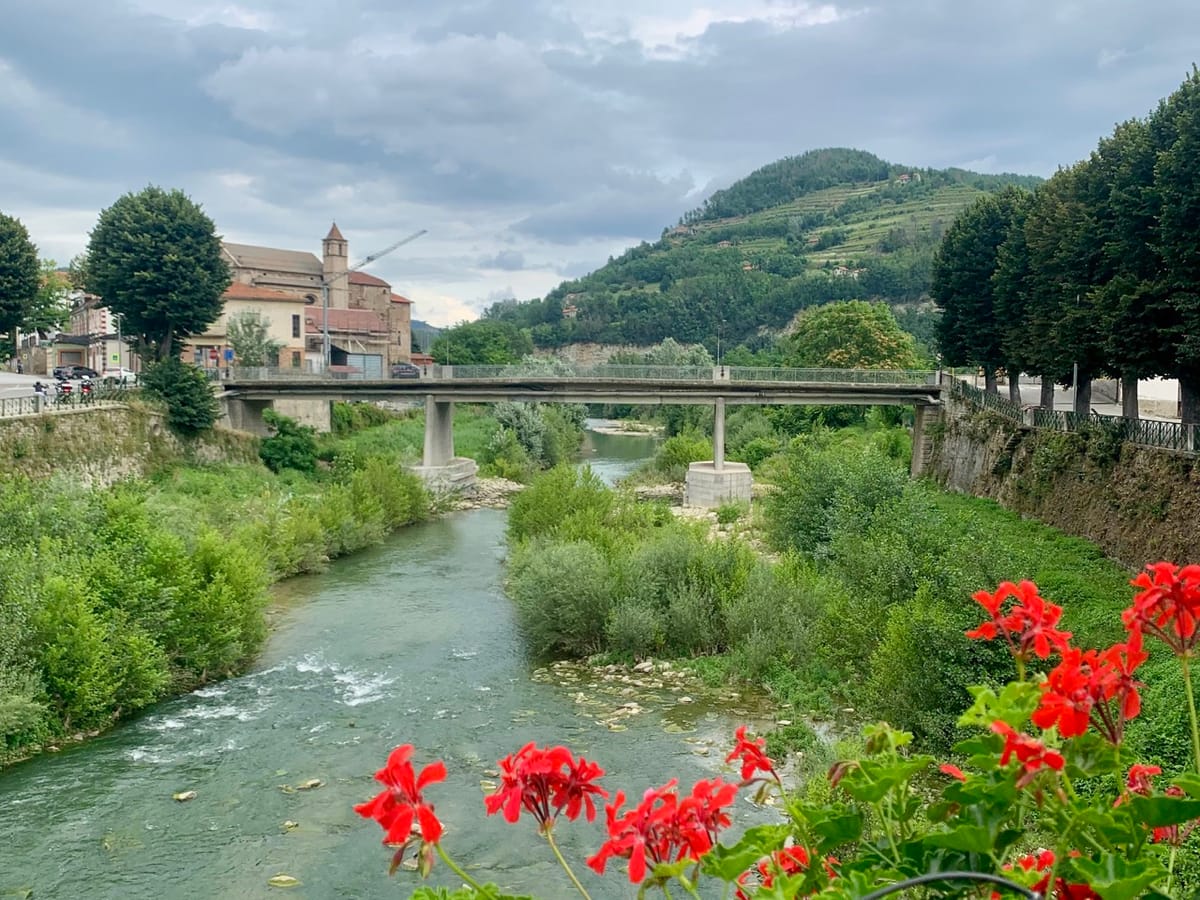
If You Have 2–3 Days
A long weekend is just enough to get a taster of one destination rather than trying to cover too much ground.
1. Turin City Break
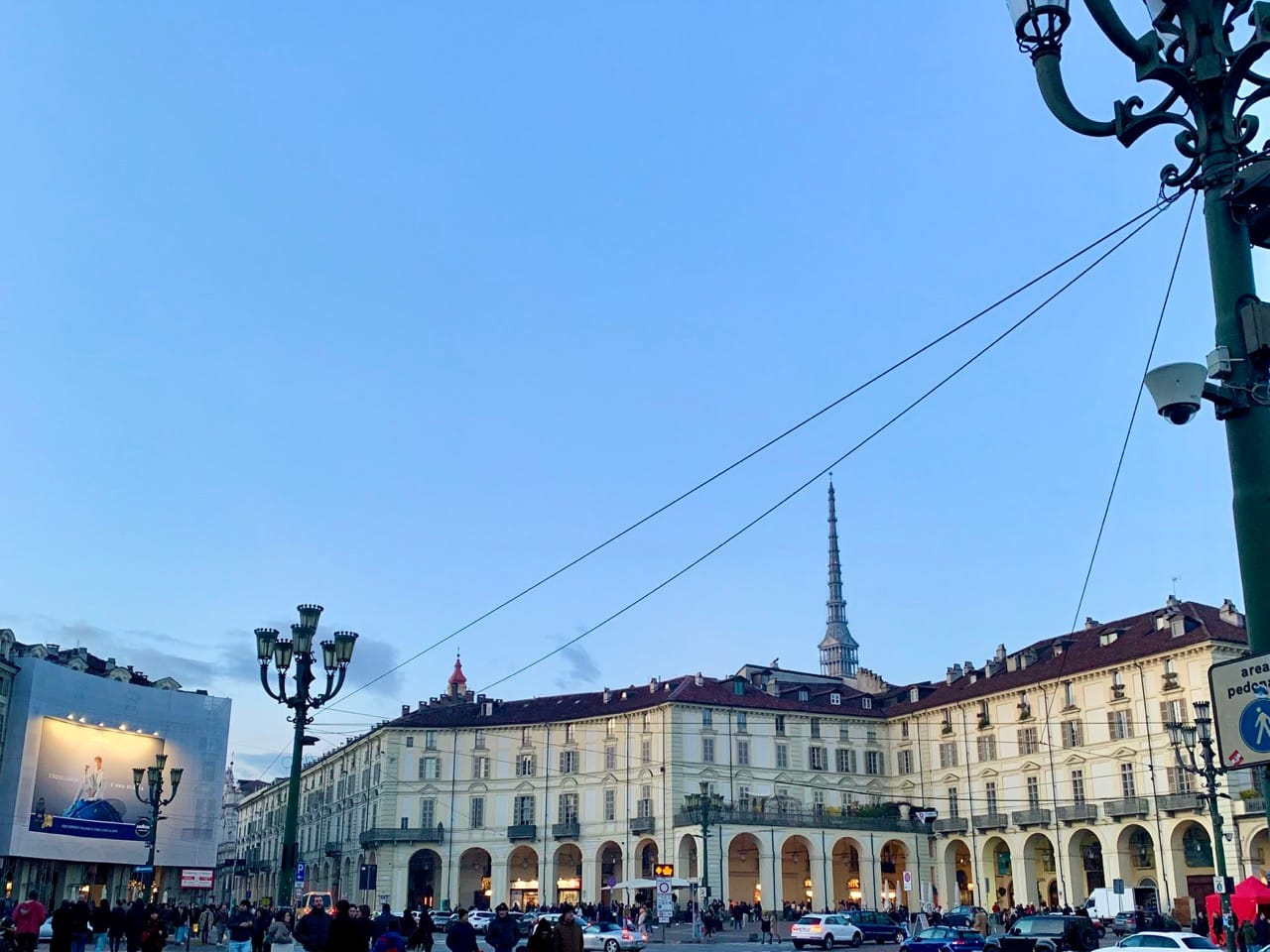
Turin—with its porticoes, elegant architecture, and general air of refinement, is one of Europe’s lesser-known royal capitals, blending French and Italian flair, which makes it an ideal city-break destination.
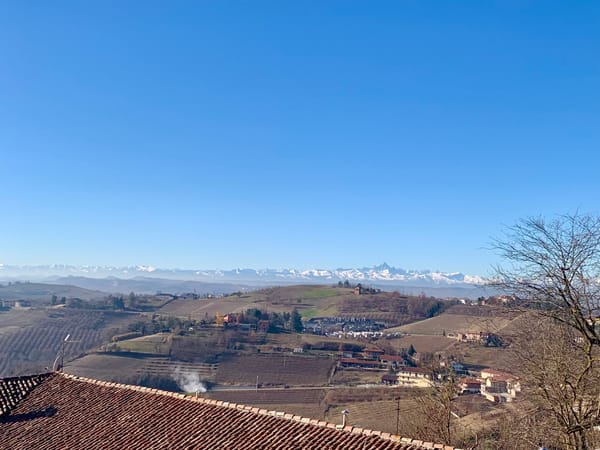
It’s charming year-round, but winter has a particular magic. Snow-capped Alps loom over the city, and each February, Turin hosts CioccolaTò, a chocolate festival that makes for a romantic winter escape.
Culture lovers are spoiled for choice: the Egyptian Museum houses the largest collection of artefacts outside Cairo, while the Cinema Museum inside the Mole Antonelliana offers panoramic views. There’s also the royal palaces, the automobile museum, and countless art exhibitions.
If the occult intrigues you, Turin is said to sit at the intersection of both a black magic triangle and a white magic triangle. Specialist guides offer walking tours that explore the city’s esoteric symbols, legends, and darker folklore.
Visiting Turin this Valentine's Day? Here's how to make the most of your romantic weekend.
2. Vineyard Escape
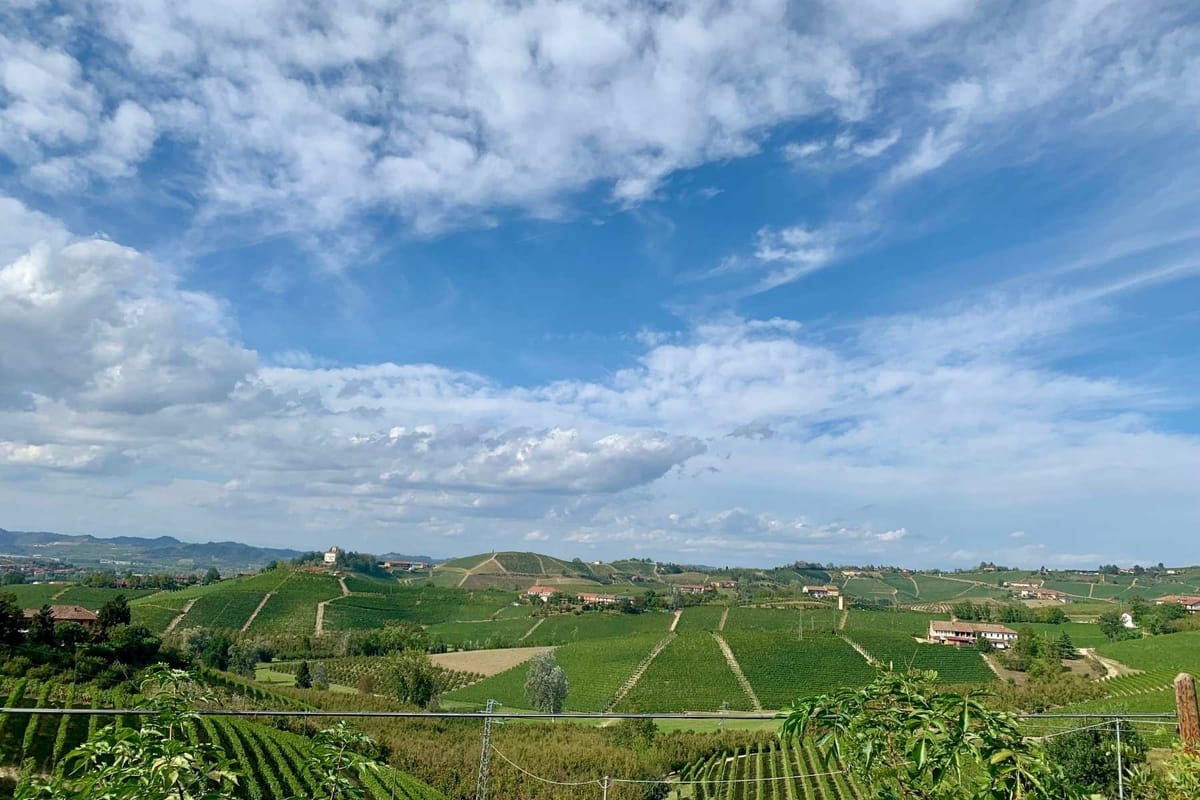
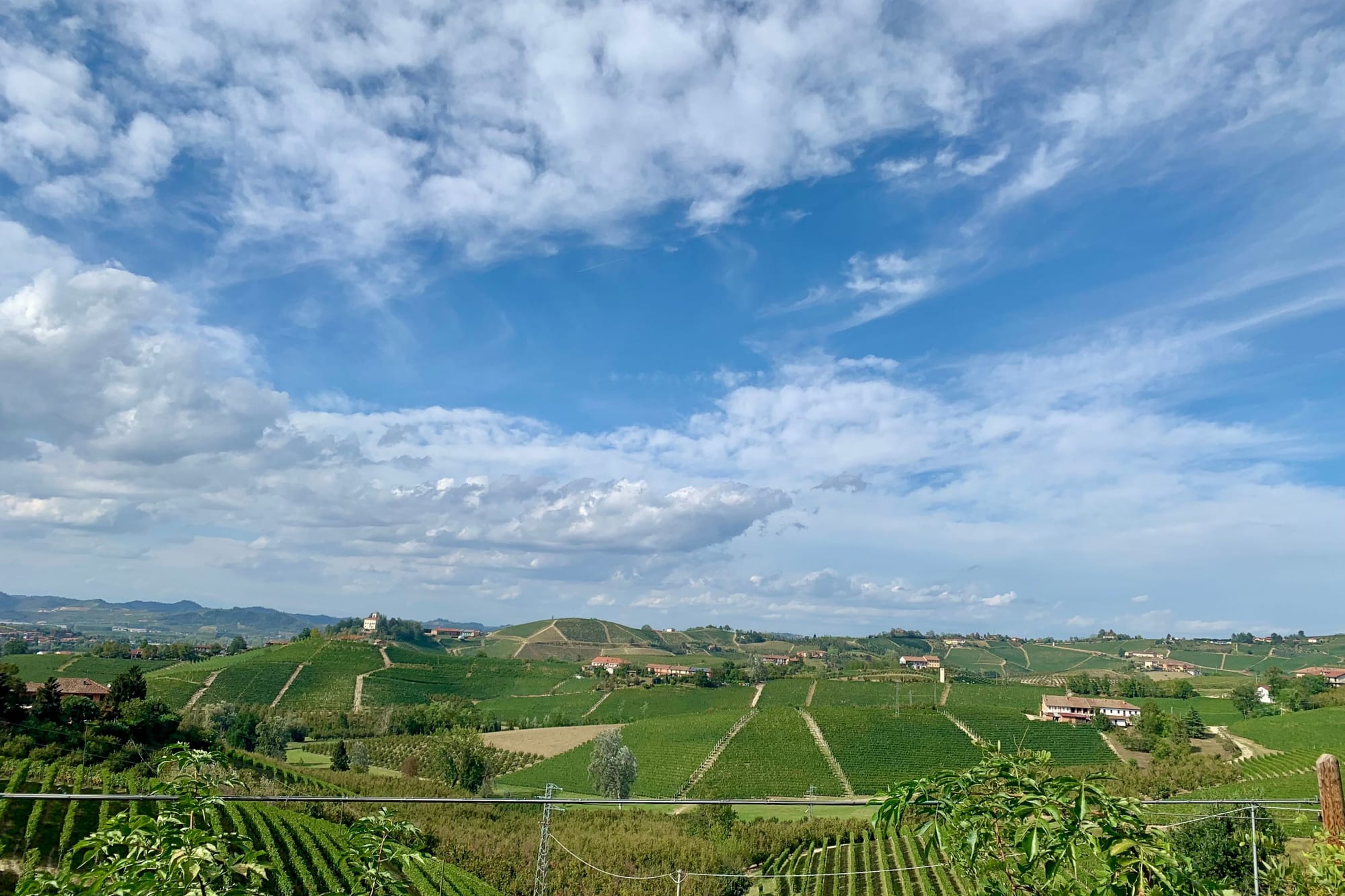
Piedmont is famous for its wines, especially those from the UNESCO-listed hills of Langhe, Roero, and Monferrato, that surround the towns of Alba. If you’re flying into Turin, you can take a train to Alba (direct, 1 hour) and organise onward travel into the hills, or rent a car and drive directly.
Alba is undeniably charming, but it has become increasingly expensive thanks to the truffle fair and cluster of Michelin-starred chefs. Meanwhile, Asti and Alessandria remain more local and relaxed, but just as beautiful.
For something different, head north of Turin to the Canavese wine region, around Caluso and Ivrea. This lesser-known, high-altitude area produces Erbaluce, a white wine that deserves far more attention than it gets.
Across all these areas, you’ll find agriturismi and cantine offering accommodation, tastings, and easy access to walking and cycling routes, whether on foot, e-bike, or e-Vespa—just be careful on winding roads after tastings!
3. Lakeside & Chill
For a restorative short break, head to Piedmont’s glassy Alpine lakes. Lake Orta is the most intimate, with a compact historic centre and easy boat connections to San Giulio island.
Lake Maggiore, shared with Lombardy and Switzerland, offers grand villas, botanical gardens, long lakeside promenades, and boat tours to the Borromean Islands.
While Maggiore has become more popular in recent years, both lakes remain quieter than the Langhe during peak seasons and are well suited to a slower, less food-centric itinerary.
Wondering when to visit? This guide covers Piedmont throughout the year—including weather, events, and what to see and do—so you can pick the season that suits you best.
 Victoria Peel-Yates
If You Have 3–5 Days
One classic itinerary pairs two days in Turin with two or three days in the hills. Alba, Asti, or a smaller village base allows you to explore wineries and hilltop towns.
A popular way to do this is by car, e-Vespa, or e-bike. Possible routes include:
- Langhe, Roero, and Monferrato
- Langhe and Alta Langa
- Caluso, Ivrea, Biella, and Gattinara
4. Hiking in the Alps
Piedmont’s Alps are easy to access from Turin, yet far less busy than more famous Alpine regions. Try walking Segment 2 of the Via Francigena between Susa and Chiusa San Michele, which combines Roman ruins, medieval villages, and mountain scenery.
The walk takes seven to eight hours, so you can spread it over one or two days. From Chiusa, visit the Sacra di San Michele—the symbol of Piedmont—before returning to the city.
5. Alta Langa Village-Hopping
A visit to Alta Langa offers a glimpse into Piedmont’s rural soul. Head beyond the world of wine and truffles into the Bormida Valley, and you’ll discover a different world.
Here, hilltop villages are relatively untouched by tourism, and invite you into a slower pace of life: think walks in the woods, expansive views, and long, leisurely lunches rather than ticking off sights.
The weather in this area is cooler and more changeable than in the lower hills, and snow and ice can affect accessibility during winter.
6. Outdoor Adventures
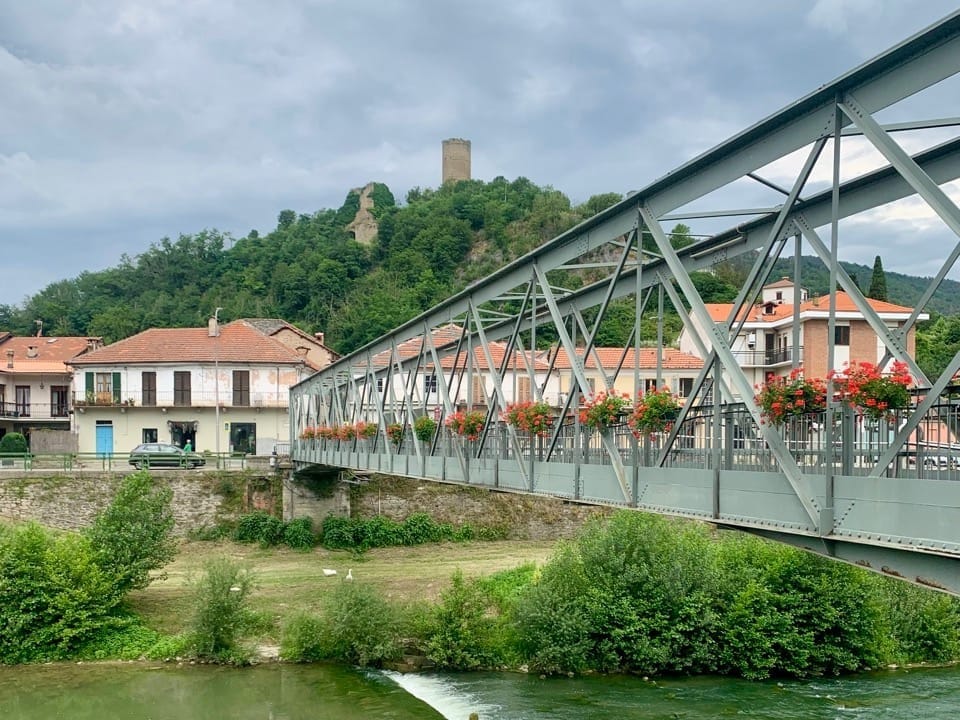
Although Piedmont is less famous for adventure than for food and wine, it offers a wide range of outdoor activities, including canoeing, kayaking, hang gliding, paragliding, and even ziplining—as well as high-altitude trekking and via ferrata climbing routes.
The mountains that surround two sides of the region provide a network of valleys, gorges, forests, and rivers, and are full of adventure tourism guides who will be happy to accompany you.
Outdoors enthusiasts should try white water rafting on the Sesia river or paragliding near Monte Rosa.
7. Wellness Getaway
Piedmont has a strong tradition of thermal and mineral waters, and destinations such as Acqui Terme—a Roman spa town—Agliano Terme, and parts of Monferrato offer spa hotels set in charming locations.
To the north of Turin, areas around Biella and the Canavese combine wellness centres with forested landscapes and easy walking routes.
If You Have 1 Week
One week gives you enough time to get a feel for Piedmont as a whole—the following itinerary ideas combine the best of the previous suggestions.
8. Slow Travel Loop
This route gives you a little bit of everything: city, wine country, and mountains. Start in Turin, then head south into the vineyard towns of the Langhe and the wooded hills of the Alta Langa, where you can book charming stays in refurbished farmhouses and medieval castles.
From there, continue west towards the mountains around Cuneo. In spring and summer, this area is ideal for hiking and valley-based walking; in winter, it works well for snowshoeing or skiing.
Finish the loop by travelling north through the Susa Valley to take in Roman history, pilgrimage routes, and dramatic mountain scenery before returning to Turin.
For an alternative route, travel north from Turin into the Canavese and Biellese areas, combining the vineyards around Caluso and Ivrea with the forested foothills near Biella.
Continue to Lake Orta or the quieter Piedmontese side of Lake Maggiore, before looping back through the mountains via the Ossola valleys or lower Alpine passes.
If You Have 2 Weeks
With two weeks, you can combine any of the itineraries above, or try something a little different—like one of the following.
9. Walk the Salt Roads
Historically, the Salt Roads were the trading routes that wound through the Maritime Alps, connecting remote parts of Piedmont with the sea and providing its people with supplies of salt and fish.
Today, they make a great, lesser-known alternative to the Camino de Santiago, with numerous routes catering to various times and difficulty levels. While you can walk the Alta Via del Sale in a day, the following routes make an ideal walking holiday:
- The Pagarine Route takes 10 days and connects Cuneo to Nice in France.
- The Smuggler’s Route takes 8 days and connects Cuneo with Imperia on the Ligurian coast.
- The Royal Route takes 9 days and connects Cuneo to Menton at the French-Italian border.
10. Immersion Escape
Sometimes, the best way to get to know a place is to settle into its daily rhythms. With two weeks, it becomes easy to explore one area deeply rather than skimming several.
One option is to base yourself at a spa or countryside hotel in the hills of Monferrato, Langhe, or Alta Langa, where days naturally fall into a pattern of morning walks, long lunches, and afternoons spent reading, writing, or soaking in thermal waters.
Areas such as Agliano Terme, Acqui Terme, and the quieter parts of southern Monferrato work particularly well for this kind of stay.
For a creative retreat, Piedmont’s villages lend themselves to writing, photography, or food-focused travel. Basing yourself in places like Alta Langa, the Canavese, or Biella allows you to build a routine around local cafés, markets, and walks.
If you want a more hands-on experience, consider volunteering or staying on a working farm or winery, particularly during grape harvest or hazelnut season. Some agriturismi and small producers welcome short-term help in exchange for accommodation and meals.
How to Get Around Piedmont
Piedmont is large and topographically complex, which makes getting around a challenge. Cities and towns are well connected by train, but rural hill and mountain areas are harder to reach without a car.
While many visitors like the flexibility of hiring a car, others prefer to avoid driving Piedmont’s winding mountain roads, relying mainly on trains to get around.
To encourage visitors to ditch cars for more sustainable travel, the region launched MaaS Piemonte—a connected transport scheme that provides personalised routes combining public transport with ride-sharing and e-bikes where available.
Need help getting to Piedmont? This post covers air, road, and train travel.
 Victoria Peel-Yates
So, How Many Days Do You Really Need in Piedmont?
There’s no single right answer to how long you need in Piedmont—but there is a right pace.
Piedmont is a destination for travellers who appreciate slowing down. Distances may look short on a map, but hills, mountains, and the local pace of life mean that less is often more.
Choose the version of the region that fits the time you have—and leave yourself something to come back for next time.
Wondering what makes Piedmont different from other parts of Italy? Read how the region compares to Tuscany—and what makes Piedmonte unique.
 Victoria Peel-Yates