The Case for Slow Travel (+ Why Piedmont is Made for it)
The bucket list is dead—do this instead.
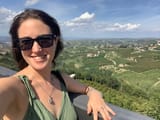
In the early 2000s, “bucket lists” were all the rage among university-age Millennials like me. As a generation that wanted to rebel against the materialist ambitions of our parents, we were all about experiences—and for many, that meant travel.
I was pretty extra when it came to my bucket list—I ticked off most of Central America in just two months, whizzed round India in three, and took a whistle-stop ten-day tour of Korea and Japan.
The places I visited on those trips, while amazing, were like items to cross off a shopping list, things to be acquired and collected. But I learned so much more from living in other countries, learning their languages and observing their cultural rituals.
Because that selfie with the Taj Mahal might look cute on your desk, but what does it teach you about India? Only that it’s nearly impossible to get a selfie with the Taj Mahal without hundreds of other people in the background.
Thinking of visiting Piedmont but not sure how long you need? Get 10 flexible itineraries that adapt to your schedule.
 Victoria Peel-Yates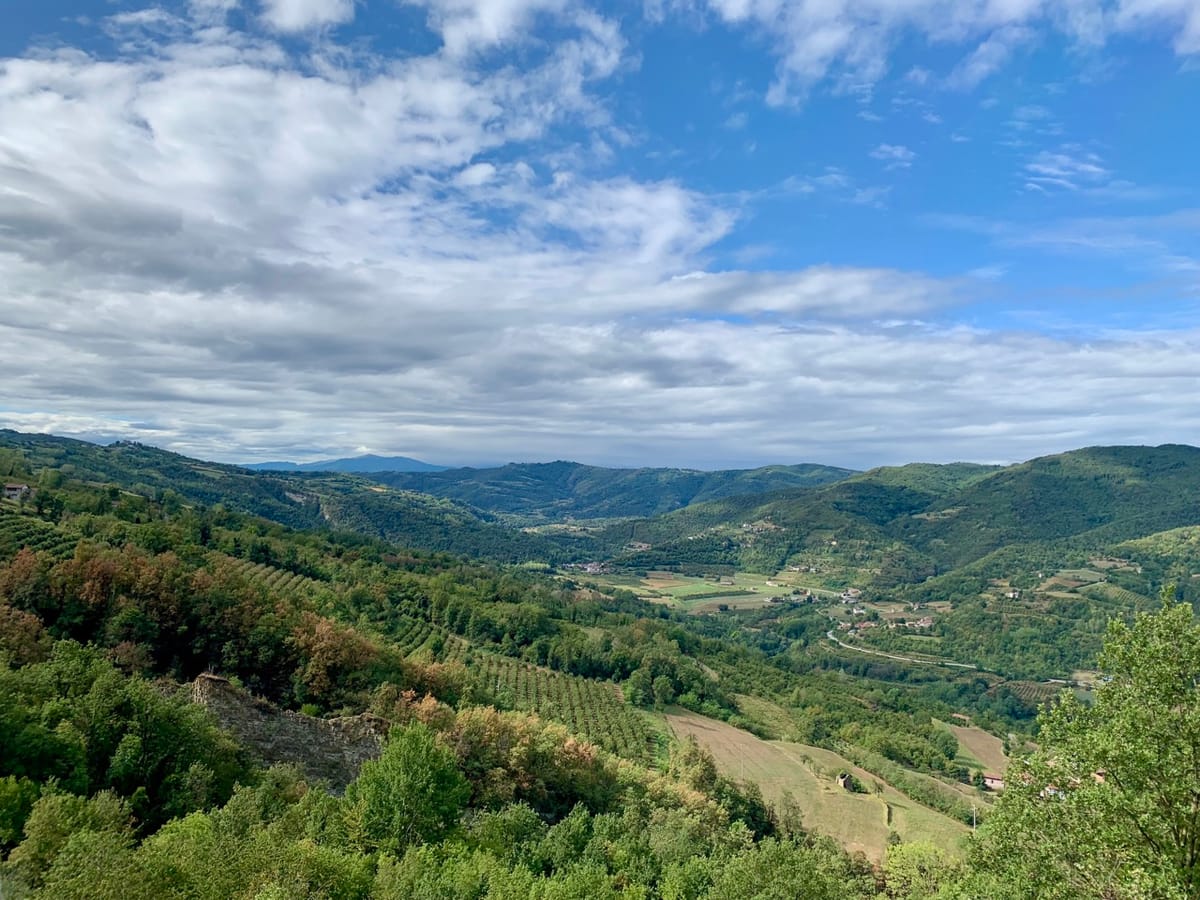
What Is Slow Travel?
Rather than rushing to your destination and from one selfie hotspot to the next, slow travel encourages slowing down enough to be fully present with the experience.
While its meaning is somewhat open to interpretation, it’s broadly about taking a more sustainable, conscious approach to travelling. Think sitting in a piazza watching the world go by rather than cramming all of Rome’s sights into one day, or favouring low season travel and less popular destinations.
The one thing most people agree on? Slow travel was inspired by the Slow Food movement—which began in Piedmont. In 1986, Carlo Petrini led a protest against the opening of Italy’s first McDonalds in Rome with the slogan “We don’t want fast food, we want slow food!”.
Back in his home town of Bra, Petrini founded the Slow Food movement at the Osteria Boccondivino, and the organisation has shaped Piedmont’s food philosophy ever since. This connection with Piedmont—along with its climate, cuisine, and culture—makes the region the ideal destination for slow travel.
“We have lost our sense of time. We believe that we can add meaning to life by making things go faster. We have an idea that life is short — and that we must go faster to fit everything in. But life is long. The problem is that we don’t know how to spend our time wisely.”
— Carlo Petrini, September 2008
Why Piedmont Is the Perfect Slow Travel Destination
Slow travel is all about avoiding tourist traps and discovering the places that bucket list travellers miss—and Piedmont remains relatively unknown compared to destinations like Rome, Tuscany, and Sicily.
Discover how Piedmont compares to Tuscany.
 Victoria Peel-Yates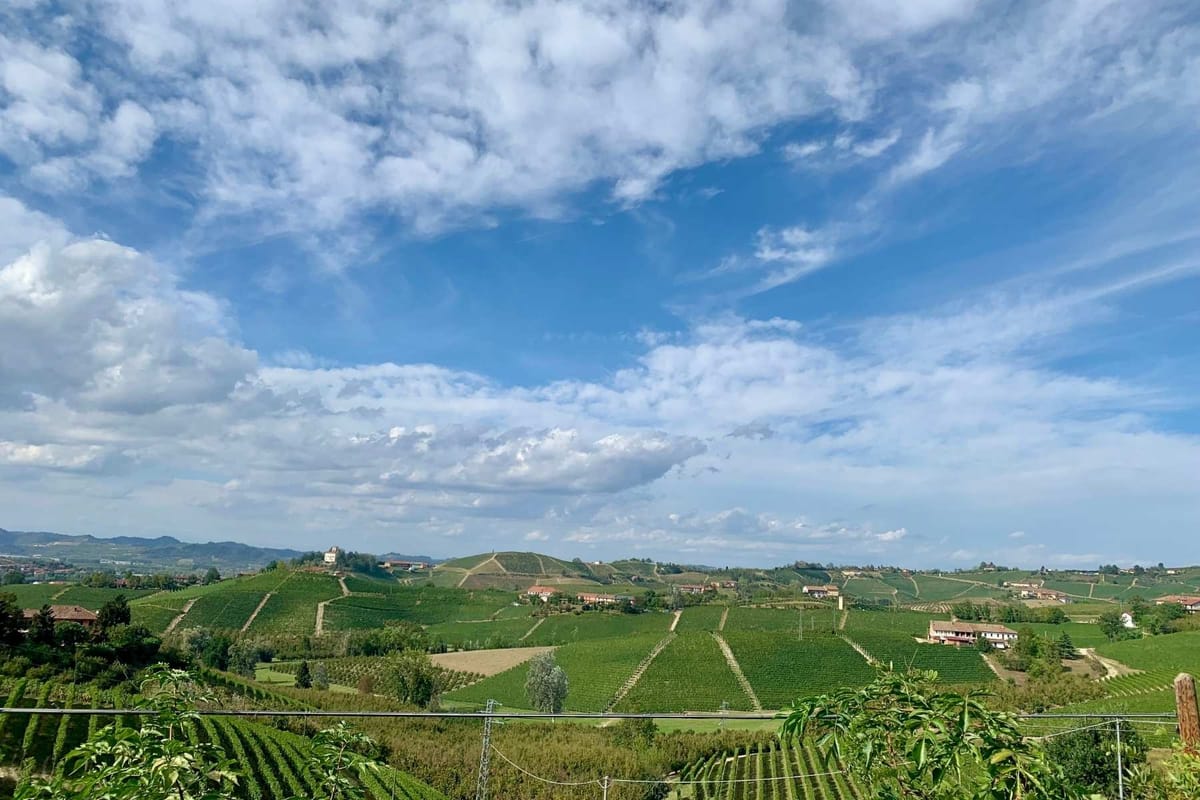
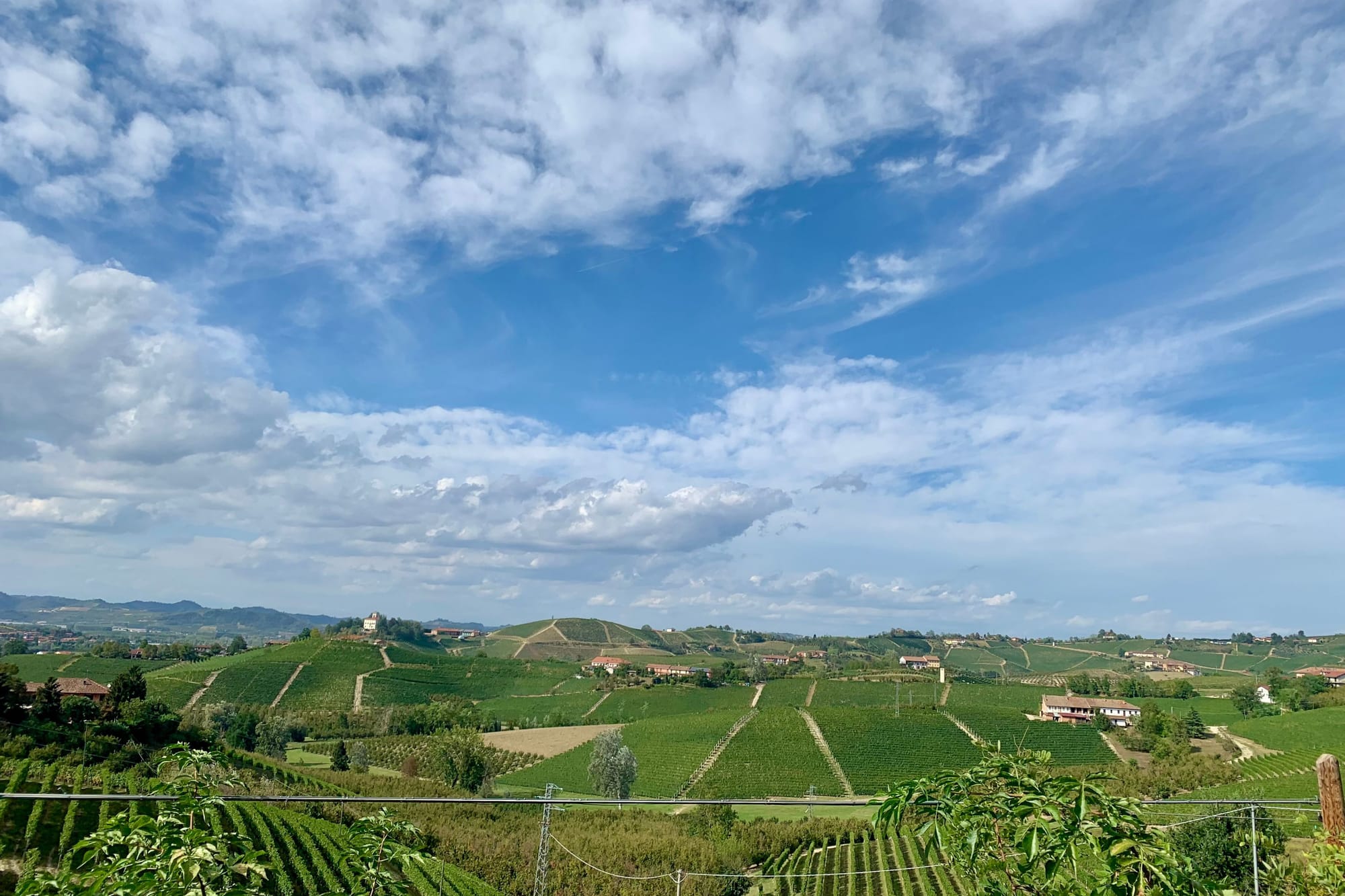
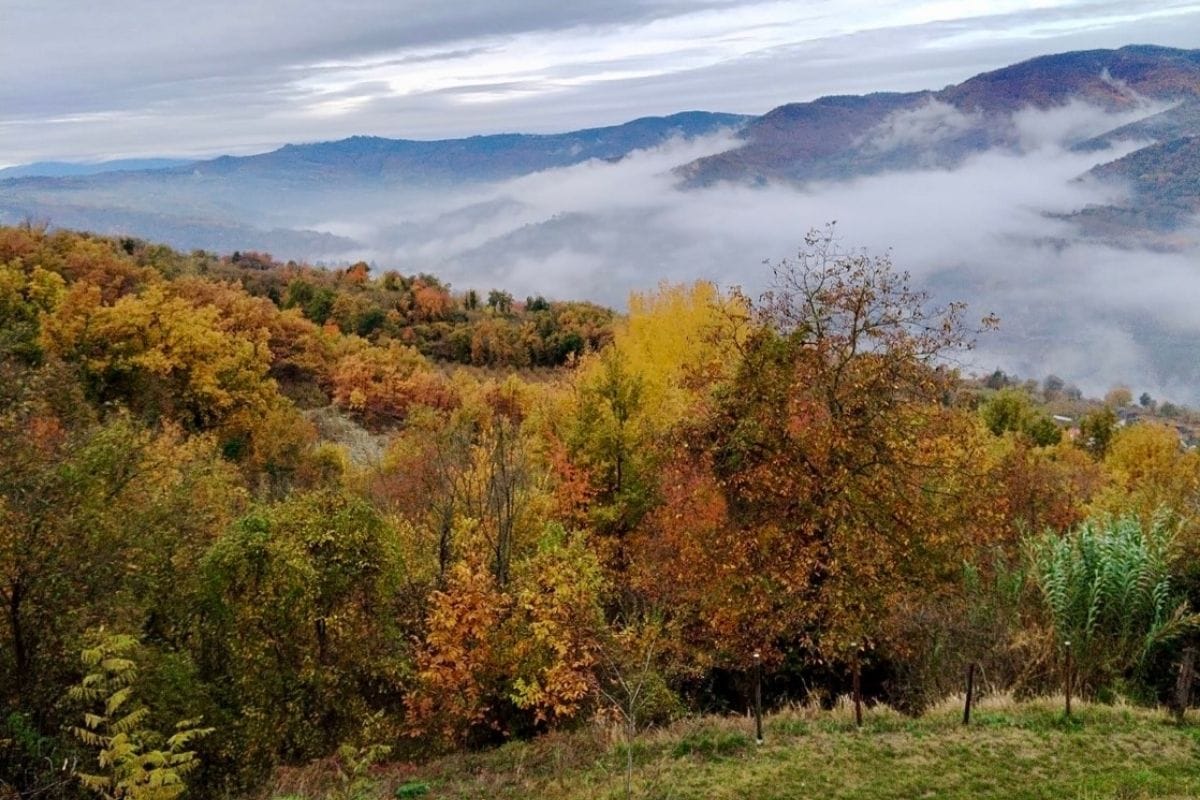
This is a region that forces you to slow down—literally. Its topography means you’re always going either up or down a hill—usually on narrow, winding roads that make short journeys take much longer than you might expect. Add to the mix fog, snow, ice, and rain, and you can see why Piedmont is not a place to be rushed.
The fact that the Slow Food movement began here is no coincidence. With its unique terroir and royal past, the region has a history of gastronomic and oenological excellence that has produced not only world-class wines but also the elusive Alba white truffle—the current darling of the world’s top chefs.
The other face of Piedmont is its humble agricultural roots. Seasonal living is in the Piedmontese DNA, and most people still grow their own vegetables, forage for wild plants, and know which mushrooms are edible—knowledge that we’ve lost in many industrialised countries.
That mentality of seasonality and excellence is channeled into everything they do—from the humblest plate of tajarin with butter and sage in a family osteria to truffle-topped carne cruda all’albese at Alba’s 3-star restaurant, Piazza Duomo.
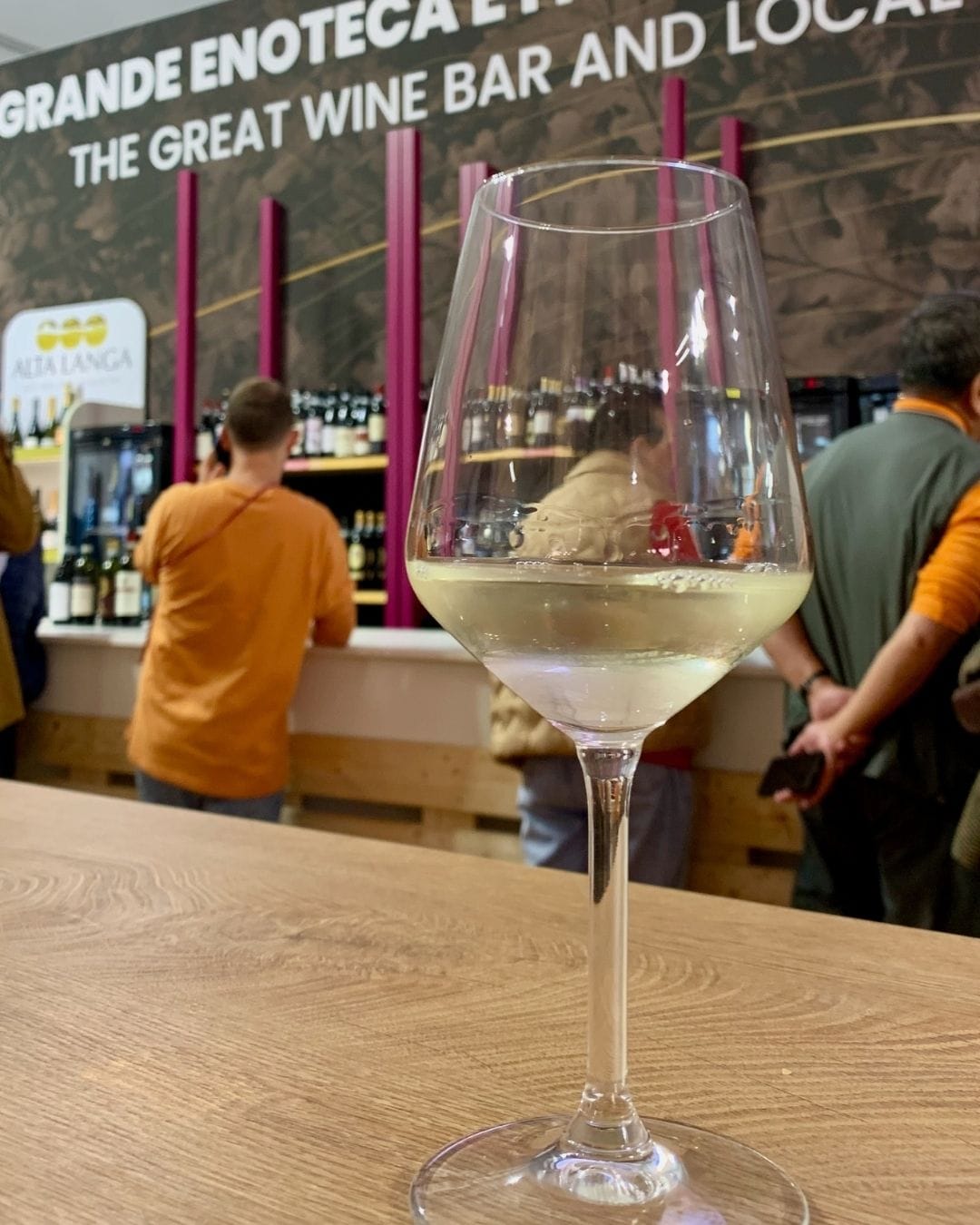
It’s the perfect place to linger over a glass of wine with vineyard views at sunset, eat an entire meal of nothing but antipasti, or go off grid on an Alpine hike.
Planning a trip to Piedmont? This seasonal guide will help you pick the perfect season to visit.
 Victoria Peel-Yates
Make Piedmont Your Next Slow Travel Destination
Slow travel in Piedmont marks a shift away from bucket-list thinking of “destination as product” and towards a sensory, sustainable travel experience.
By avoiding mass tourism, buying local, and using public or low-impact transport where possible, you can support local ecosystems and communities while discovering the region according to its rhythms.
In return, you’ll get something better than a selfie at the Colosseum—cosy autumn lunches in hilltop cascine, tasting Barolo in a medieval castle, and a chance to meet the people who make Piedmont what it is.
Wondering where to stay? Here are 10 of the best luxury hotels near Alba.
 Victoria Peel-Yates