5 Surprising Things You (Probably) Didn’t Know about Piedmont
Forget everything you thought you knew about Italy.

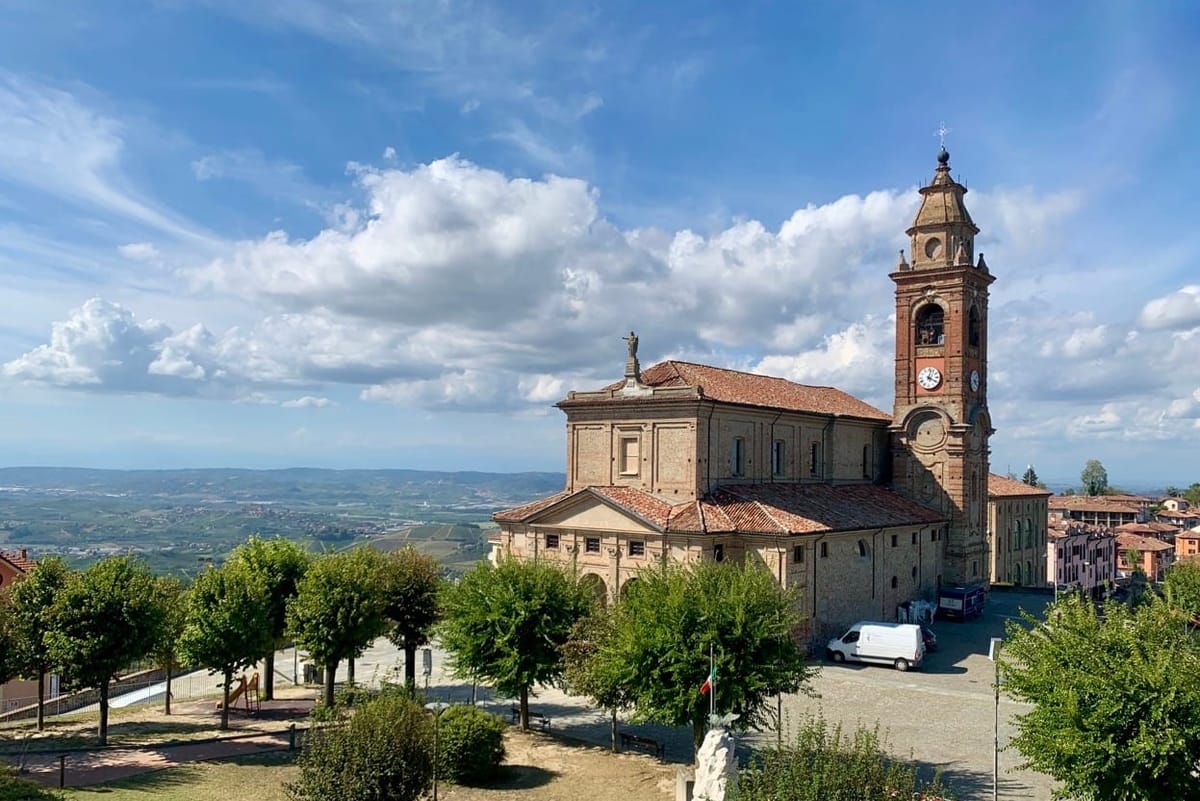
When I mention Piedmont to non-Italians, I often get a blank look. The name might ring a bell, but they don’t know where it is—or why you would go there. (No judgement—I was one of those people, too.)
Some have heard of Alba, with its truffles and wine, or Turin, the elegant city at the foot of the Alps—but few realise they’re part of the same region.
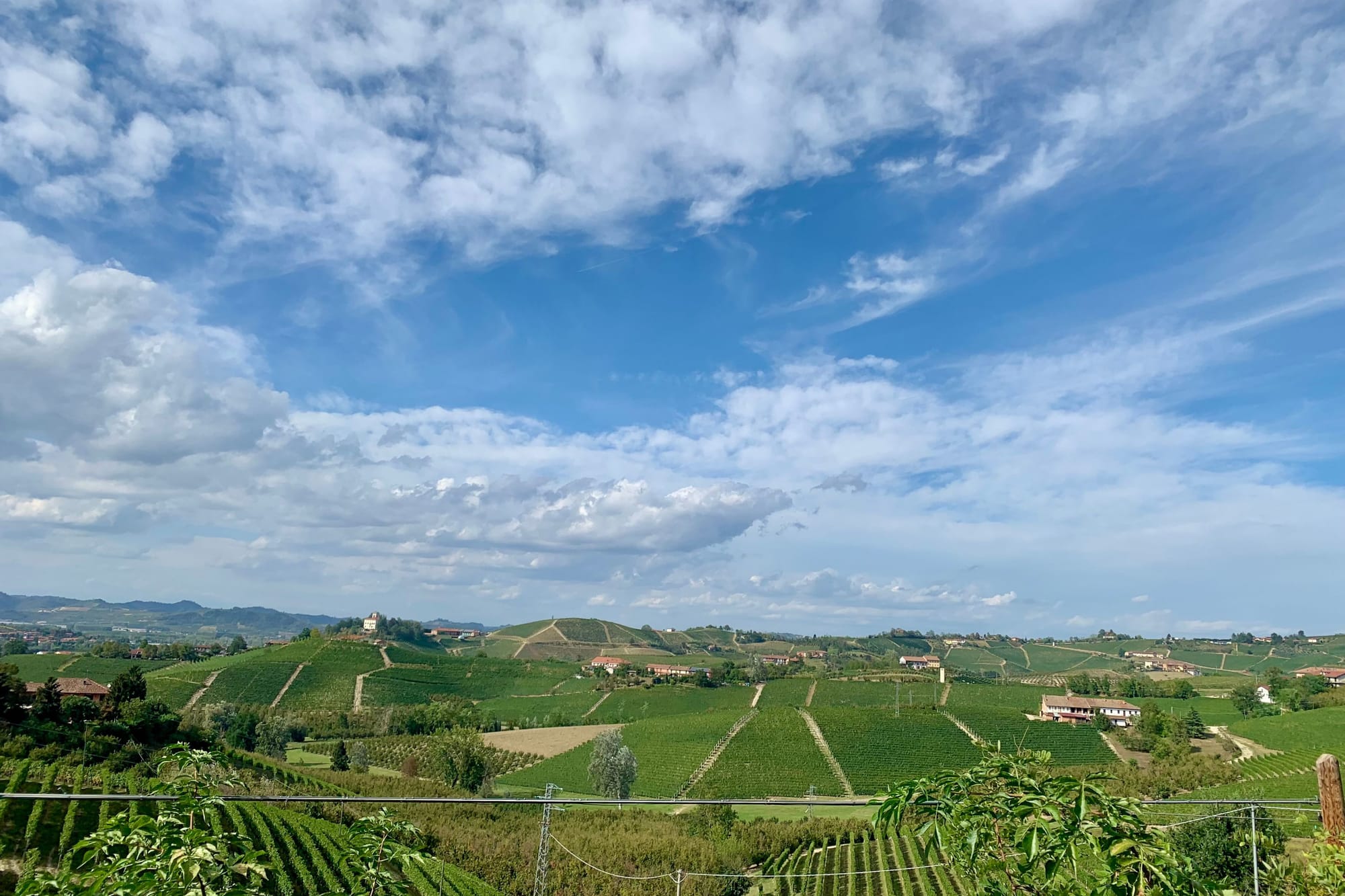
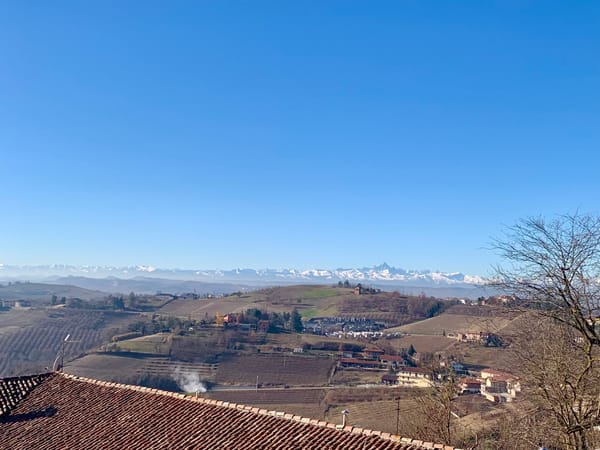
Though often compared to Tuscany, Piedmont surprises visitors with its Alpine landscape, royal past, and rich and varied food and wine culture.
Here are five things you (probably) didn’t know about this understated yet exceptional part of Italy.
Wondering how many days you need in Piedmont? Get itineraries for two days up to two weeks.
 Victoria Peel-Yates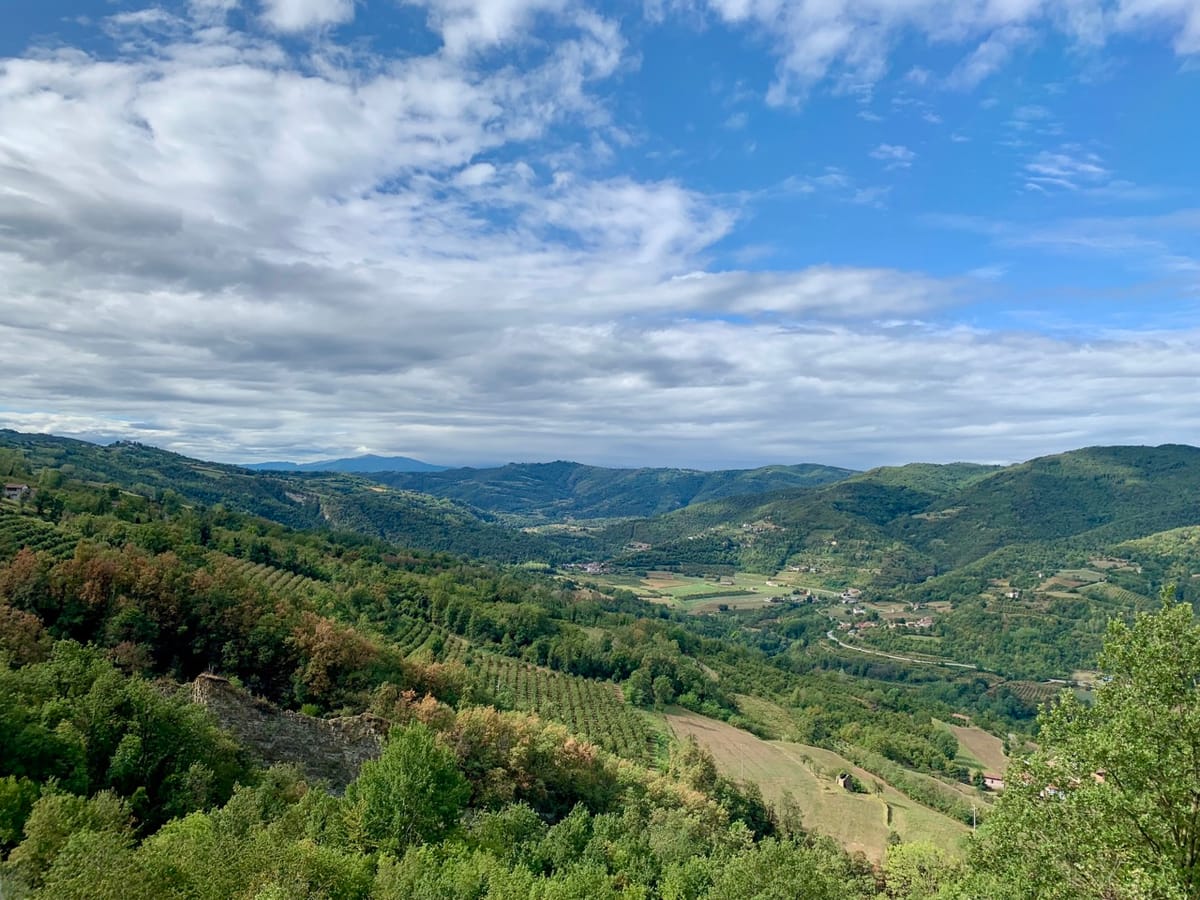
1. It’s Where Italians Go to Eat
Yes, Italy is famous for its incredible cuisine. But when you have the best pizza, pasta, and gelato on your doorstep, where do you go to eat?
Piedmont—Italy’s northwestern region where gastronomic excellence and world-class wines stem from the land, its people, and their traditions.
Just ask any Italian—the region is widely considered the country’s top foodie destination, and remains relatively under-the-radar compared to more famous regions.
Classic dishes to look out for include agnolotti al plin—tiny egg-pasta parcels filled with meat or vegetables and sealed with a pinch—vitello tonnato—thinly-sliced veal topped with tuna sauce—and polenta served with meat ragù (or porcini mushrooms if you’re vegetarian).
 Victoria Peel-Yates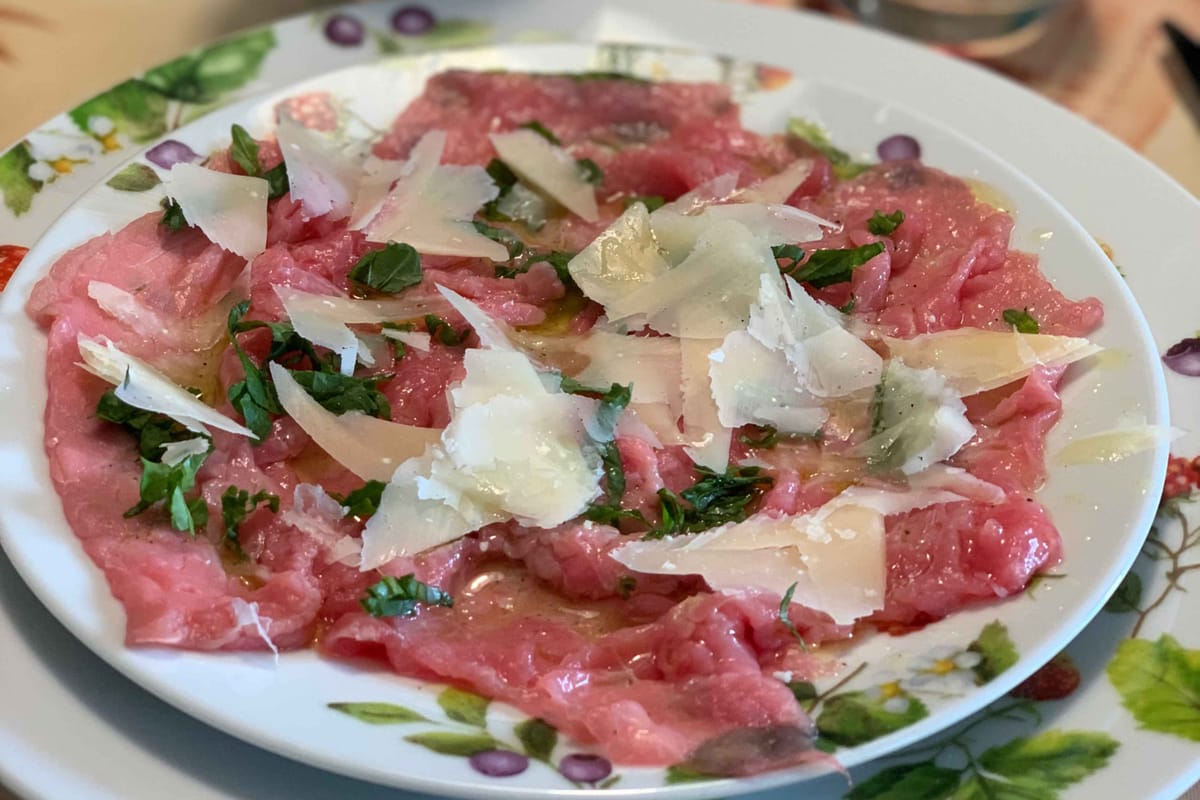
And of course, don’t forget the truffles. Speaking of which…
2. It’s Where White Truffles Are From
Tartufi are a big deal in Piedmont.
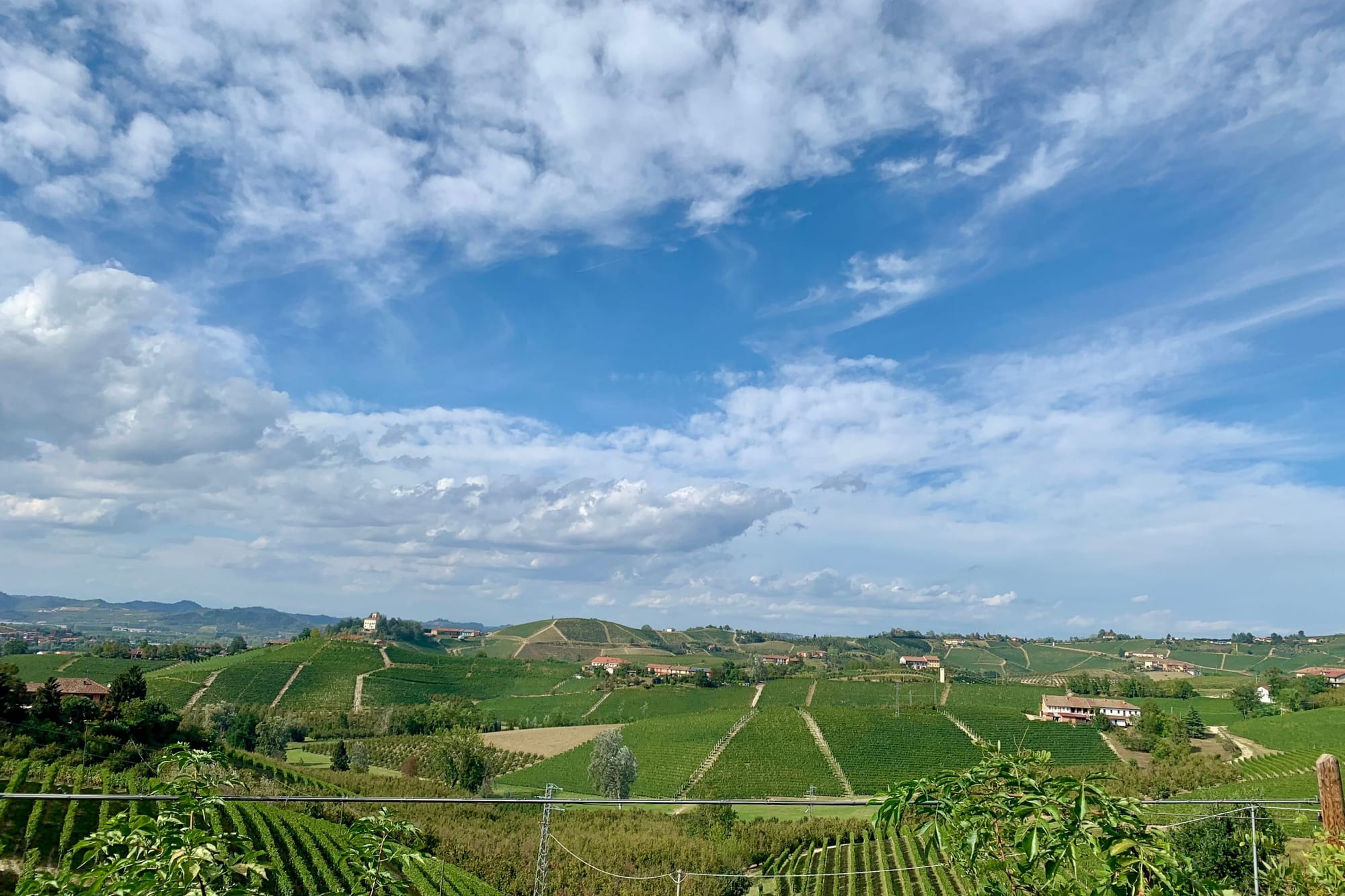
White truffles—known for their rarity and aroma—actually grow in several regions across Italy and southern Europe (including Croatia, Serbia, and Hungary), but the most famous of all is the Alba white truffle found in the hills of Langhe, Roero, and Monferrato.
Truffle experts claim that the same conditions that produce Piedmont’s wines are also what give the Alba truffle its particular scent and perfume, which many describe as more pungent and intense than those found elsewhere.
I’ve only tried the Alba ones, so I can’t compare—all I know is they’re delicious, and during the truffle fair—from October to December—the restaurants of Piedmont delight diners with truffle-topped everything—from pasta to ice cream.
 Victoria Peel-Yates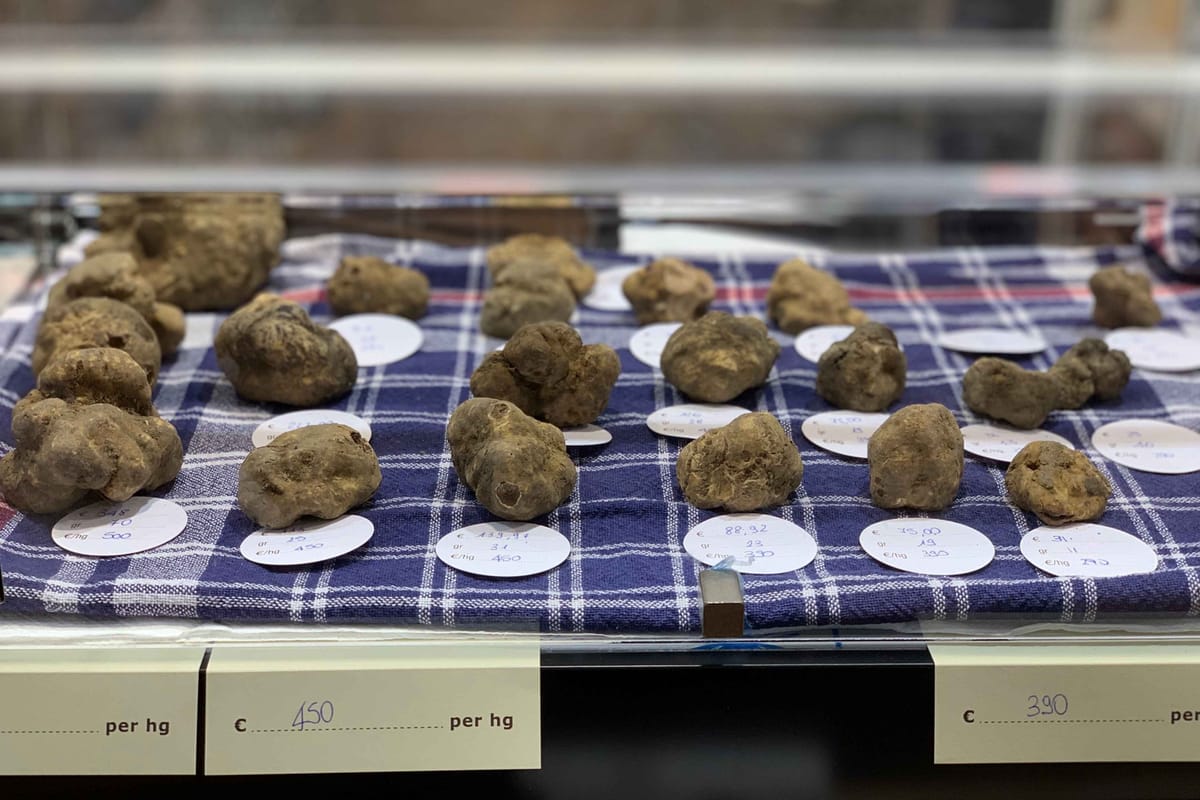
3. It’s the Birthplace of Aperitivo Italiano
You might not realise it, but if you’ve sipped a Negroni or an Aperol Spritz at sunset, you’ve taken part in the Piedmontese tradition of aperitivo.
This distinctly Italian take on happy hour originates in Turin, where modern vermouth was invented in the eighteenth century. Soon after, as Italy became industrialised and people started working nine-to-five, bars began serving free snacks to workers alongside their after-work vermouth.
The concept also draws on the Piedmontese farmers’ tradition of merenda sinoira—a “dinner-snack” of wine, cheese, and local sausages eaten on Sunday afternoons.
Ultimately, aperitivo is a Piedmontese expression of la dolce vita—a little treat Italians enjoy each evening to separate their working time from their free time.
Today, Turin’s elegant cafés, historic bars, and iconic porticos still make the perfect backdrop for indulging in the simple pleasure of this tradition.
Spending Valentine's Day in Turin? Here's everything you need to plan your perfect romantic weekend.
 Victoria Peel-Yates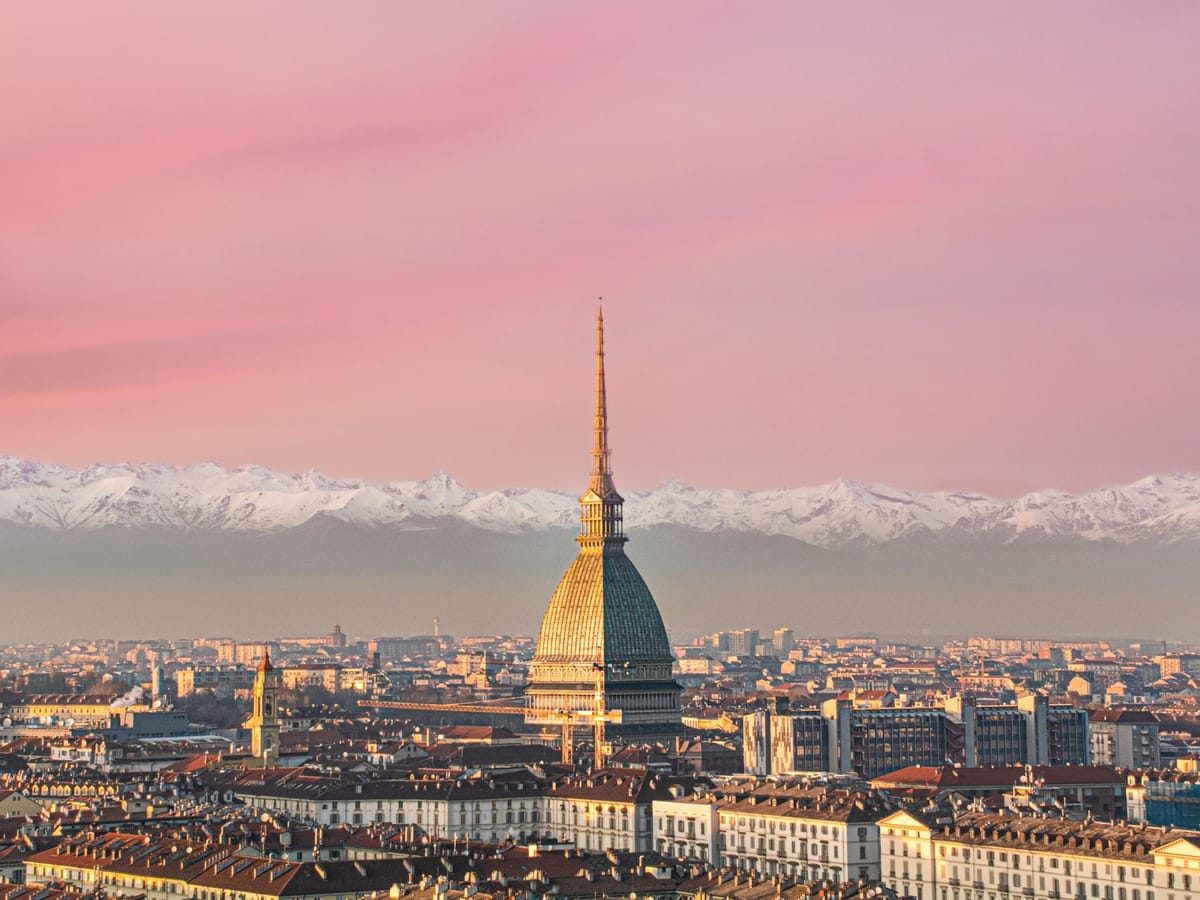
4. It’s Home to the King & Queen of Wines
For many people, Barolo and Barbaresco are their first contact with Piedmont—you might have picked up a bottle from a specialist wine shop in your area.
Until the mid-1800s, Barolo—named after the village it comes from in the Langhe hills near Alba—was a sweet wine. Towards the end of the nineteenth century, production of the modern version began—and its association with the Savoy dynasty earned it the catchy nickname “the wine of kings, the king of wines”.
Meanwhile, Barbaresco in its modern form was the innovation of Domizio Cavazza, an enologist who bought Barbaresco castle and made it his mission to improve the wine of the same name. Alongside Barolo, it became the emblematic Nebbiolo wine of the Langhe and was crowned the “queen of wines”.
Both wines pair beautifully with Piedmont’s cuisine—and are even used in dishes such as risotto al Barolo and brasato al Barolo (braised beef cooked in Barolo).
 Victoria Peel-Yates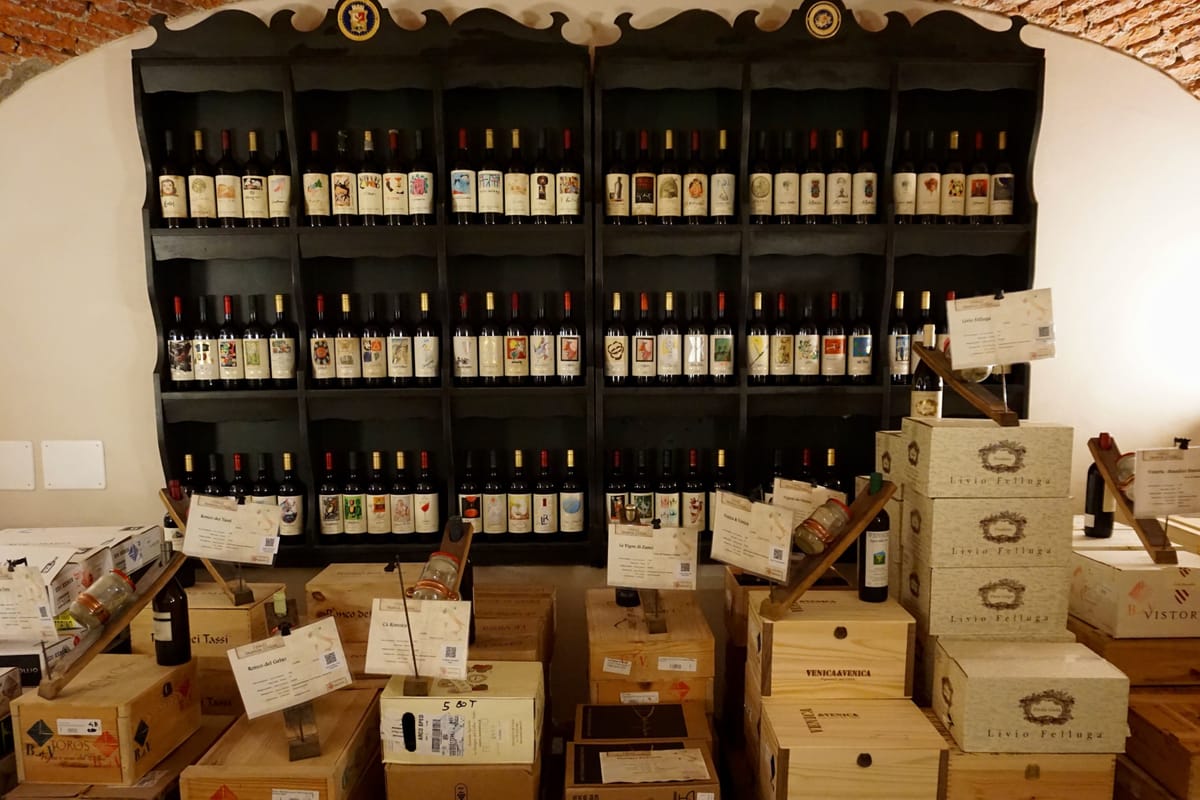
5. Piedmontese Is a Language, not a Dialect
Even if you speak Italian, you won’t understand Piedmontese. After eight years of visiting family in the region, I can pick up a few words but still can’t follow a conversation—much to their exasperation.
Piedmontese is one of roughly 30 language groups in Italy, with its own sub-dialects that vary across the region. It has shared roots with French, and is considered a language rather than a dialect as it has its own dictionary and literature.
With an estimated 700,000 to two million speakers, Piedmontese is surprisingly widely spoken. You’ll still hear it in markets, cafés, and family kitchens—although sadly, it’s dying out with the older generation.
Piedmont Will Show You a New Face of Italy
Piedmont may remain relatively unknown outside of food and wine nerdery circles, but it has shaped far more of Italian culture than most people realise.
Whether you come for the wine, truffles, or scenery, you’re bound to leave wanting more.
Wondering when to plan your trip? Here's what to expect in Piedmont at different times of year.
 Victoria Peel-Yates